

Today is my birthday and I’m shielding so, in the absence of a trip to the coast/coffee with a mate/ a pub lunch (if only), I hope you’ll humour me if I indulge in some birthday word play.
I’ve been thinking about typos recently. I have predictive text on my phone which is a good idea in theory, suggesting things it thinks I want to type next so I can click on my Chosen One and continue the sentence. The trouble is, sometimes I forget to click or forget to check, or both. I also have bad eyesight and may be wearing the wrong glasses of the 4 different possibilities, so people can get strange messages. The trouble is once you start using the wrong word, the programme will keep using it in that context so the chances of repeating the mistake are high. Here are some of my common ones: –
- I’m so dirty… (for sorry) Not good for a clergy wife
- I treherbert...(for remember) Why???! I have never deliberately typed treherbert in my life (who is he anyway?) but I often do now, thanks to Swiftkey
- I hope you have a lonely day (for lovely) Inappropriate – we’re all lonely enough at the moment
- Artichoke to the weekend! (for welcome) I have never knowingly mentioned artichokes on my phone ever. I have no particular interest in them. Swiftkey, it seems, does
- 6. The number 6 pops up randomly all over the place. Why? Usually I spot him but not always, This has resulted in some interesting conversations: – Got to go. Got a writing workshop 6 Aren’t you a bit late, it’s already gone 6? That 6 should have been an 8 6 Sorry? What time is that when it’s at home? Er, 8!! Don’t know why the 6 creeps in everywhere, uninvited! (Not saying any more just in case) 6
- tomollow (for tomorrow) as our daughter could never say it
- the interchangeable use of kitchen and chicken for the same reason
- Brilliant, isn’t it Mrs Horton?! which my 30 year old son used to say to his reception teacher every time he showed her his work. Still shouted by us all whenever he expresses pleasure in something he’s done
- A thousand pounds! From a hilarious sketch show on CBBC in the early 2000s called ‘Sorry I’ve Got No Head…’ .Randomly used at family gatherings whenever surprise at the cost of something is expressed
- I didn’t like to say After polite relatives who would never say what they thought even though they should have. Used today in our family sarcastically. E.g. I knew the curtain would catch fire but I didn’t like to say.
There is quite a bit or research to show that ‘playing’ with words can help children to become better writers and spellers. This is why I abandoned the weekly spelling test when I was a class teacher. Children mainly learned them for the test then instantly forgot them. Instead I gave them Spelling Journals and time each day to ‘play’ with the week’s spellings. We listed them, talked about any patterns or exceptions and then, with a sheet of prompts, felt pens, coloured stamps etc. they were free to experiment with them however they wanted to.
I also rewarded them evert time they used one of the weekly spellings correctly in their writing. It really worked. (I did test them at the end of term).
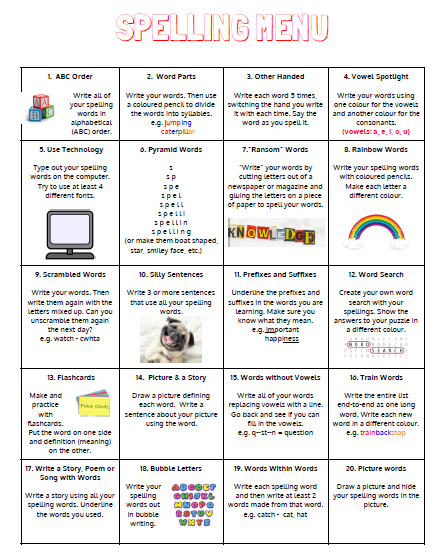
It is surely true of adults too. The more we play with words, the more we learn how to use them effectively. One of my favourite ploys when I’m writing is to make up compound words which help me describe things in exactly the way I want to. Here are a few: –
- Seabirds
on pipe cleaner legs turn heads and stare in lazy-slow light. - The
air has that seared-earth smell of summer, of timelessness - The
trees, imposing in summer, seem frail without leaves, pale branches
lifting-lazy, like tired limbs - Briefly she thinks of Hudson visiting in winter, mounting
the ramp, standing in wind-folded darkness with waves crashing on the rocks
below - Today
the light is naked, the trees bare-armed brown - It’s
that kind of small-house road, where people come out and chat, unlike the
big-house driveways and restraint she was brought up with
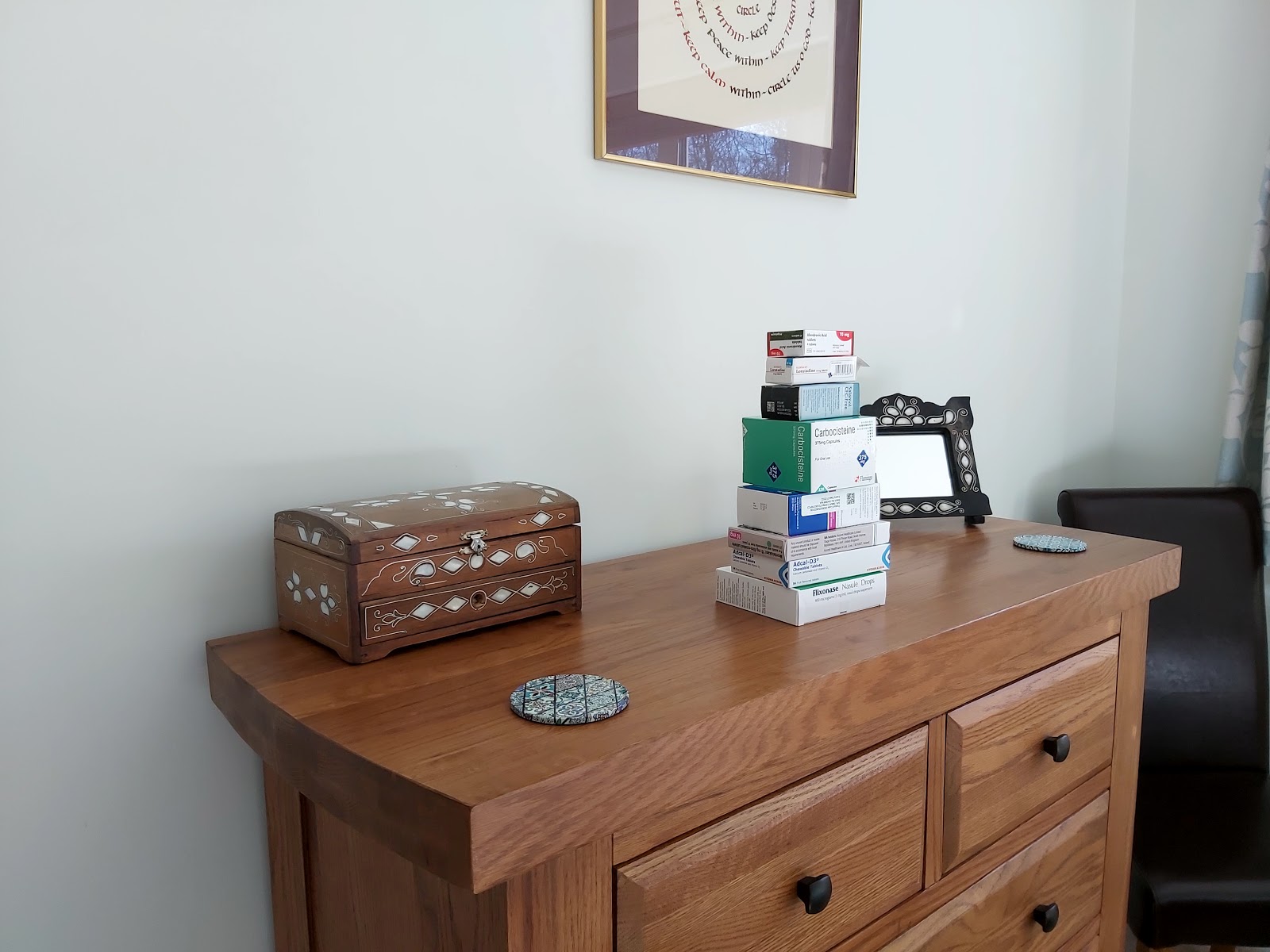
- Carbocisteine – an order of nuns committed to a carbon-free lifestyle
- Lansoprazole – a person who holidays in Lanzarote at least twice a year
- Adcal – a range of high calorie drinks designed to help put on weight
- Flutiform – A new exercise regime which involves a lot of puffing and blowing and results in a flute-like figure
- Montelukast – brand name for a custom designed cast iron toilet (Great hotel. There’s even a montlukast in the ensuite!)
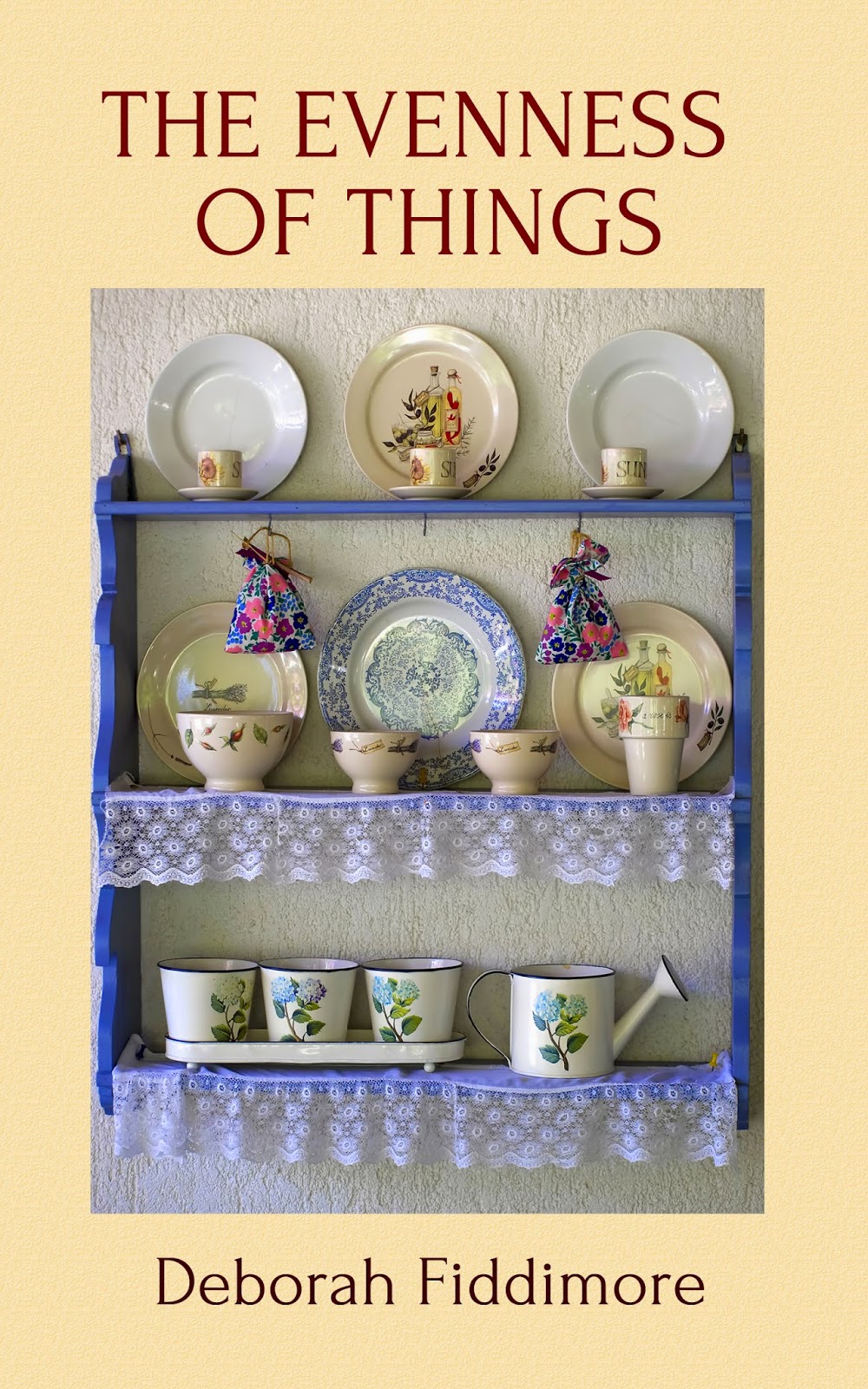
Click here to see the novella on amazon

