
Gloucestershire, I have discovered in the years I have lived here, is a place rich with writers and poets. I am currently studying some of these writers and poets and their influence on the local landscape and over the next few blogs I want to discuss one or two of these. I will begin with Laurie Lee. Below is a picture of his cottage in the Slad valley, a very beautiful part of Gloucestershire.
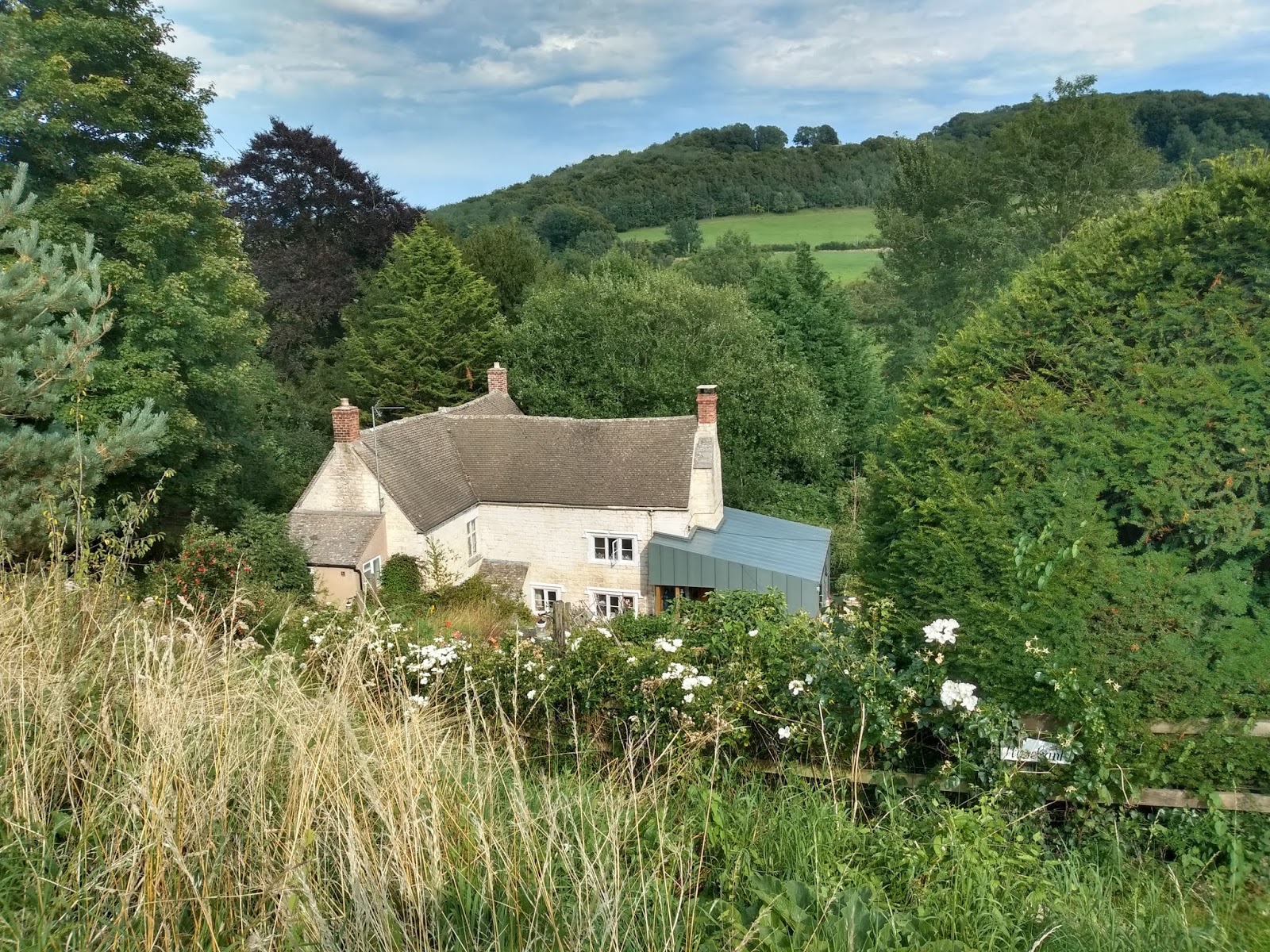
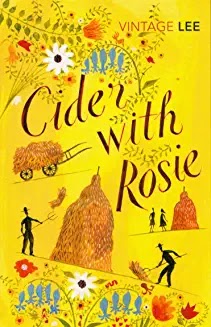
Laurie Lee died in May 1997, just three months before my family arrived in Gloucestershire but we have visited the Slad valley where his cottage is as well as his grave and his favourite pub, the Woolpack. The countryside around there is stunning so it isn’t surprising that it inspired Lee to write Cider with Rosie about his childhood in the valley.
But Laurie Lee also wrote, As I walked out one Midsummer morning, about his life as a young man and his trip to Spain, and A moment of War, about his involvement in the Spanish Civil war. He also wrote countless poems and three plays – Peasants’ Priest about the Peasants’ Revolt, Black Saturday, Red Sunday – again about the Spanish Civil war and I Call me Adam – about the mutiny on the ship, the Bounty.
His other books, poems and plays are much less well known, in fact, Lee himself felt they were not given nearly as much attention.
I would like to finish on an interesting little story from a less well known book of his, ‘Village Christmas and other notes on the English year. It is about a poet called Paul Potts who lived in Chelsea, London in the days before World War II
Lee describes him as, “a tall, stooping figure…(who) caused me no offence. But thinking there were too many poets around, I took a shot at him one day with an airgun. The pellet hit him in the foot, he leapt in the air, turned round and berated some innocent old woman behind him, and left immediately for the Hebrides.” (p62)
The lesson here is perhaps we should try not be too unassuming in our writing. Maybe we should try to cause offence?

