
 When I was younger, I worked in Rwanda for a few months. It
was a transformative experience that has permanently coloured my view of the
world.
The memory of African light has never left me. The red of
the earth and the green of hill upon hill of palm trees (It’s not called Le
Pays des Mille Collines for nothing!). The number of varieties and the variety
of flavours of bananas in an otherwise limited diet. The wonder of seeing
animals in the wild I’d only ever encountered in zoos. Swimming in a lake instead
of taking a bath because of water restrictions.
Life at a slower pace because the altitude sapped energy.
Being in a minority because of my skin colour. Feeling European for the first
time. Attitudes of hiding away the disabled. A family member sleeping under the
hospital bed to take care of the patient’s personal needs.
Now my eldest is spending some time in America and I am hoping
that it will give him a similarly new perspective on life.
But we don’t need to fly thousands of miles to discover
another culture and learn from it because we can read about it.
In recent years, I’ve been discovering much about Japan. Novels
sparked my first interest: Memoirs of a Geisha, Hotel on the Corner of Bitter
and Sweet. At work we use a Model of Occupational Therapy called Kawa, based on
seeing patients and their circumstances like the constituents of a river. I’ve
also come across other Japanese concepts through different interests. Here are
some of them:
Shinrin-yoku or forest bathing. Research indicates the
psychological benefits of spending time in green spaces, especially among
trees. Japanese medicine uses it in preventative healthcare.
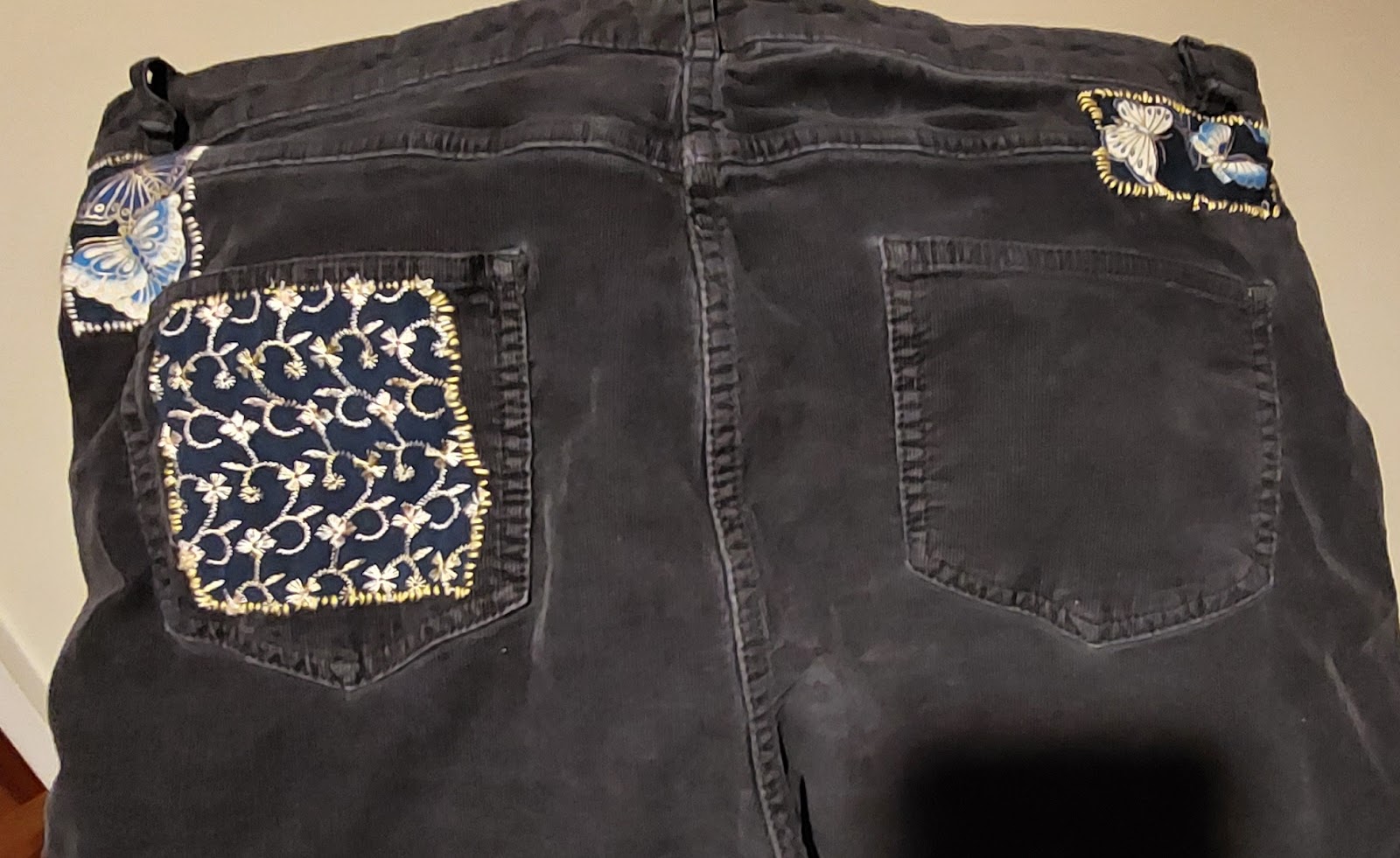
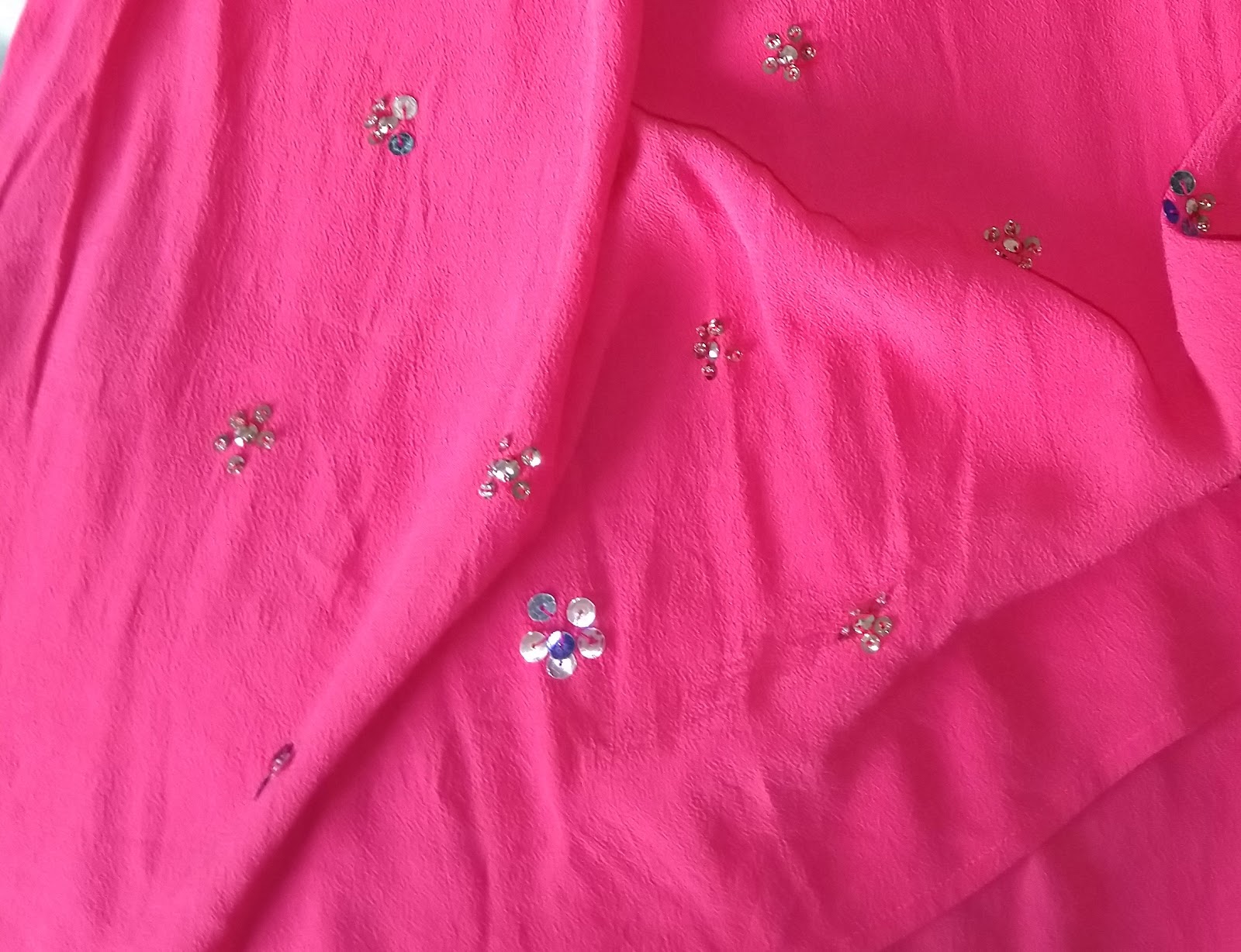
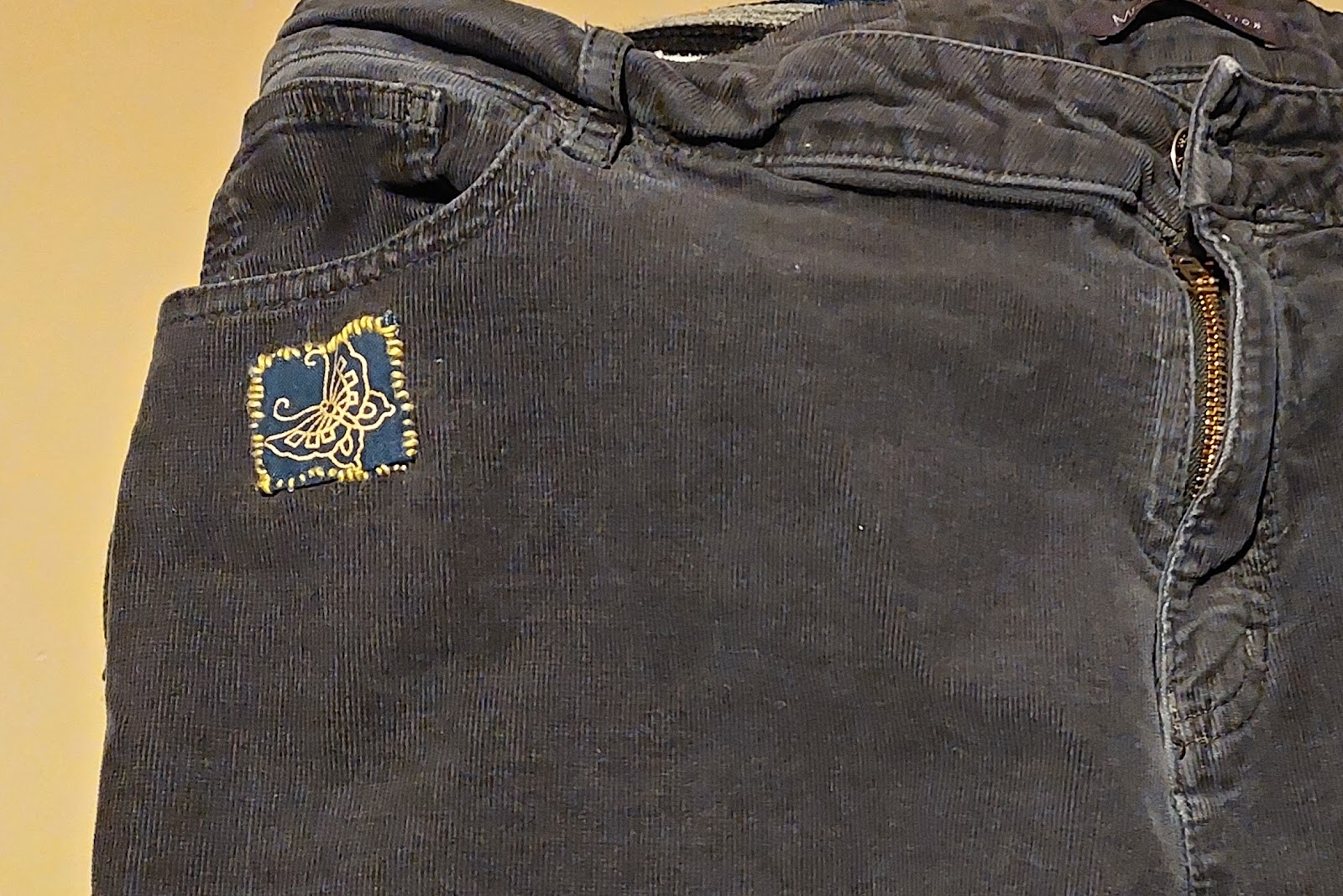
Sashiko and Boro: These sewing terms often go together.
Sashiko is an embroidery running stitch used to mend and strengthen worn
fabrics. Boro are the textile scraps used patch or reform a garment with sashiko.
Born out of necessity, these are also highly decorative. In English, we use
these techniques in visible mending.
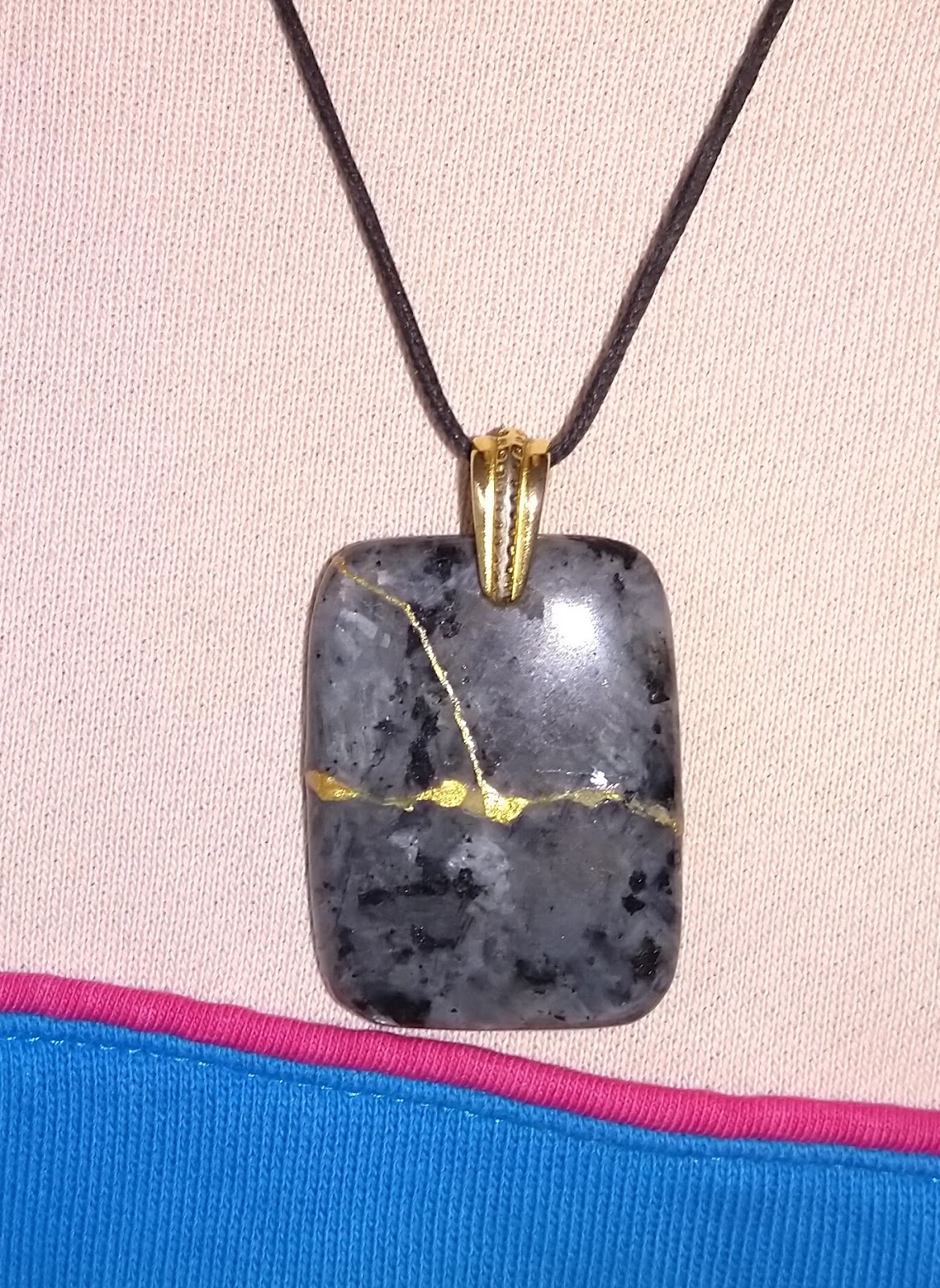
where broken ceramics are fixed with a gold glue so that their history becomes
part of and enhances their beauty.
Raku: A firing technique where red-hot pottery is
enclosed in a container with combustible materials and then plunged into cold
water, producing unpredictable patterns and crackling in the glaze. The word
itself translates as ‘happiness in the accident’.
 What’s exciting to
me is not just the techniques I can use (and I have done with several) but the philosophy
behind them that stretches my thinking in new directions and sparks new ideas
for writing.
How apt is the
concept of mottonai in today’s world with the urgent need to be more environmentally
friendly? What wonderful metaphors visible mending and kintsugi provide for the
Christian message!
What are the different
cultures you’ve been exposed to? How have they expanded your world view and
developed your faith? I’d love to hear.
Liz Manning fits writing around being an Occupational
Therapist, BB captain, wife, and mum to two adults. Or perhaps it’s the other
way round. She blogs regularly at https://thestufflifeismadeofblog.wordpress.com/,
has two WIPs and more ideas in the pipeline.

