
There’s a story in the Old Testament of Moses standing on a
hilltop as the Israelite army went into battle against the Amalekites. While
watching from a distance might have been an eminently sensible thing to do,
Moses didn’t see this as an opportunity to settle down with a flask of tea and
the latest edition of the Jericho Times. Instead, as the Israelites
entered the fray, Moses raised his arms towards heaven.
This was great news for the Israelites. I’d like to say they
were winning hands-down … but in fact, the opposite was true. As long as Moses
kept his arms in the air, they were stronger than the enemy. However, as the
day progressed, Moses – unsurprisingly – became tired. As his arms started to
droop, the Amalekites rallied.
Fortunately, on this occasion Moses wasn’t alone at the top
of the mountain. Aaron and Hur stood either side of him and kept his hands
raised until the Israelites prevailed over their enemy.

We often focus on the heroes and heroines of our favourite
stories and miss the contribution of a secondary character. Would Frodo even have
got to Mordor without Sam? Would Katniss Everdeen have been less feisty without
Peeta to squabble with? And we all know what would have happened to Wilbur if
Charlotte hadn’t been around (although at least she gets a nod in the book’s
title).
So, who are the important secondary characters in your own
work? What difference do they make to the life of your chief protagonist? Are
they there simply to make the hero stand out, or are they well fleshed-out
enough to be believable in their own right? If you’re writing non-fiction, what
secondary themes do you need to support your main points? How do they add depth
and breadth to what you’re writing?
Of course, the story of Moses, Aaron and Hur also reminds us
of the importance of having those around us who can encourage us when we’re
struggling. As Christians we’re called to bear one another’s burdens, and that
includes the writerly kind. Do we have those we can reach out to for support,
and do we look for opportunities to offer that same support to others?
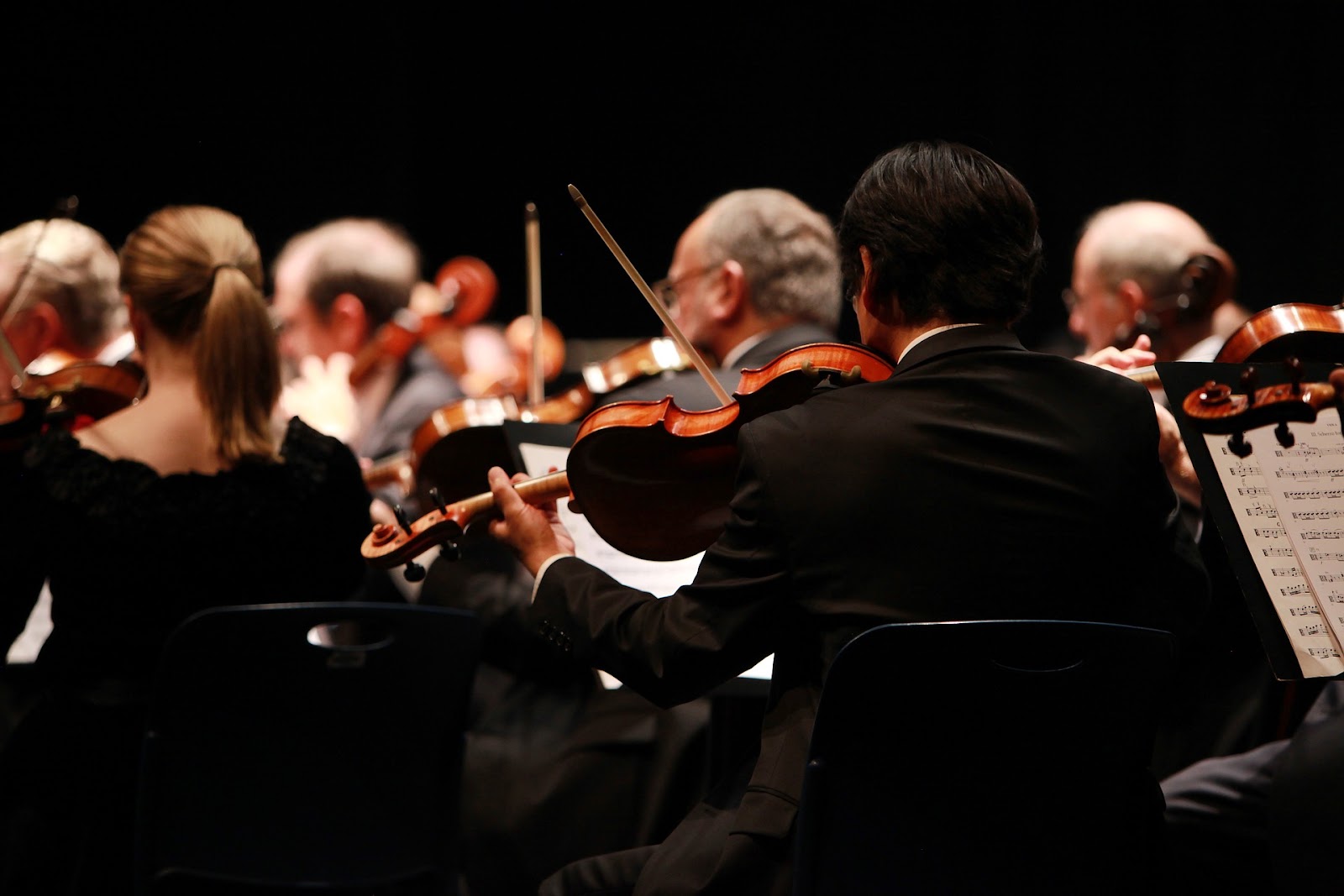
After all, playing second fiddle may not seem especially
glamorous, but when done well it always enhances the overall sound.
Over to you – what role do your secondary characters play?
Is there another writer to whom you can offer encouragement? Let me know your
thoughts in the comments.

Fiona Lloyd is Chair of the Association of
Christian Writers and writes regularly for Together magazine. Her first novel,
The Diary of a (trying
to be holy) Mum, was published by Instant Apostle in January
2018. Fiona also works for Christians Against Poverty.
Twitter: @FionaJLloyd &
@FionaLloyd16

