
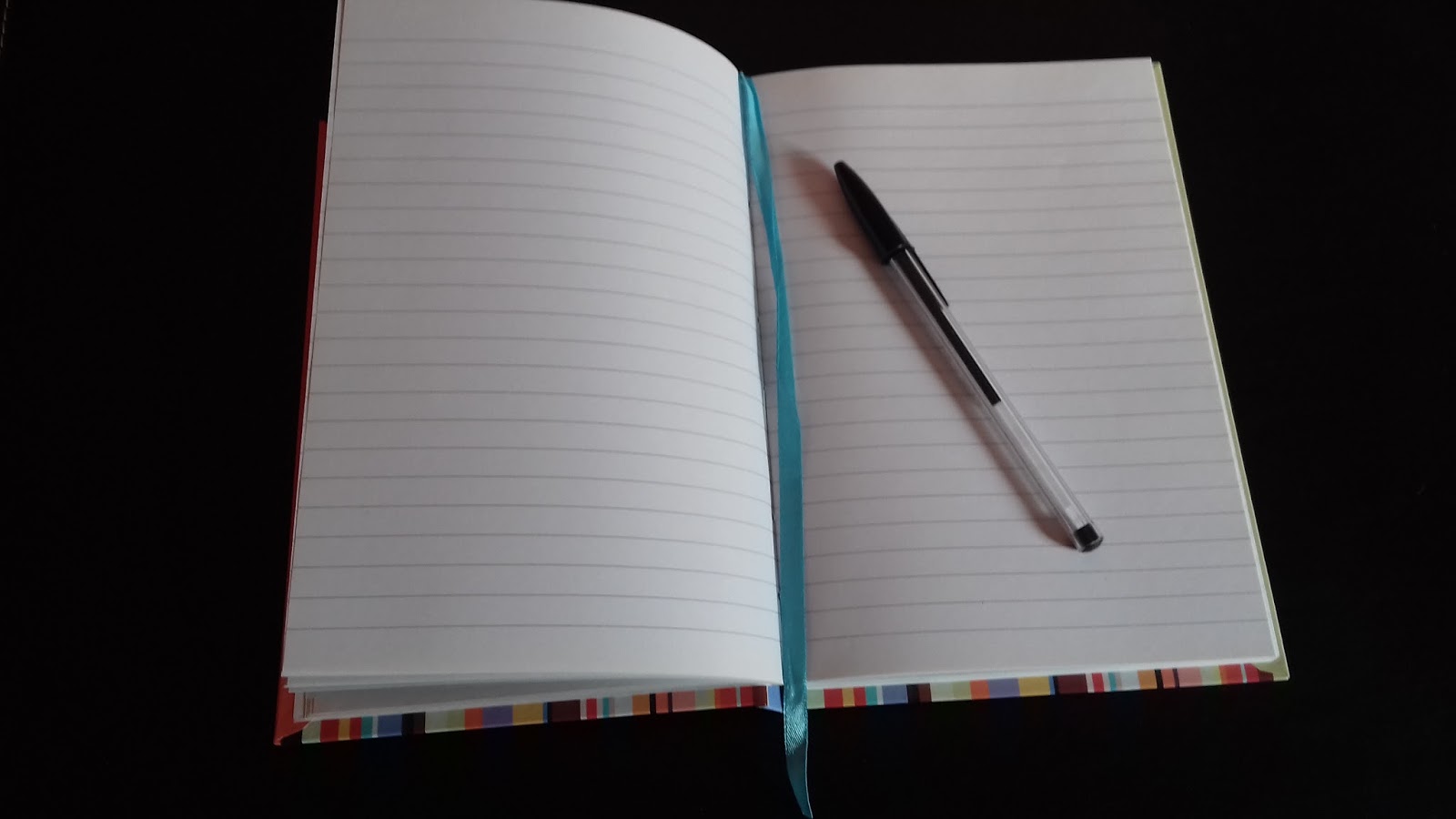
Anyone else recall the thrill of being given a new exercise book at
school? All those neatly-lined pages – hopefully with margins already accurately
marked – wrapped in a smooth, colourful cover. To me, they spoke of a fresh start,
unencumbered by past mistakes aggressively circled in red pen. A new book bristled
with possibilities, and I always felt slightly cheated at the beginning of the
academic year if our teacher insisted we complete last year’s book before
starting a different one.
fault-free, hoping that the red pen marks would come in the form of ticks
rather than crosses. Sooner or later, though, my attempts at beautiful
handwriting reverted to my usual spider-scrawl. Careless errors resulted in
ugly crossings-out and pages plastered with Tippex, while covers became
dog-eared through being pulled in and out of my bag. My perfectionist streak
was – as usual – disappointed.
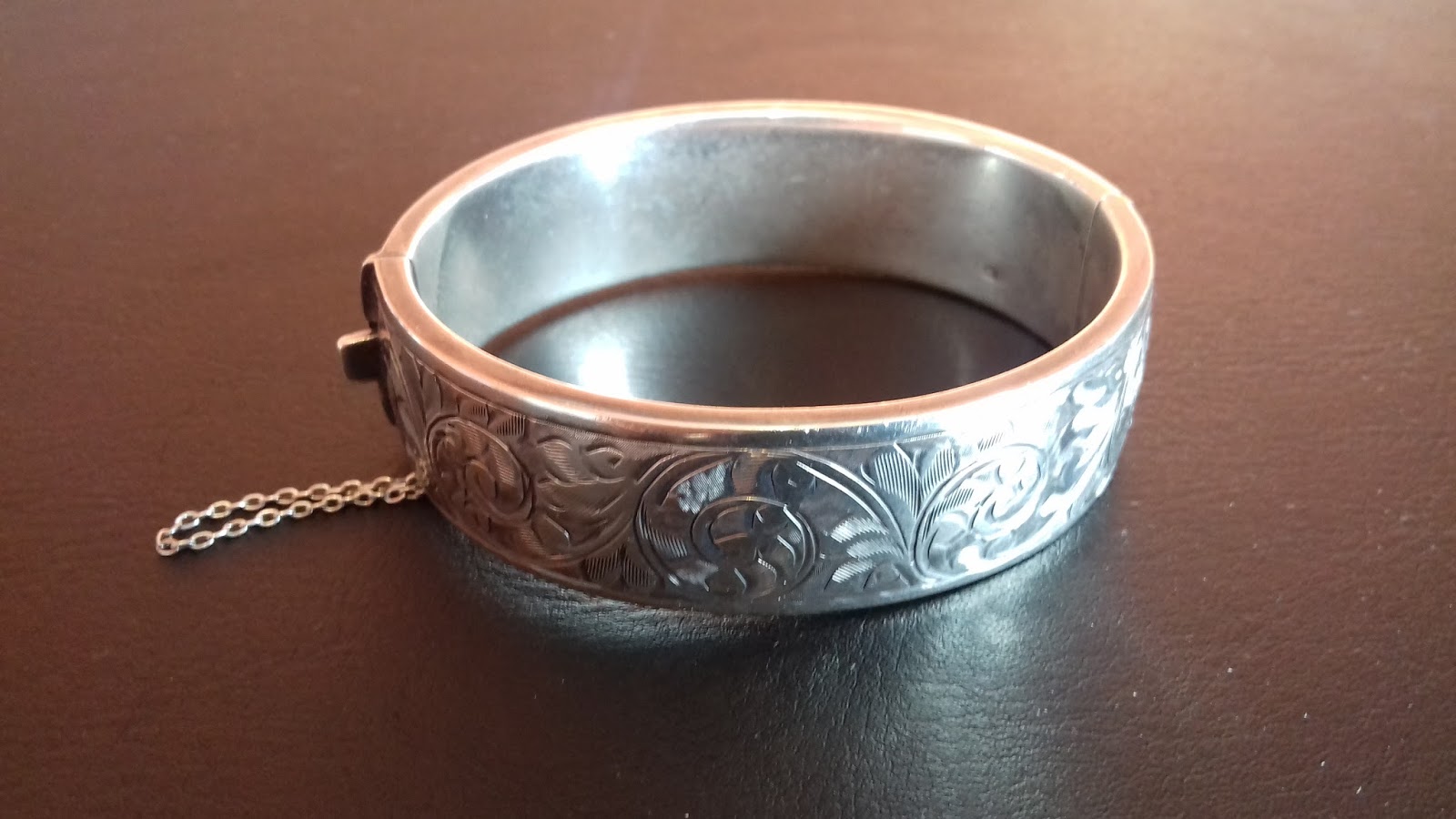
As I write this, I’m wearing a silver bangle that used to belong to my
mother. It’s a precious link to my memories of her: I suspect she bought it
before I was born, as I can’t remember her ever not having had it. From a
distance, it looks like an elegant, polished piece of jewellery. However, closer
inspection shows an obvious dent in the engraving, as well as minute scratches
around the rim. It’s possible a skilled jeweller could do something about the
marks, but I prefer to keep the flaws: for me, this is part of its charm. The
fact that it’s damaged reminds me it has been worn, and connects it to a real
person.
perfect, they come across as unrealistic and probably a bit boring. But if we
give our protagonists (and villains) a judicious sprinkling of faults as well
as good qualities, they become people we want to engage with. Our readers are
more likely to be drawn in to the story (even with non-fiction) when the people
we write about are well-rounded.
biblical characters. Almost without exception, the reason we gave for choosing
a particular person was because we could identify with their failings. We tend
to be inspired by those who are honest about their weaknesses, because their
struggles lend hope to our own lives. Rather than falling into the trap of
thinking we have to be perfect before we approach God, we need to remember that
he accepts and delights in us, warts and all.
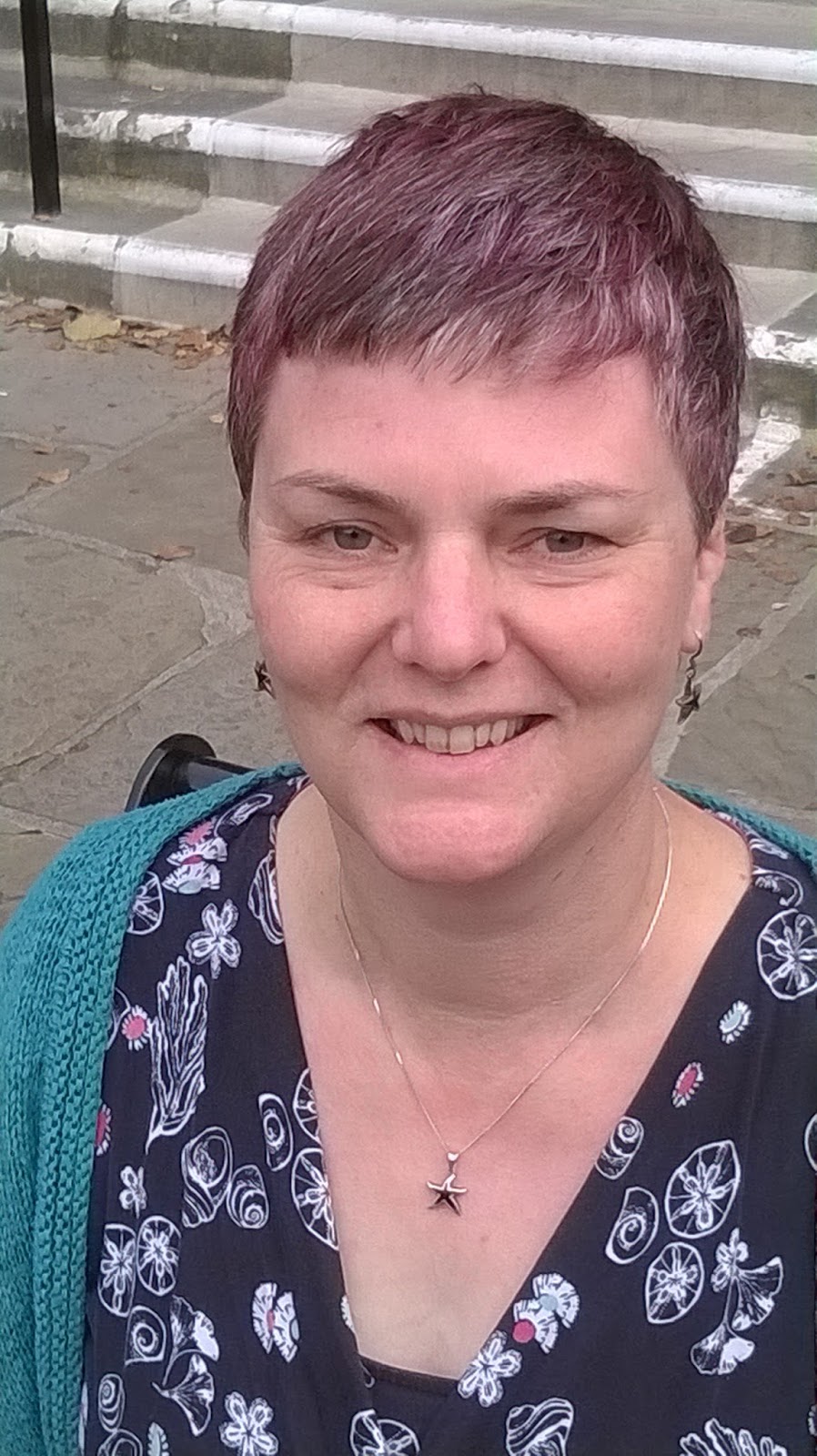
Fiona
Lloyd
works part-time as a music teacher, and serves on the worship leading team at
her local church. Fiona self-published a violin tutor book in 2013 and blogs at
www.fjlloyd.wordpress.com. You can find her
on Twitter at @FionaJLloyd. Fiona is vice-chair of ACW and is married with
three grown-up children.

