
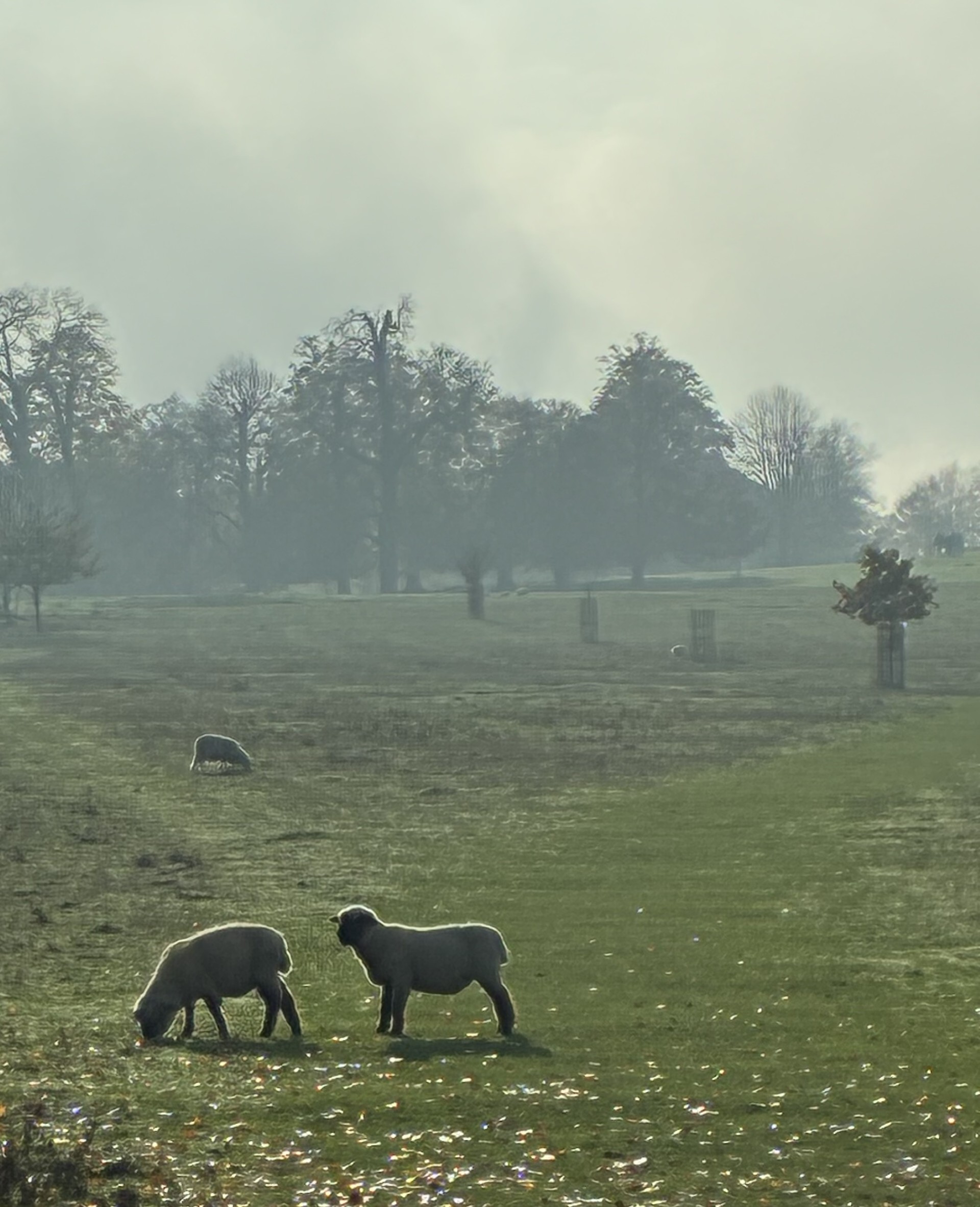
It was Saturday morning, a day off with an opportunity to enjoy the autumn colours but, looking out of the window I was greeted by fog. It was a risk, but we decided to set off to a National Trust property not too far away, in the hope that the sun would triumph. It was surprising how many drivers were travelling at speed in poor visibility with no lights on!
We arrived safely as the fog was lifting, the sun was pushing through and revealing the clear blue skies above the fog, revealing some beautiful autumn scenes. We walked around the grounds in the surprisingly strong winter sun and felt refreshed by creation and some good coffee in the café.
It got me thinking about fog and writing. I’m sure you are are familiar with the use of a foggy scene in a play or story, it creates a certain mood, hints at things unseen, and sets the atmosphere. A misty scene is a helpful tool, and there is skill in knowing what to reveal and what to keep hidden. What uses have you made of fog in your writing?
I’ve heard the term brain fog used by writers (and others) to describe an inability to think clearly. The sense of a barrier in the road to progress. It is wise when in a fog to proceed with caution and slow down. It can be frustrating when you are part way through a piece of writing and suddenly there seems to be no clarity in which way to go, self doubt easily creeps in. Sometimes a break is all you need, some fresh air to bring a sense of the sun breaking through so to speak. At other times it takes longer.
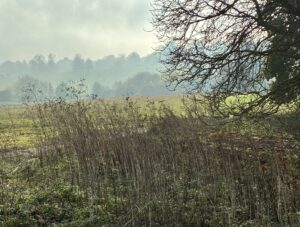
As I enjoyed the autumn colours in that day, I found the views were actually enhanced by a lingering, low lying mist. It added a certain something to the scene. A sense of mystery and unknown. In the book of 1 Corinthians 13 v 12 it states –
‘Now all we can see of God is like a cloudy picture in a mirror. Later we will see him face to face. We don’t know everything, but then we will, just as God completely understands us. CEV
Life and mystery go together. There are many things I don’t understand. I often have to give things to God and trust that He who made everything can be trusted to reveal what is necessary. Whilst it can be difficult when things don’t seem to make sense, I find mystery a helpful concept as it reminds me that God’s understanding is so much greater than mine. It is a relief to know that to the author of creation my little mystery makes perfect sense.
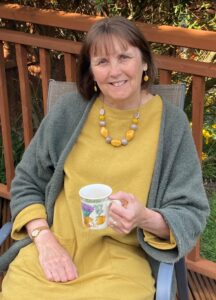
Meryl McKean loves writing devotionals and poems and has had a few articles published over the years as well as using her writing in her work. Recently she was encouraged being placed 3rd in an ACW competition. She wants her writing to be a tool which helps others draw closer to God. She is married to Andy and lives in Bedford where she loves exploring the countryside with her camera in hand. Her day job as a member of her church staff leadership team is full of challenges and opportunities.

