Character
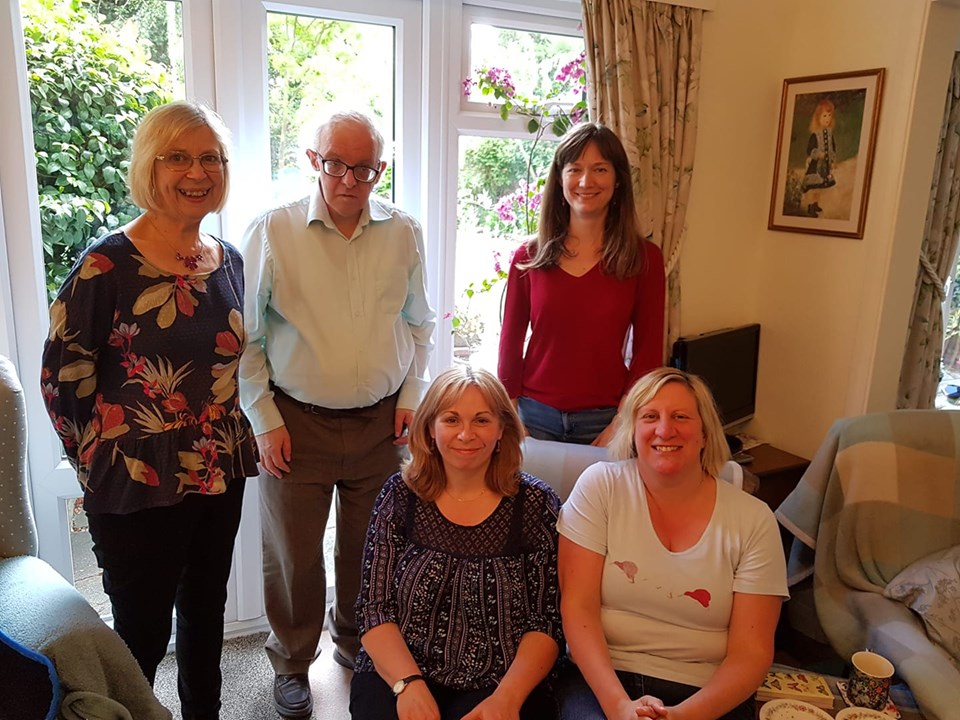
Group: developing each other’s character(s)
I’ve
always said I’d rather read fiction with great characters and a weak plot than something
with a tightly-woven plot and characters I don’t like. Of course, it’s when
strong plots and characters combine that we really get something which is a joy
to read. Still, we’re much more likely to be able to respond to the emotions
and responses of characters than to their situations. I’ve never had to flee
supernatural beings or destroy a ring to save the world, like Frodo in the Lord
of the Rings. However, I can identify with drawing strength from close friends,
worrying about decisions and grieving the unexpected loss of a friend, just as
he does. If your reader can identify with a character and their development,
this will draw them through the story.
The experts agree. In ‘The Writer’s Journey’,
Christopher Vogler says that the hero is often the character who ‘…learns or
grows the most in the course of the story’. Stephen King’s memoir, On Writing, discusses
how, ‘…the best stories always end up being about the people rather than the
event…’ A good story should raise a question: How will she overcome that? Will
he escape the monster? Who will get together? Answering it effectively will
only happen if the character changes enough to deal with and impact events in a
meaningful way.
 How can an author do this? If a character
is going to develop, then they can’t be perfect to start with. They must have
faults which they will learn to overcome as the story unfolds. Secondary
characters often help with this, shining a light on behaviour that the main
character might be oblivious to. There has to be a clear motivation to change
as well, whether that is defeating an ancient evil or finding the perfect
partner. This is where character drives plot and suddenly you have a story! In
our own lives, we should consider who our ‘supporting characters’ are and
if/how we allow them to shine light on our character. Do we also do the same
for others?
The Bible also uses examples of character
to encourage us. From Sunday morning sermons to RE lessons, much of our Bible learning
is based on stories. We can draw inspiration from ordinary people whose
characters were transformed by their relationship with an extraordinary God. Both
the accounts of historical figures and the parables enable us to think ‘I’ve
felt like that’ and to therefore also consider ‘I could react like that’. The
prodigal son speaks to us about a character who has made mistakes, something we
can all identify with. Yet he also comes home and that forces us to wonder if
we too could ask forgiveness, could change our ways, could live in hope.
the author of our faith, are we alert to where He is trying to shape our
character?
in Pen to Print’s 2018 Book Challenge with her first novel, A Silent Song. She
manages a behaviour recovery provision for primary children and writes for
Write On! magazine, the second edition of which is out next month.