

Do you want to write what publishers love? Then writing series fiction may be for you. Publishers like series of novels, because if readers enjoy your first book, then they’re more likely to buy a sequel with familiar characters and setting than a new stand-alone novel. There’s a bonus for writers too: some of your work is done, with a setting and characters already to hand.
But beware the “law of diminishing returns”! Too many series go downhill, trotting out the same tired story, with a few tweaks, until we’re bored with it. Those with young children may know the Beast Quest and Rainbow Magic series, each with over a hundred titles, but with carbon-copy storylines.
Another challenge is: can you assume your reader has read the earlier book(s)? If you assume so (and they haven’t), your reader may lose interest with poorly introduced characters and unexplained backstory. If you assume not (and they have), you risk boring your loyal reader with repeating yourself.
The answer to walking this tightrope depends on your series. Is it one long story,broken up into different volumes, like The Lord of the Rings? Or are they stand-alone novels, with separate stories, but recurring main characters or setting?
I like the analogy of the flights of stairs in a house. Picture our readers starting with us on the ground floor, and our story takes them up one flight to the upstairs. [Is that why thefloors in a house are sometimes called “storeys”?!]
A trilogy like The Lord of the Rings takes us, over three volumes, from the ground floor straight up to the third, in one long staircase, with hardly any pause for breath. Series like Beast Quest and Rainbow Magic start with a similar situation in each story, so it’s like climbing from the ground floor to the first, over and over again, on slightly differingstaircases.
With other series, are there any changes for the main characters or setting between one book and the next – a new ally, an enemy defeated, an injury, etc.? If our series includeschange, character development and story arcs, then the second book can launch off from the end of the first. The sequels are like climbing from the first floor to the second, and from the second to the third. Each book ends with reaching a landing, where we pause before ascending the next stor(e)y.
A story between storeys?
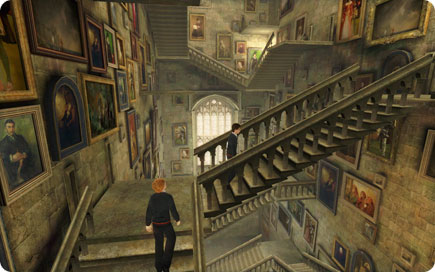
Can I make a plea to my fellow series fiction writers? Please don’t end a book with acliff-hanger or twist, to try to make us buy the next volume. You’re denying your reader a satisfying conclusion and resolution to your story in that book. I hate that. I assure my readers that I will never do that to you. My Destiny series follows on from each other in time, with similar main characters and setting, but resolves properly at the end of each novel. I hope that (like me) you pause for breath, satisfied and content, before embarking on the next flight of stairs.

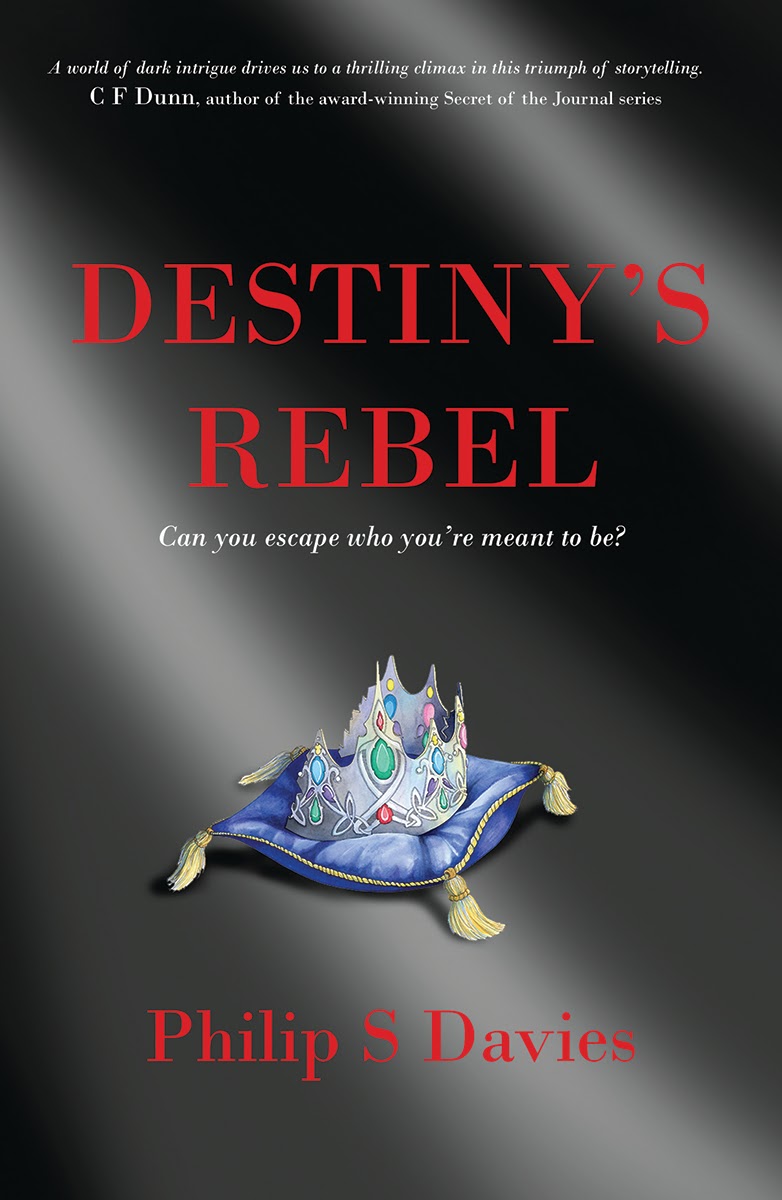
Philip S Davies writes the Teenage/Young Adult fantasy adventure novels “Destiny’s Rebel”and “Destiny’s Revenge” (releasing on 10th June 2017).
Originally written by Wendy H. Jones

