
Lots of activities either begin or restart in September as the autumn term marks the beginning of the academic year.
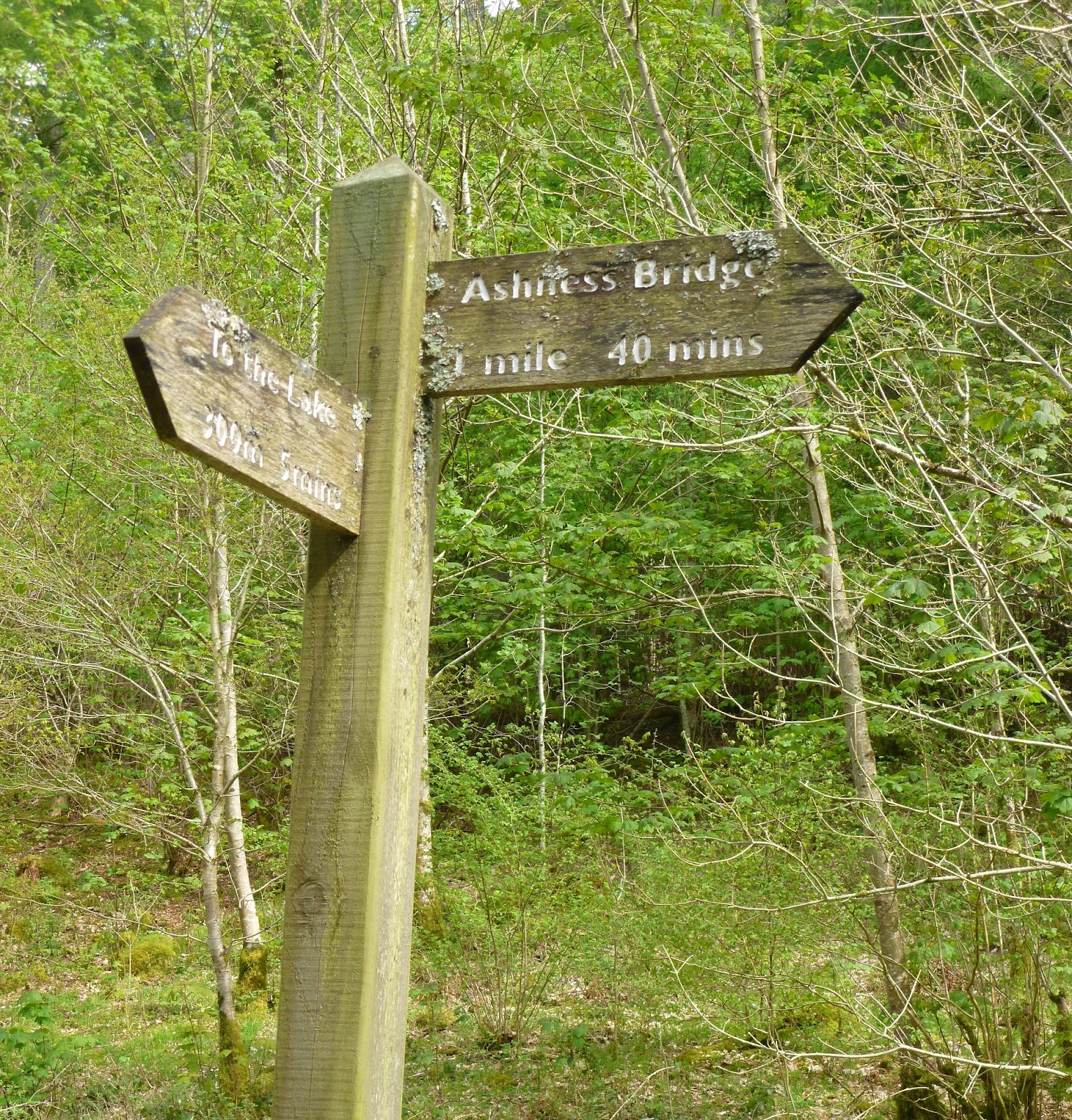 |
| A sign at a starting point for many walks |
There are some well-known sayings about beginnings. ’Start
as you mean to go on.’ ‘Well begun is half done.’ A German one is, ‘Alle Anfang
ist schwer’, which could be paraphrased, ‘It is always difficult to start
something new.’
Two books in the Bible have the opening words: ‘In the
beginning’. I wonder how many people in the street would be aware of this.
Indeed, how many people in some of our Churches would know which they are?
With writing it is often difficult to know where to begin a
story or how to begin a piece of factual writing. I have heard the advice that
most first drafts of stories are better if the beginning is removed!
Perhaps there is too much background information or
description. Some action may be needed to grab the reader’s attention on the
first page. The beginning is perhaps a place to indicate the genre of the work.
‘Once upon a time’ is associated with fairy stories, for example.
Beginning any new work can be challenging. It is
essential to be prepared to learn new skills. These will save time and effort
in the long run. One new skill I have learned recently was for some new roles I have taken on; in corresponding
with a group the use of an email list is more efficient and hopefully less
error-prone than typing names every time.
As a teenager I often found it difficult to begin to
write an English composition. Mum had studied English literature in the Sixth
Form and had some good advice, which I was the wrong age to appreciate. She
always suggested making a plan – I never did! Choosing a title was another
problem for me, usually after I had finished writing. Mum’s suggestions were
good, but I had a strict rule that it had to be ‘all my own work’.
Now when I write a blog post I have a rough idea in
mind, but I don’t make a plan. New ideas come to me as I write. Word-processing
makes it easy to move paragraphs around to improve the way the piece hangs
together. I do the same thing in long emails.
Beginning well is only one aspect of writing. Knowing
when something is finished can also be a challenge. Does the first draft need
to be revised? Is the end a suitable conclusion to the piece? Would it have
been better to stop sooner, perhaps to avoid unnecessary explanations of things
the readers could have deduced for themselves?
When a piece is finished may be the time to decide what to do with it, unless it has been written with a particular readership or
challenge in mind. This one, which began as a challenge from Cumbria Christian
Writers, is being used as a blog post on the ACW More than Writers’ blog for
which I am a reserve blogger.
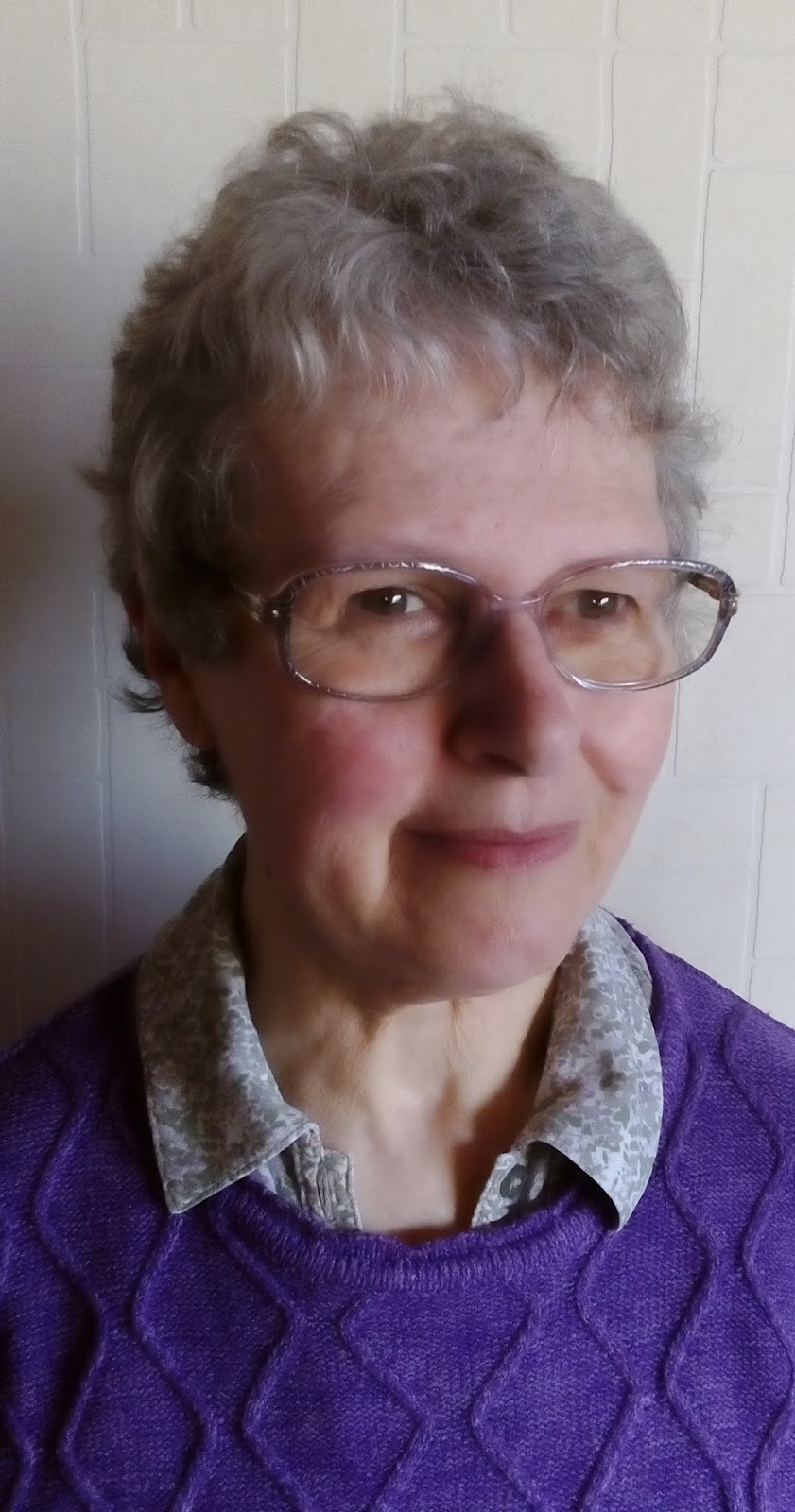
Susan always wanted to be a writer. In 2012 she revived her interest in writing with a blogging project to collect the kinds of sayings, which were much used in her childhood.
Susan experiments with factual writing, fiction, humour and poetry. She does not yet have a book to her name. Her interests include words, languages, music, nature study and gardening She has experience of the world of work, being a stay-at-home mum and an empty-nester. She is active in her local community and Church. She and her husband live in
Follow her on X (ex Twitter) https://twitter.com/suesconsideredt

