
By Rosemary Johnson
The ACW Writing for
Children Competition finished on Monday 30, September. Seventy-three members and non-members entered. A big thank you to all of you. You will nowbe sitting
seats waiting for the results of the judging.
As is usual with our comps, we have a very strong field. On Tuesday (8 October) Nikki Salt wrote about
discerning which children’s authors will stand the test of time and which
won’t.
Children Competition finished on Monday 30, September. Seventy-three members and non-members entered. A big thank you to all of you. You will now
seats waiting for the results of the judging.
As is usual with our comps, we have a very strong field. On Tuesday (8 October) Nikki Salt wrote about
discerning which children’s authors will stand the test of time and which
won’t.
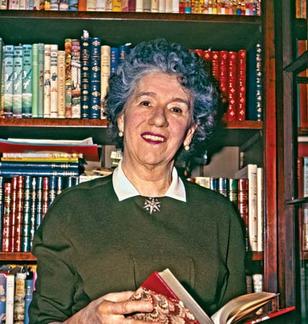 |
| By Source, Fair use, https://en.wikipedia.org/w/index.php?curid=35425227 |
The BBC did not rate the author whose books I read
compulsively during my primary school years.
The BBC banned all her stories and plays from the air for thirty years
because they were lacking in “literary value” and “such
copies worldwide. She is the fourth most
translated of all authors and the most translated children’s author. I’m writing
The language Enid Blyton uses is old fashioned –
“Smashing!”, “Jolly Decent” –
the literary world object to, but children understand that this is how children
spoke in bygone days. Reading Enid
Blyton’s stories aloud to children and grandchildren, I have found no problem
with her use of language, which is one of the greatest compliments I can pay
any author. (I would’ve found out
rapidly if it was otherwise.) Her style
is fluent and straightforward, which is how it should be for a child audience. She has a sense of humour – the sayings of Kiki the parrot in the Adventure stories, for instance –
she lampoons authority, especially the police – Mr Plod
in Noddy and Mr Goon in The Five
Find-Outers.
“Smashing!”, “Jolly Decent”
the literary world object to, but children understand that this is how children
spoke in bygone days. Reading Enid
Blyton’s stories aloud to children and grandchildren, I have found no problem
with her use of language, which is one of the greatest compliments I can pay
any author. (I would’ve found out
rapidly if it was otherwise.) Her style
is fluent and straightforward, which is how it should be for a child audience. She has a sense of humour – the sayings of Kiki the parrot in the Adventure stories, for instance
she lampoons authority, especially the police – Mr Plod
in Noddy and Mr Goon in The Five
Find-Outers.
Her worldview is simplistic.
By the last chapter, all the baddies havebeen caught
people in the dorm reformed. A childlike
worldview. Much hasbeen said
confirming gender stereotypes – –
what we in the twenty-first century don’t appreciate is how unusual and
innovative was George (Georgina) of
the Famous Five in the 1940s and 1950s.
Young readers understand George’s situation perfectly well,
better than the transgender activists of today.Of course a
because boys’ activities – –
children (as distinct from adults) enjoy.
By the last chapter, all the baddies have
people in the dorm reformed. A childlike
worldview. Much has
confirming gender stereotypes
what we in the twenty-first century don’t appreciate is how unusual and
innovative was George (Georgina) of
the Famous Five in the 1940s and 1950s.
Young readers understand George’s situation perfectly well,
better than the transgender activists of today.
because boys’ activities
children (as distinct from adults) enjoy.
Enid Blyton made me want to write because –
output –
I especially enjoyed theMallory
Towers
stories and, atthe age of
covered. I’m longing to go to theMallory Towers
output
I especially enjoyed the
Towers
stories and, at
covered. I’m longing to go to the
So I owe Enid Blyton a lot.
Her novels and short stories have stood the test of time. She really is a jolly decent story-teller.
Her novels and short stories have stood the test of time. She really is a jolly decent story-teller.
Rosemary Johnson has had many short stories published, lecturer, living in Suffolk with her husband and cat. Her cat supports her writing by sitting on her keyboard and deleting large portions of text.
Originally written by Rosemary Johnson

