
 |
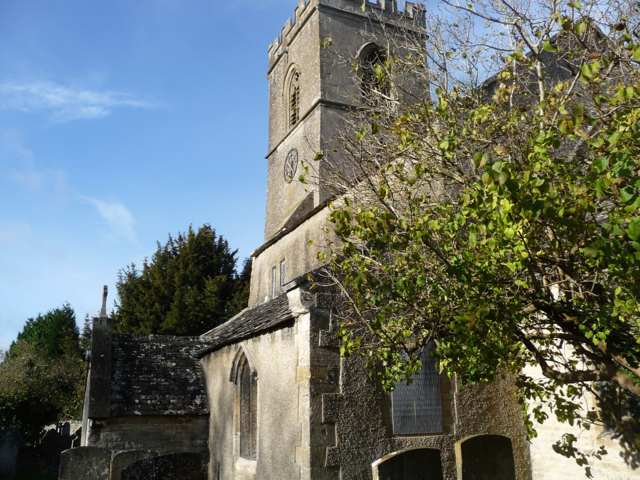
| St Lawrence, Stonesfield (photo Clare Weiner) |
Are you ‘religious’?
Halfway through their first date, Jenny (my protagonist in Baby, Baby) suddenly asks Max, who she’s met in Cambridge on her interview day, this question… she asks with a sinking feeling … Max admits only that his dad is a minister …
Are you happy to be called religious – or do you feel about people label you that way that there is something pejorative, though possibly covert, lurking within their comment?
Do you feel, as I do, that the question is toe-curlingly horrible? It seems to signal that I and the other person now have little possibility of on-going friendship. It slams the door on open discussion or inclusivity between people with different moral outlooks. Like the classic ’have you stopped beating your wife yet?’, the question is phrased to compel a Yes or No. ‘Yes’ would not describe my faith position: ‘no’ would ‘deny Christ’. A yes or no which represents one’s faith in a gracious God of compassion, mercy, and love of his creation is a hard one to find!
Last month I wrote about the word ‘Christian’, tracing ways this has moved from simply describing followers of Christ to carrying undertones of dislike, and distrust, or at least, wariness. ‘Religious’ has become a portmanteau word for people who create guilt in others, hold extreme moralistic attitudes, and are intolerant of difference. Yet Who we follow is a most inclusive, open, welcoming, and merciful Person.
Usage changes most words over time. Look up, if you want light relief from this blogpost (or preferably afterwards!) the word ‘toilet’ in the Oxford English Dictionary. You will be surprised!
It may be impossible to reinstate a neutral or positive meaning to a word once it has been set on a downward path. When ‘religion’ causes wars, the true cause is of course political, but if the nations at war follow different official faiths, it’s only too easy for them to be labelled ‘the Xfaith group and the Yfaith group’. Mud sticks, just as when members of a ‘religious group’ go astray and commit crimes which strike not only at the innocent victims but at the heart of our compassionate God.
The downwards slide of the label means that many of us in ACW may now express reluctance to be labelled ‘a Christian writer’, preferring to identify as ‘a writer who happens to be a Christian’. Labels can be positive or negative, but we live in an age where labels are more often feel offensive: ‘a disabled writer’, ‘an ethnic minority writer’ would likely feel the same as we do about their label… Okay to stick a label on yourself, but don’t stick it on others!
How do we best more forwards in a culture which has become more, not less, fearful of ‘otherness’? Practising a faith, and believing in a deity, has been added to the list of skin colour, country of origin, language, or for that matter sexual orientation or disability. All kinds of possible ‘otherness’ were overlooked by Jesus in the New Testament: Jesus healed, and spent time with, all kinds of people, sometimes in their own homes. And as Paul says (Galatians 3 v. 28 NIV) ‘in Christ there is neither Jew nor Greek, neither slave nor free, nor is there male and female, for you are all one in Christ Jesus’. This teaching is a far cry from our present society’s views on what ‘Christian’ or ‘religious’ means.
Nonetheless, popular usage is dictating how these words are being understood.
Are you religious? Could you describe what ‘religious’ means to you (either positive or negative)? Any ideas for a short, informative reply to the leading question? Put it in a comment! (Remember the questioner is probably not keen on ‘religious’ types, and that’s why they asked …)
Clare Weiner has published two novels about the on-going story of Jenny and Max – Baby, Baby and The Labyrinth Year – under the name Mari Howard, and is working on a third … the stories range mainly around Cambridge, Cornwall, Northumberland, and Oxford, and are set between the 1980s and 2007 … the stories investigate contemporary culture and attitudes sacred and secular …
Originally written by Mari Howard

