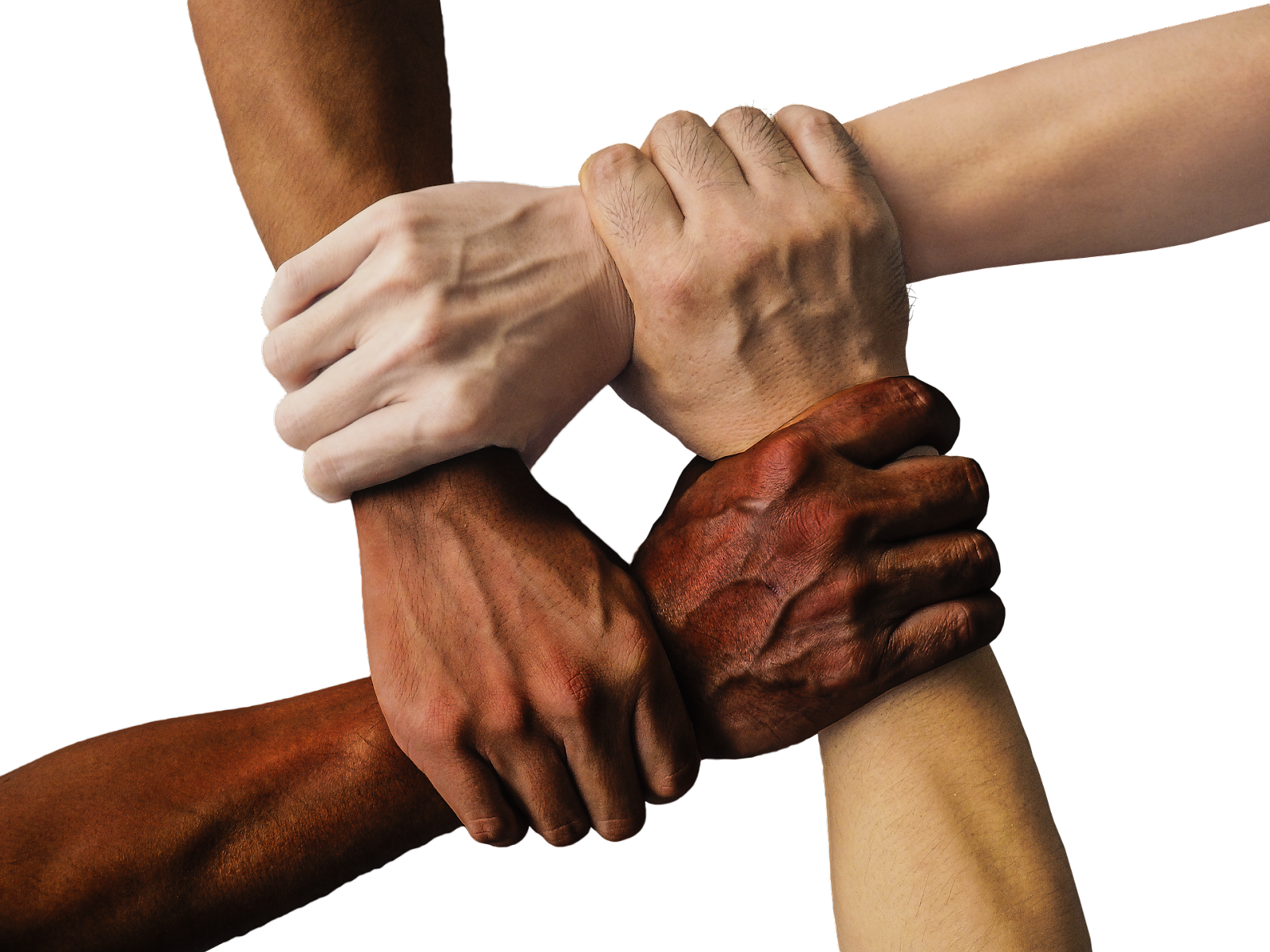
It is a more inclusive world today than the one I grew up in. When I first started writing, I saw few people of colour in the media, visited no shops or restaurants with ramps, knew of no female clergy. Life and work was conducted, in the main, in the interests of white middle class able people in gender-specific roles and there were few exceptions on the TV, or in the books I read.

But very occasionally, there was something. I remember being deeply affected watching The Miracle Worker, the biographical film about Anne Sullivan, blind tutor to Helen Keller. As you may know, Helen lost her sight and hearing after an illness at 19 months old. Anne taught her how to communicate and Helen went on to become an author, disability rights advocate, political activist and lecturer. The film was made the year I was born and I remember watching it as child of 8 or 9, and being profoundly moved.
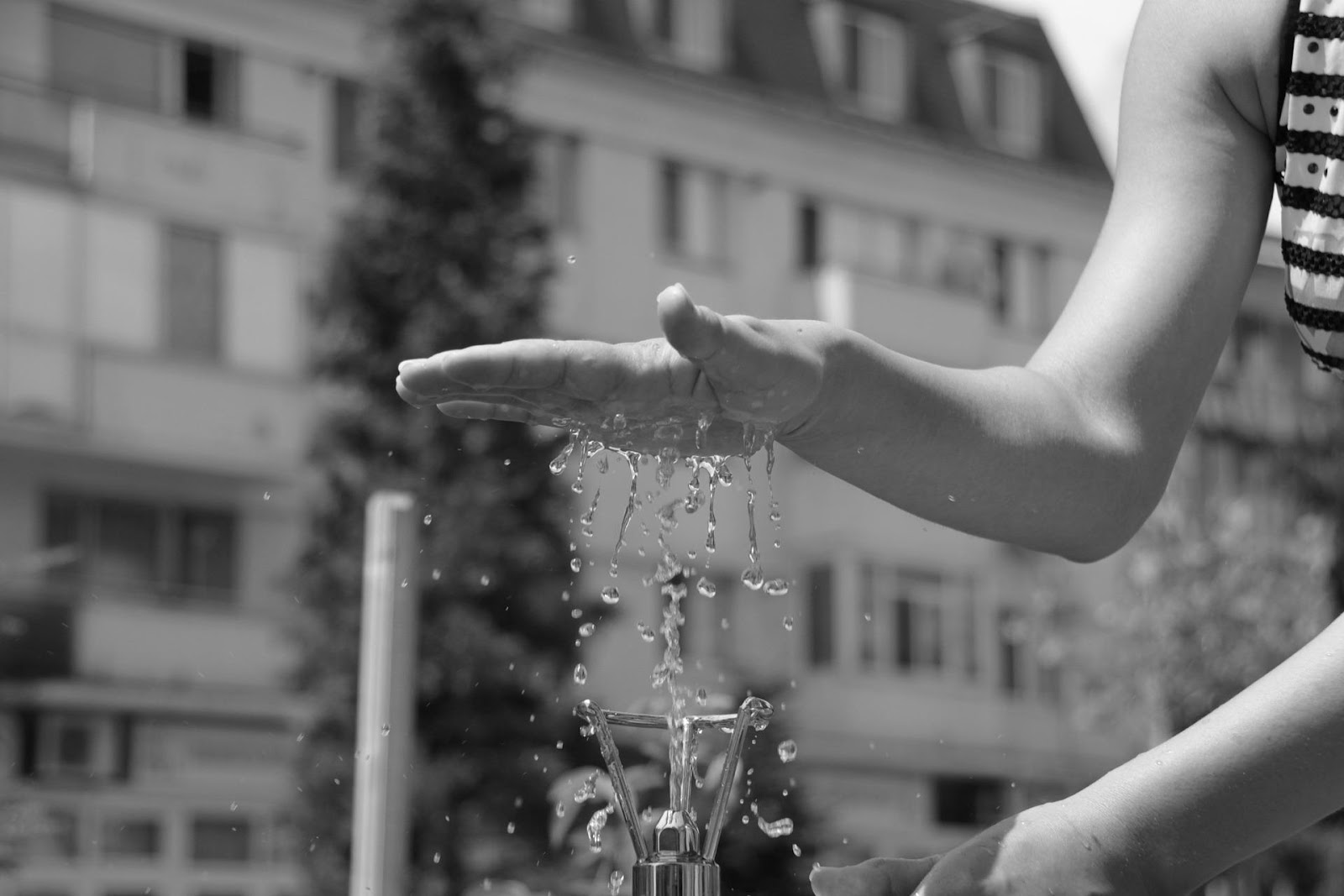
This description from Helen’s biography, the moment she realised the motions Anne was making on one hand, symbolised the cool water running on the other, is profoundly moving: –
‘I stood still, my whole attention fixed upon the motions of her fingers. Suddenly, I felt a misty consciousness as of something forgotten – a thrill of returning thought, and somehow the mystery of language was revealed to me. I know then that w-a-t-e-r meant the wonderful cool something that was flowing over my hand. The living word awakened my soul, gave it light, hope, set it free!’
Today there is more support for people with disabilities but we still have a very long way to go in terms of inclusion. In some ways, it feels as though we’re still light years away from seeing fully accessible communities and workplaces and increased disability representation in areas like the media and politics. However, there are many committed and hard-working advocates for inclusion out there. Surely Christians should be involved in this too. And how can we as Christian writers play our part?
Writing inclusive fiction isn’t easy. Sometimes we feel ill equipped to represent people so different from ourselves for fear of being tokenistic or, worse, ignorant. We feel we just don’t know enough about what it’s like to live in their shoes. But we writers live inside other people’s heads all the time. We can learn, ask questions, do research.
In addition to this, we can plan to be more inclusive as we think about our writing. How are we going to represent society as it really is, peopled with a vast range of interesting, unique, vibrant individuals doing and being all kinds of things in all kinds of ways?
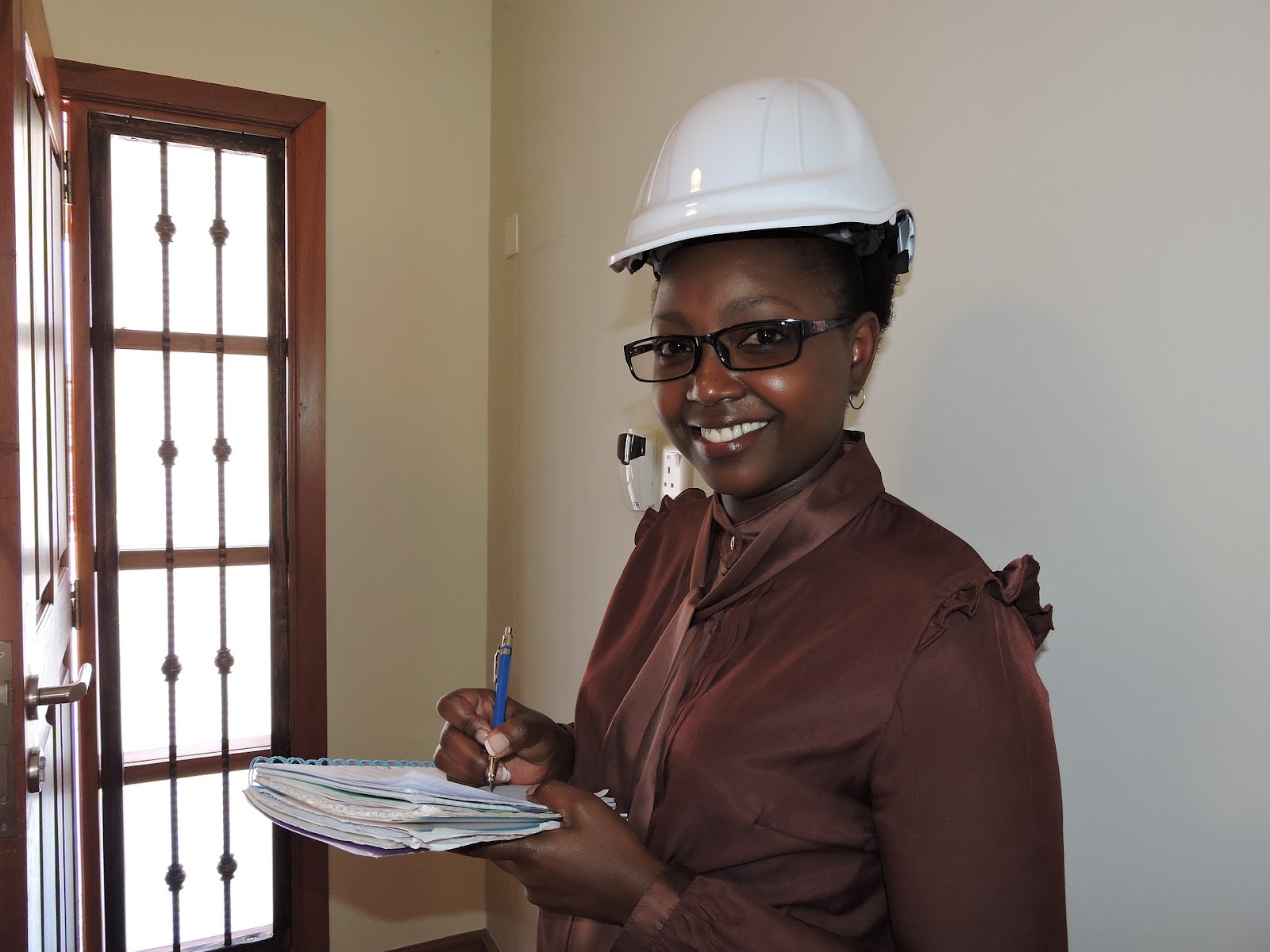
Here are some suggestions with examples from ACW writers who have achieved this: –
- When planning the first draft, think about including diverse characters from different cultural and class backgrounds. Apart from anything else, it can make for more interesting relationships. Katherine Blessan does this well in her book, Home Truths with Lady Grey which explores the relationship between a white middle class career woman and her Iranian carer who is married to a working class man
- Don’t always use gender-specific stereotypes. Make the vicar female, her daughter a flight engineer, her son a stay-at-home dad. If writing about bible characters, aim to amplify underrepresented voices. Lucy Rycroft’s wonderful Deborah and Jael book seeks to model strong biblical females to young children
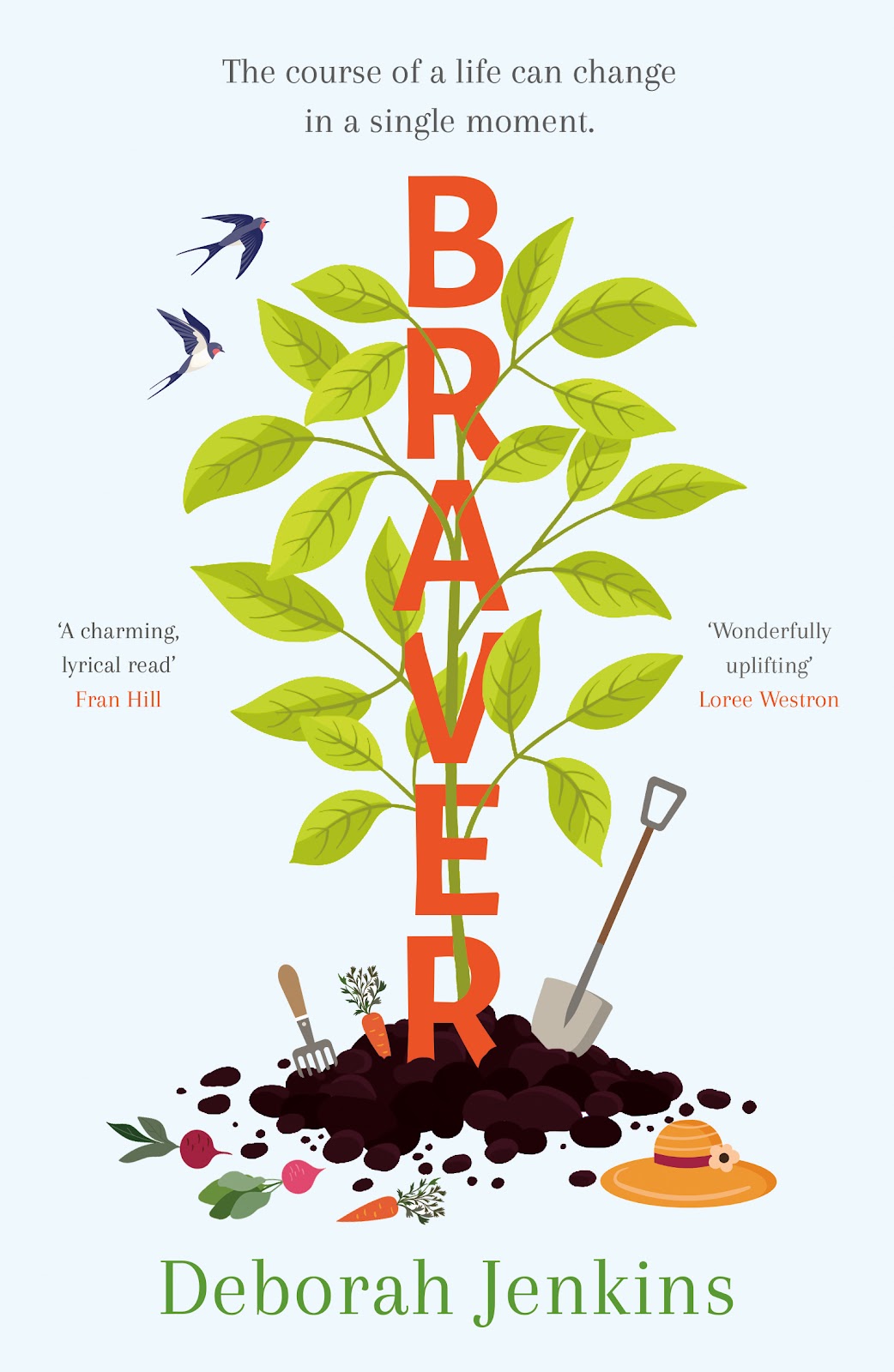
- Include people with disabilities, both seen and unseen. In my book, Braver, there are characters with mobility issues, anxiety, OCD and on the autistic spectrum. I am partially sighted and severely deaf and would love to see people like me represented in some of the books I read. I think most people would. Emily Owen’s books, Still Emily and My Diary, do this beautifully
- Make people life-like by ensuring protagonists don’t always seem 100% together. Include their foibles and weaknesses legitimising struggles with things like mental health and body image, commonly found today. Fran Hill does this well in Miss What does Incomprehensible mean?
- Show how your characters develop as a result of interacting with people different to themselves, their own worldview challenged so they’re obliged to change. Ruth Leigh does this effectively with her Isabella Smugge character
The publishing industry is doing its part. Many say they particularly welcome submissions from underrepresented groups. Many publishers also employ people to do a ‘sensitivity edit’. I had one of these for Braver and I’m so glad I did. In my efforts to include people of different cultures and experiences, I inadvertently wrote a few things that could have been misinterpreted. I was glad to have them pointed out to me.

These are all small steps and we may take them anxiously, worrying we ‘won’t do it right’. But if we try, with help and over time, we will play a small part in helping to create the kind of inclusive, accepting society that Jesus told us to work for – a little bit of heaven on earth.
Who knows? Although Helen Keller meant it another way, perhaps our words, in a short story or novel, could one day be a piece of the puzzle causing others to say, ‘I felt a misty consciousness as of something forgotten – a thrill of returning thought…The living word awakened my soul, gave it light, hope, set it free!’
With thanks to Pixabay for the above images
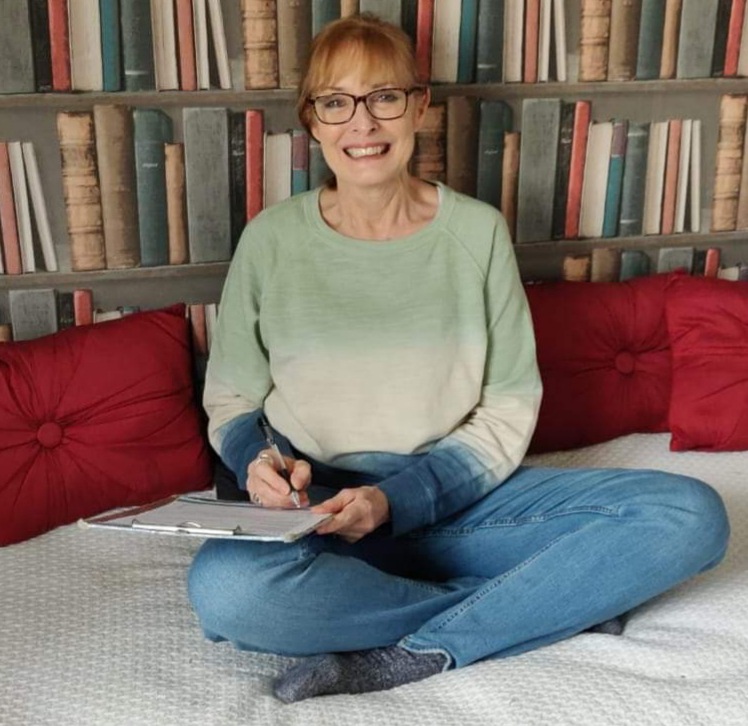
Deborah Jenkins is the author of textbooks, educational articles and a novella, The Evenness of Things, available in paperback and as a kindle e-book.
Her novel, Braver, will be published on 30 June 2022 by Fairlight Books. You can read more about it, and pre-order via the publisher here or on Amazon. You can read a review and author interview about Braver here
Deborah wonders aloud about the crazy, inspiring and inappropriate on her blog stillwonderinghere.net