
Some of you may know that my paid job is a Hospice
Occupational Therapist. One of my specialisms is fatigue management, helping
patients to adapt to vastly reduced energy levels. Recently, I’ve been revising
what I teach for staff: those recovering from Covid and those of us coping with
the ongoing impact on our work and daily lives.
When the first lockdown happened, although it was shocking,
there was a novelty to it and we all thought, hoped, that it would be over by
autumn. Fast forward to Lockdown No. 3 and it’s just sheer slog: so much change
to the jobs we loved, staff shortages, our usual stress management strategies outside
work unavailable, even Zoom Fatigue*.
But it’s not just keyworkers. I’ve noticed many of us are talking
and writing about the drudge that daily life has become. For some of us, the
pandemic hasn’t given us extra space to write but less energy to put thoughts
together cohesively on paper.
But I’ve started to wonder if some of those fatigue management
principles I teach might also be useful for writers? Let me introduce you to
the 5Ps and 4Ds:
1.
PRIORITISING
What is it that’s most important to you? That
only you can do? That you would look back on and regret not doing?
That’s where to focus your energy first.
2.
PLANNING
Look at your To Do List and ask yourself:
Do I have to do this now/today? Or could I delay
it?
Do I have to do this myself? Or could I delegate
it?
Do I have to do all of it now/today/myself?
Or could I divide it over time/between a group?
Do I have to do it at all? Or could I dump
it?
Include something that benefits you every
day.
3.
PACING:
Stop before you get exhausted – you’ll have
more stamina in the long run.
Plan and take those breaks.
Breaks can be a change in what you’re doing
– vary physical/mental, creative/mundane, indoors/outdoors, sitting/moving.
Introduce variety: a different route for
your daily walk, a new radio station, change the order you do a familiar routine.
4.
POSTURE:
Poor posture leaks energy. So take a look
at where you’re writing:
Shoulders dropped or hunched? Screen at a good
height for your neck? Thighs horizontal and feet supported?
Are you changing your gaze from near to far
regularly to prevent eye strain?
Get up regularly. Do those stretches.
5.
PERMISSION:
Be kind to yourself.
Make the same allowances you would for a good
friend.
Remember it’s OK to have a fallow period.
Take time off.
Go and have a walk or a cuddle with God.
Or you could make two lists: things that tire you and things
that energise/relax you. Pick out the ones that you have some control over.
Then see which of these you can do less of in the first list and more of in the
second.
I’ll leave you with two things that lift me:

And this: Márquez:
Conga del Fuego – YouTube
God bless you in your writing and let me know what helps you
get through the slog.
*Yes, it’s a real neurological thing – have a read of this
article if you’re interested: ‘Zoom
fatigue’ is taxing the brain. Here’s why that happens. (nationalgeographic.com)
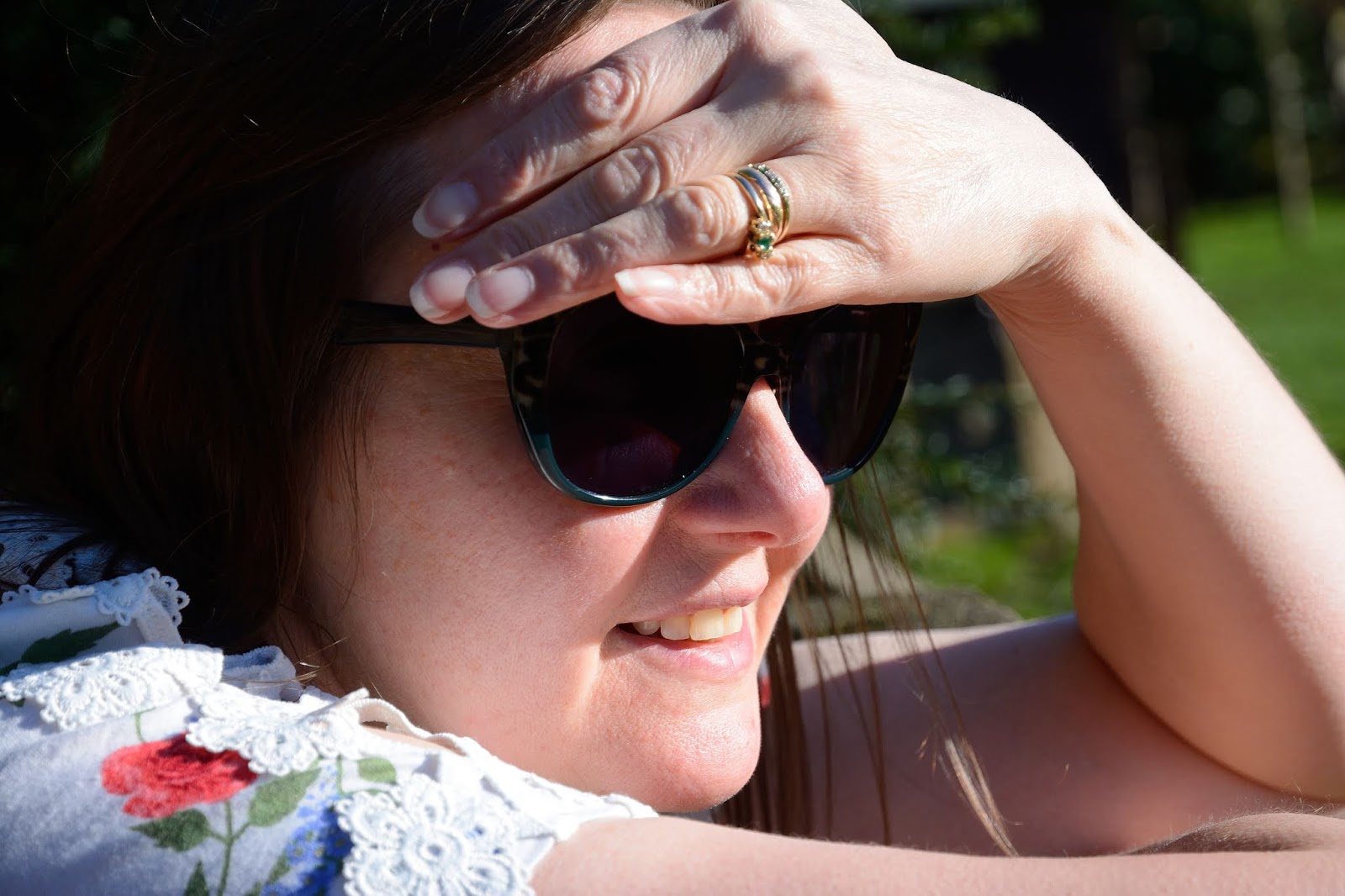
Liz Manning fits writing around being an Occupational
Therapist, BB captain, wife, and mum to two adult children. Or perhaps it’s the
other way round. She blogs regularly at https://thestufflifeismadeofblog.wordpress.com/

