
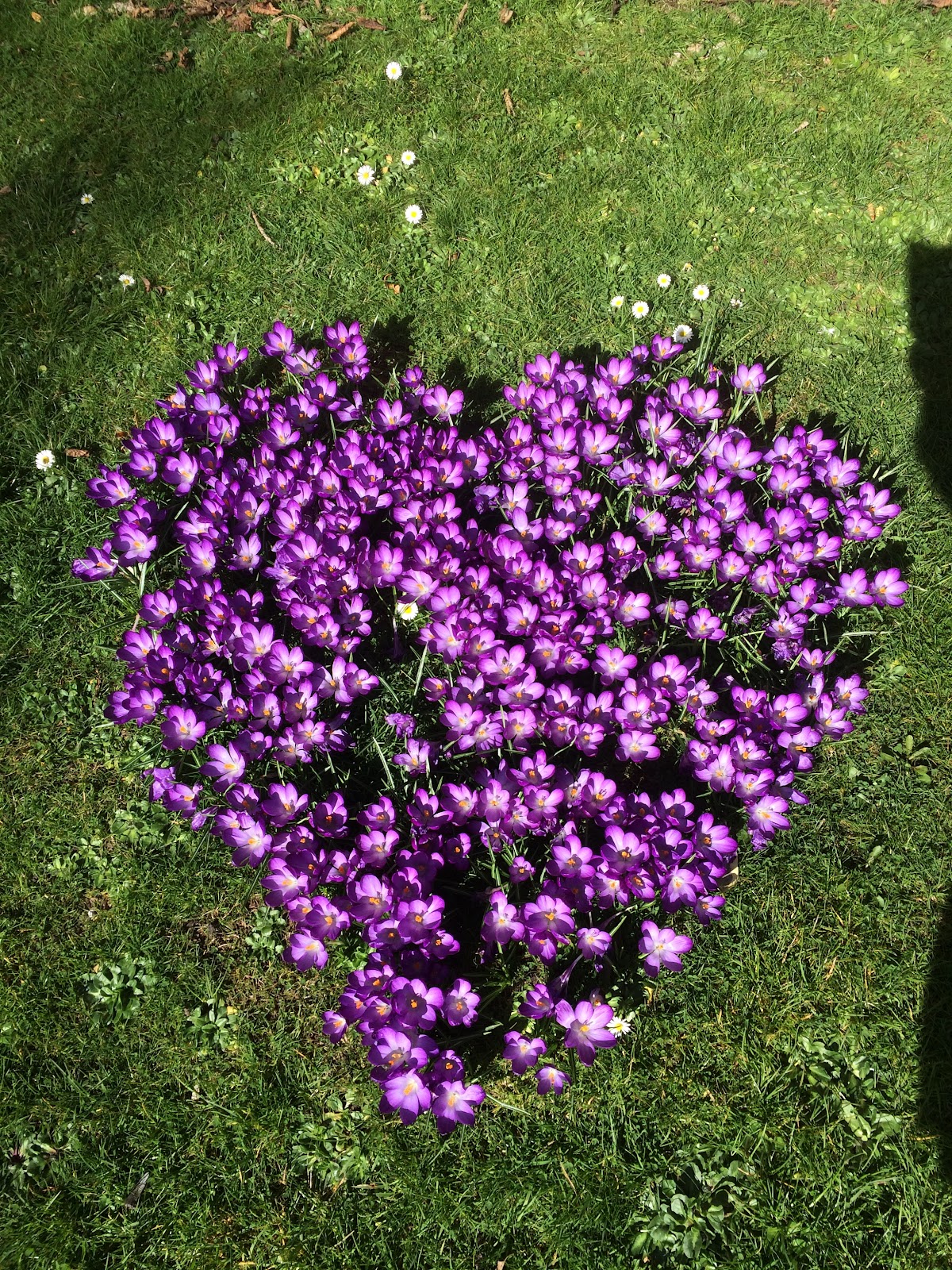
“The human heart is so delicate and sensitive that it always needs some tangible
encouragement to prevent it from faltering in its labour. The human heart is so
robust, so tough, that once encouraged it beats its rhythm with a loud
unswerving insistency.” Maya Angelou
The late Maya Angelou’s wise words offer a
rich starting point for reflection. My focus today is on the theme of
encouragement — something we all need, in our work, our family life, and, of
course, in our creative efforts. I am convinced that encouragement engenders far
better results than criticism, perhaps especially in writing. None of us enjoys
being told that we are not very good at something. Most of us are already our
own harshest critics, and we would do well to be far more bullish when it comes
to self-worth — again, particularly in creative work.
The word encouragement
itself is revealing. It comes from Old French, dating back to the mid-fourteenth
century, and can be traced to the verb encoragier, meaning “to make strong” or
“to hearten.” At its root lies corage — courage, or heart. To encourage, then,
is quite literally to give heart. That feels like the nub of everything. While,
in purely physical terms, the heart is a pump ensuring our blood does what it
should, it is also a powerful symbol of affection and connection. The heart
signifies love — for ourselves and for others.
The human heart is indeed a
miraculous organ: fragile and vulnerable, yet strong and durable, beating its
steady rhythm that punctuates every moment of our lives. Its capacity to carry
on, even in the face of trauma, inspires our own resilience. As I have shared
before in my grief writing, a broken heart still beats.
On Valentine’s Day,
people around the world exchange tokens of affection with those they love. While
these gestures often centre on romantic love, they also encompass friendship,
family bonds, and simple acts of kindness. From handwritten notes to thoughtful
gifts, the day reminds us of the power of encouragement to foster connection and
spread warmth.
St Valentine himself is remembered as a figure of quiet courage
and encouragement. According to tradition, he was a third-century Christian
priest who continued to marry couples in secret when such unions were forbidden.
His faithfulness to love and commitment ultimately led to his imprisonment and
martyrdom. It is perhaps fitting, then, that Valentine’s Day should be
associated not only with affection, but with encouragement — the strengthening
of the heart in the face of fear.
Even if you choose not to embrace the
commercialism of the occasion, taking the time to let someone know how much they
mean to you is a deeply encouraging act — one that comes straight from the
heart. Like the heart muscle itself, our capacity for encouragement is not
easily exhausted. When we encourage others, we offer them a piece of our heart:
a gesture of kindness and affirmation that can lift their spirits and strengthen
their resolve.
Encouragement is reciprocal and cumulative. It not only bolsters
those who receive it, but also fortifies our own spirit, creating a gentle
ripple effect of confidence and self-belief. If you find yourself longing for
encouragement, one of the surest ways to experience it is to offer it freely to
others. This gift — given in and from the heart — is precious, and always worth
sharing. After all, love lies at the heart of everything good.

