
How do you feed your writing?
I mainly do so by reading inside and outside of my genre, including non-fiction.
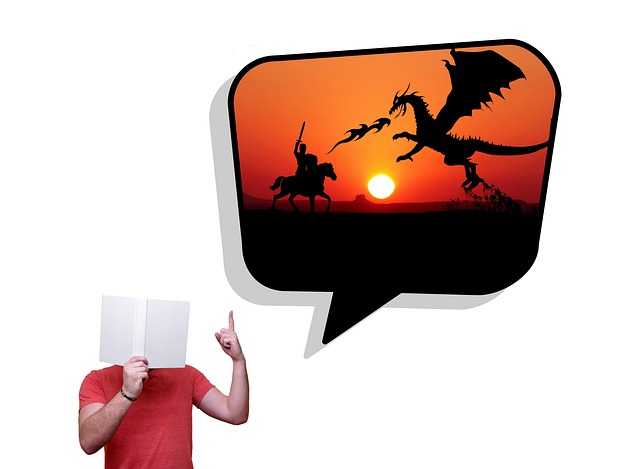 |
| Feeding your writing includes taking in different genres and lengths of writing and reading, Pixabay |
Other ways to feed my writing include:-
Mixing up what I read in terms of type.
I read novels, flash fiction, articles (and have been known to read the back of a cornflake packet in my time! If there is something to read, I’ll usually give it a go!)
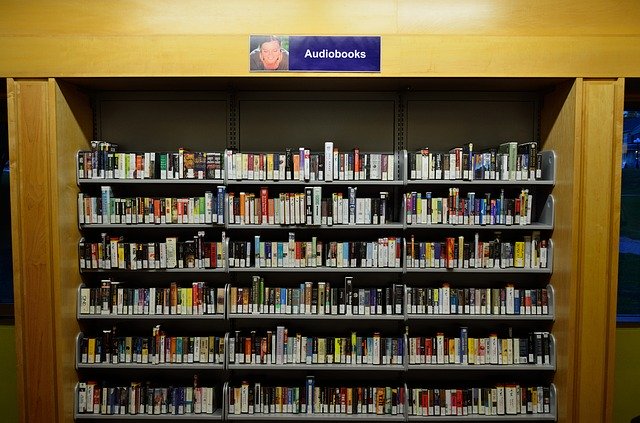 |
| Don’t forget audio books. Having a tale read to you, I think, is wonderful. (You get to hear how dialogue works too!). Pixabay |
Mixing up how I take in stories.
Reading is the obvious way but don’t forget audio books. There’s an extra dimension when you hear a story, I think. It’s a lovely link to the oral storytelling tradition too.
Film is fantastic for getting people into stories they wouldn’t read. I know someone who would never read Tolkein’s The Lord of the Rings but was glued to the films. Visual storytelling has its place.
 |
| And then there is visual storytelling… Pixabay |
Making myself enter competitions.
My main market is in flash fiction but I go in for the longer short story field too. I love competitions. Open themes challenge you to devise something unique.
I prefer the set theme though. Boundaries enhance your imagination.
I remember hearing an interview with Graeme Garden of The Goodies years ago when he talked about the BBC having a Green Book listing what could not be said in programmes. The most famous example was you couldn’t say “winter draws on” because draws would be mistaken for drawers, i.e. underwear. Graeme Garden’s view was having the Green Book forced comedy writers to think harder to find ways around the restrictions without seeming to do so.
 |
| Pick up your pens (or PCs!) and enter those writing competitions. Don’t forget the ACW ones! Pixabay |
Likewise with competitions with a set theme. You need to find what will be your take on it. A useful tip is to list the first ten ideas (yes, ten!) you have for a set theme and work your way down.
The first few ideas will be “obvious” ones but look further down. You are more likely to come up with something interesting that fits the theme but is still “outside the box”. That makes the tale more likely to catch the judge’s eye.
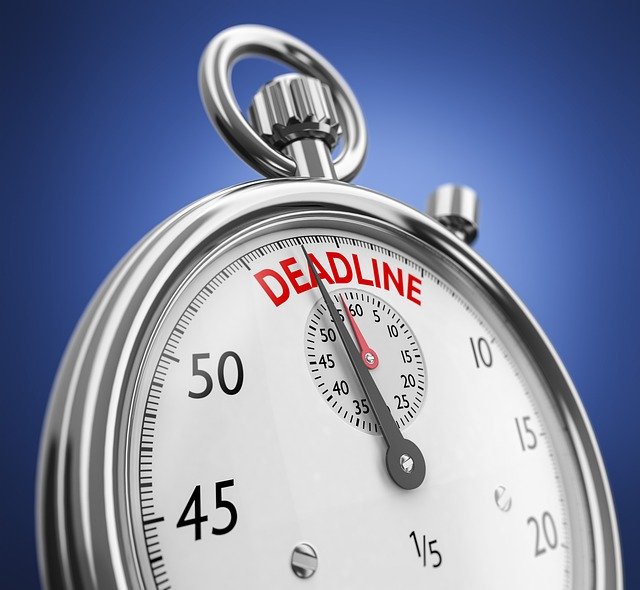 |
| I take about a week off any competition deadline and work to MY setting. It gives me time for final tweaks and know I will still have my story submitted in plenty of time. Pixabay |
Trying something different every so often
This is how I discovered flash fiction! Cafelit issued a 100-word challenge and I gave it a go, having previously only written standard short stories. I became addicted to the form!
I’m working on something different at the moment. I have no idea when I’ll finish it but it is pushing me, which I think will fire up my main writing. (It’ll also mean I’m never short of things to do or edit!).
The great thing is if the something different doesn’t work out, you gave it a go. If it does work out, hey presto! You’ve developed a second string to your bow. Well done.
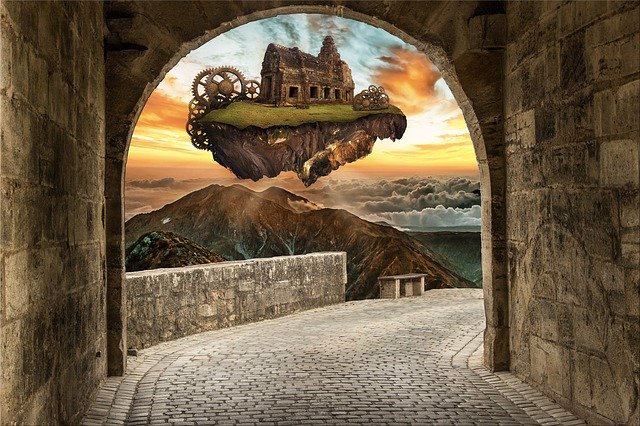 |
| No matter how oddball your location, can a reader identify with your theme? Pixabay |
So give your writing a good feed by reading regularly across contemporary works as well as classic. Have fun with different writing forms and competitions.
Feeding your writing means you are much more likely to continue enjoying writing.

