
Much of the
advice I have received on editing is along the lines of ‘get it all down on
paper (or the screen) and then do all the editing afterwards’. And when people have said this, I have nodded
absently. But the truth, Dear Reader, is
that I don’t do this at all.
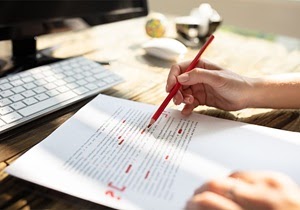
I can certainly see the benefits of the get-it-all-down
method. It saves time and the writer avoids
falling down unnecessary rabbit-holes, editing wording and ideas which later on
are deleted. It also allows him/her to
develop a perspective of the whole story straight off. Obviously, a perfect writer would have
planned his/her stories so well that he/she would already have that perspective
before he/she started writing, but, hey-ho, I’m not perfect – are you?
I can see that the get-it-all-down method may work
well for shorter pieces, such as flash, but I wonder how get-it-all-downers
cope when writing longer works. When I
was writing my novel, Wodka or Tea With Milk, there were several
occasions when the several hundred words I’d just written didn’t feel right and
it became obvious that things must move in a slightly different direction. For this to happen, I needed immediately to
write a new scene, which would be referenced in later scenes.
My technique, which I have developed
unconsciously over the years, is to write a few paragraphs, click on the save
button on my computer, and then read them through. If there’s an obvious mistake – words missed
out are my bugbear – I make alterations there and then. Also, if there’s something which I could have
expressed better, or maybe a character would have used different words in
dialogue, I edit. I also format, add
page numbers, change paragraph indentation and italics for titles. Then I might go back, read the paragraph
again and maybe I’ll edit again… and again.
My stories may take longer to write, of course, but it gets me into the
characters and setting like nothing else, because I’m afraid I’m rather a pants-ter.
Short interruptions, like making a cup of tea,
also have drastic consequences, because suddenly I start seeing different angles…
and when I return to the page, I will need to make more changes. If I take a longer break, say, overnight, I
always read through the last few paragraphs to get into story-mode again, with –
inevitably – more edits.
… By the way, I’m editing this piece as I go
along. I think you’ve probably guessed
that already.
What do you do?
****************************
Rosemary Johnson writes flash fiction, short stories, novels
and book reviews, and lots else besides, including recipes for her local church
magazine. She is the author of Wodka, or Tea with Milk, a
novel set during the Solidarity years in Poland in 1980-1, and Past and
Present, a collection of her short stories, was published by
Bridge House Publishing, in June. In real life, she lives with her
husband in Essex.

