
People with severe disabilities are 100% whole people. I know I don’t
have to tell my readers that as you’re all fully aware of this fact but, sadly,
there are some that do not realise this. Including, I’m ashamed to say, some
members of my own extended family. That is why I think it is so important to include characters
with disabilities in fiction writing and there aren’t that many books that do
this. I don’t mean stories where the main character has the disability – where the
story often becomes about the disability, in fact, the disability almost
becomes a character in its own right. I mean stories where the characters play
their role in spite of their disability.
My daughter is, what some would call, severely disabled. Climbing
stairs for her is like scaling Kilimanjaro, walking across Waitrose is tantamount to negotiating a swamp filled with crocodiles and processing a sentence is equivalent
to translating from Arabic into French and then into English. As a result, she
becomes frustrated, confused and easily upset.
stairs for her is like scaling Kilimanjaro, walking across Waitrose is tantamount to negotiating a swamp filled with crocodiles and processing a sentence is equivalent
to translating from Arabic into French and then into English. As a result, she
becomes frustrated, confused and easily upset.
 |
| Climbing stairs for her is like scaling Kilimanjaro |
Some may look at her with understanding,
a few with judgemental tuts or even pity but I hope that most will see a kind, compassionate
young lady who has a heart for the vulnerable and a hug for those that need
comfort. A girl with a wicked sense of humour who loves to dance, pop bubbles
and share her ice-cream with our dog.
a few with judgemental tuts or even pity but I hope that most will see a kind, compassionate
young lady who has a heart for the vulnerable and a hug for those that need
comfort. A girl with a wicked sense of humour who loves to dance, pop bubbles
and share her ice-cream with our dog.
It’s not about pretending the disability isn’t there but it’s
about seeing the person rather than the disability. It’s about knowing what makes her laugh, cry, what inspires her, excites her, soothes her.
about seeing the person rather than the disability. It’s about knowing what makes her laugh, cry, what inspires her, excites her, soothes her.
When writing my books, I will include characters with
disabilities not because I’m trying to make a point, not because I want to be
seen as being politically correct but because all people – whatever ability,
disability, sexual orientation, race, age, religion, social standing etc, etc – all
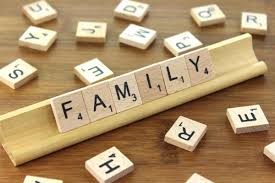
people are part of this colourful, beautiful tapestry of the human race. All of us are equal in the eyes of God. All of us are loved. All of us possess a God-given purpose. We’re family. Disability simply doesn’t come into it.
Originally written by Nikki E Salt

