
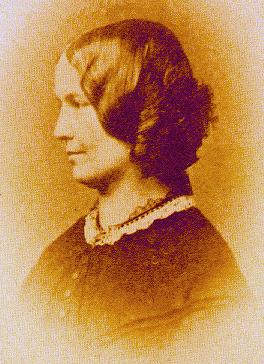
Charlotte Brontë
Life has been getting in the way of my two WIPs. (Yes, I’m writing two at once, ghost writing
a second book for a pastor in India and working on my second novel). But working full time and caring for elderly,
disabled relatives had begun to sap my energy and I decided that my imagination
needed a kick-start. I can’t change my
circumstances, so I tried an experiment. As I normally read a lot of non-fiction, especially
for my work, I decided over the summer to read only fiction books. I almost kept to it – I was beguiled, after listening to Dave Andrews, into buying his book, The Jihad of Jesus, on
Muslim-Christian relations. (I haven’t
yet finished it, but I recommend it as a thought-provoking read). But that was the only exception.
So, what have I read?
Many and various authors – Jonathan Swift, Thomas Hardy, George Eliot, Charlotte Brontë, Elizabeth Goudge, Jenny Lee, Georges Coulonges, André Gide, Philippe Claudel, Alan
Bennett and our very own Mel Menzies and S L Russell.
Many and various authors – Jonathan Swift, Thomas Hardy, George Eliot, Charlotte Brontë, Elizabeth Goudge, Jenny Lee, Georges Coulonges, André Gide, Philippe Claudel, Alan
Bennett and our very own Mel Menzies and S L Russell.
Apparently, reading fiction makes you more empathetic,
and this effect is increased if you read “literary” rather than “popular”
fiction, according to one study (http://mic.com/articles/104702/science-shows-something-surprising-about-people-who-love-reading-fiction). Neuroscientists have also discovered that
reading fiction improves brain connectivity and function, brain receptivity for
language, and the ability to be compassionate (https://www.psychologytoday.com/blog/the-athletes-way/201401/reading-fiction-improves-brain-connectivity-and-function).
It appears that reading “language rich in detail,
allusion and metaphor” creates “a mental representation that draws on the
same brain regions that would be active if the scene were unfolding in real
life” (http://lifehacker.com/how-reading-fiction-can-help-you-live-a-better-life-1666696457)
and so enables us to feel exactly as we would feel if the scenes about which we
are reading were playing out in front of us, with real human beings whom we could
look in the eye. In this way it enhances
our ability to look at our fellow human beings and imagine how it would feel to
be in their shoes. No wonder Jesus spent
a fair proportion of his early morning trysts with his Father in dreaming up
stories full of wonderful, life-like characters (the prodigal son, his heart-broken father and prickly older brother; the housewife who has lost one
of the coins from her wedding headband which hold such sentimental value for
her; the nervous servant who can’t face the risk of investing, and buries in
the ground what his master has entrusted to him, and many more).
So what effect has
my summer of fiction had on me? None of
the stories I’ve read this summer has very much in common with the one I’m writing. And yet I do feel as if my imagination has
been given the fillip I was looking for.
My brain is teeming with insights into the characters I’ve created, with ideas for the situations I’ve put them into, with powerful words and phrases,
and with ways of resolving seemingly intractable problems without resorting to
improbabilities.
Of the books I’ve read, I must just mention the two written
by our own members. Mel Menzies’
(Merrilyn Williams’) “Time to Shine” involved scenarios I could identify with
because of memories of my own history. I
was sceptical as to how the problem she had set herself could be resolved in
any way that was credible, and yet when the resolution came it was natural,
believable and satisfying – very skilfully done. Sue Russell’s book “A Shed in a Cucumber
Field” dealt with issues far removed from my own experience, but it was
populated with flawed yet winsome characters who invited my empathy. Their spiritual journey into honesty and
openness with God had a profound spiritual effect on me, enabling me to open
myself up to God in a similar way – something no story has done to me for a
long time – all while being a compelling yarn, full of suspense and surprises.
Happy reading, everyone!
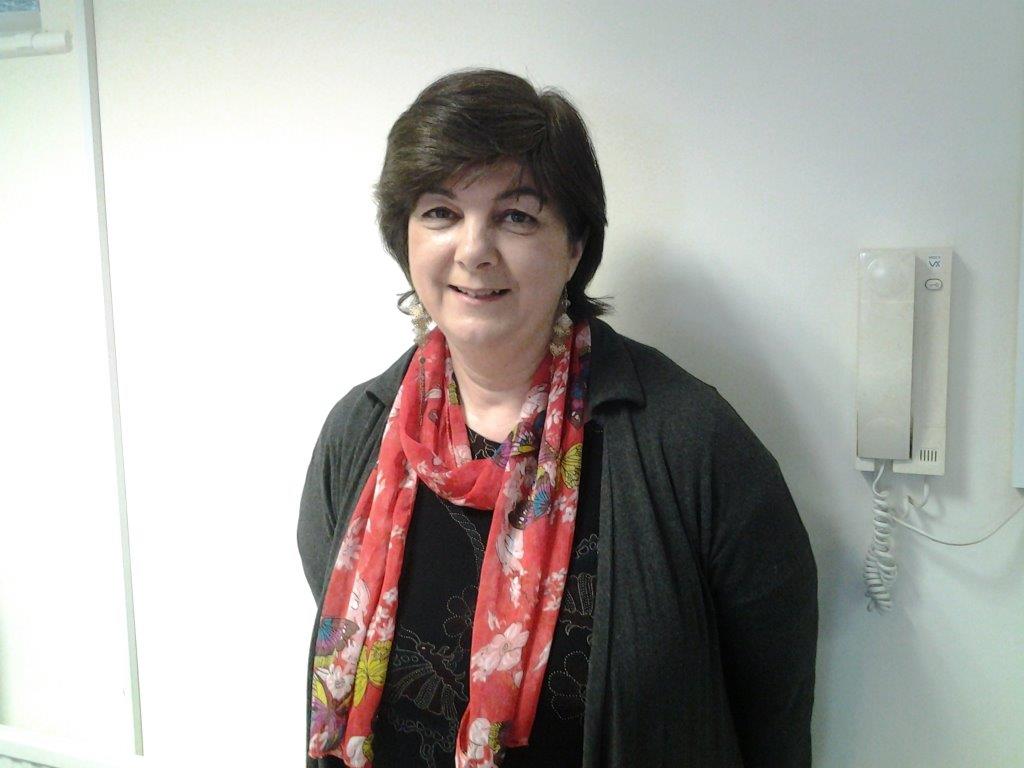
Ros Bayes has 7 published and 3
self-published books, as well as some 3 dozen magazine articles to her
credit. She is the mother of 3 daughters, one of whom has multiple
complex disabilities, and she currently works for Through the Roof (www.throughtheroof.org) as their Training Resources Developer, and loves getting paid to write about disability all day. You can find her blog at http://rosbunneywriting.wordpress.com and her author page at http://www.amazon.co.uk/Ros-Bayes/e/B00JLRTNVA/. Follow her on Twitter: @rosbwriting.
Originally written by rosbayes

