
I must admit I was a bit reluctant to go. I was exhausted
and had many shelved tasks at home that I’ve been putting off for far too long.
Maybe I felt like a child expected to turn up at a family event where I didn’t
fit in. Yet I shouldn’t have been surprised to have been blessed by attending
the ACW Autumn Gathering in Egham last Saturday. It was lovely to meet people whose comments I read
on Facebook or LinkedIn posts. I also came away with a fresh impetus to get
back to my writing. Although it was not one of the many interesting insights
that were shared that stuck with me most, but an almost throw-away comment by the
ACW chair, Jane Walters.
Jane shared how she had returned to drawing and painting but
acknowledged that the output was not well formed, as if a child produced it. Her
comment inferred that we can gradually improve a skill we enjoy. For me, I was drawn
to recall the Bible verses (Mark 10:13-16) where Jesus welcomes and blesses
children. He commends those around him to consider how children are unhindered
by expectation and accept the blessings of heaven easily. I wondered how much,
as writers, we can get too focused to shape our creative output (writing or
art) to be accepted by others and lose some of our individuality.
I fully accept there is much to learn about any art form,
but I love abstract art. I am drawn to the works of those, like Salvador Dali, Tracy
Emin and Damien Hurst, who’s works embody the freedom to push back on traditional
thinking. Though I’m still questioning art that people present as drawn by an
elephant or pig.
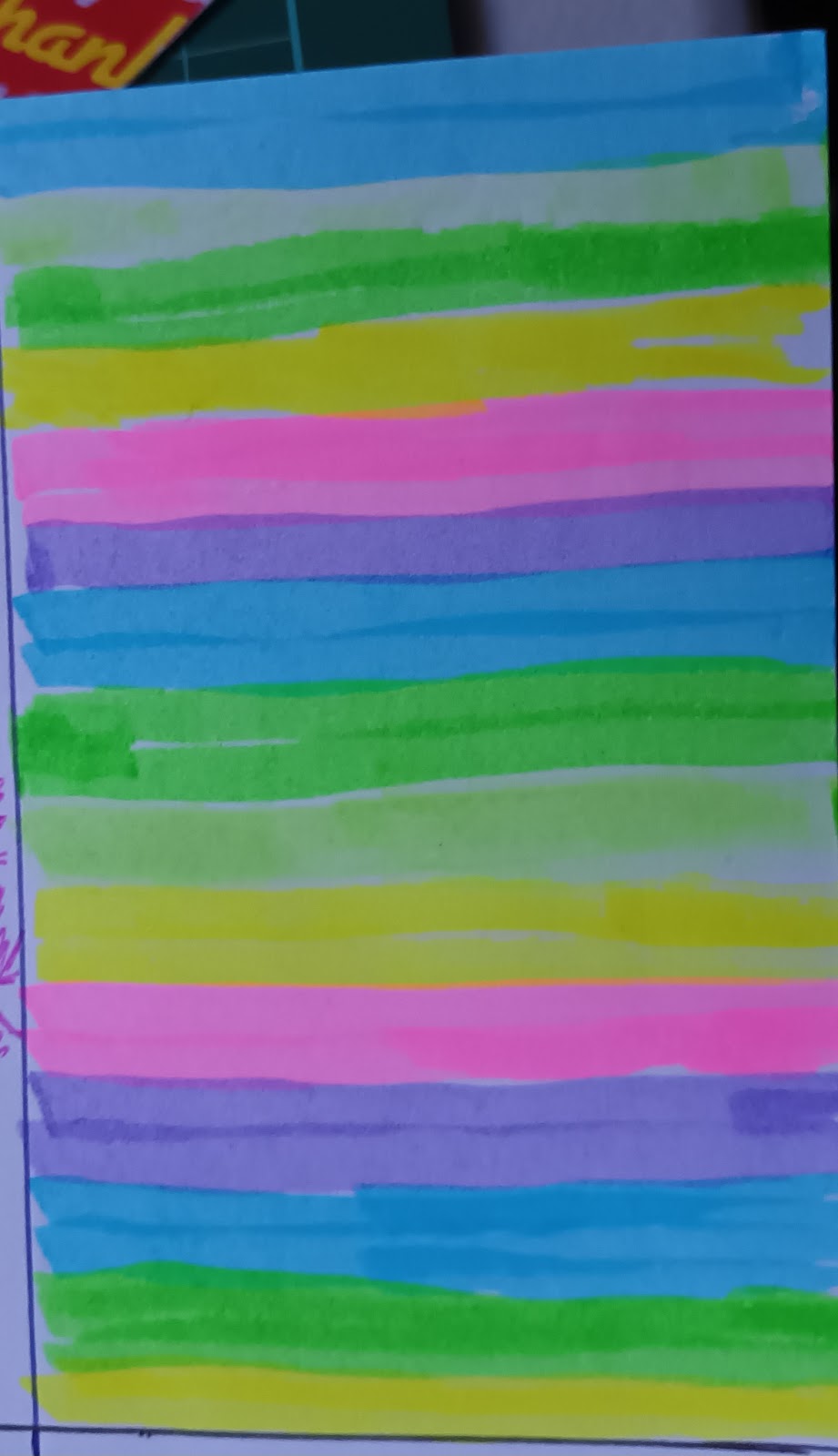
Much is made of the statement that you have to know the
rules to break the rules is true, but who gets to decide the rules? When does
following those rules stifle the creativity or subdue the inner child? Unpacking
my recently discovered neurodiversity has shown how much I have masked my true
self to fit in. I regularly boxed away my emotions and desires to become as
small and insignificant as possible. Even before my suspicions around this aspect
of my life, I was aware of inhibiting myself not to stand out. I began to challenge
myself to creatively ‘work on a bigger canvas with more colour’, but this proved
harder than I hoped.
In a recent TV programme, I was intrigued to hear that the great
Impressionists, such as Monet and Renoir, were considered breakers of the rules.
The respected Paris Art Academy considered them too radical in the ways they used
colour and sweeping brushstrokes to quickly capture a scene. At that time art was
expected to record important portraitures or significant landscapes. Oddly, later
the Impressionists themselves disregarded Seurat’s scientific use of dots to create
stunning records of ordinary urban Parisian life as not spontaneous enough.
In one of the group sessions in the afternoon of the ACW Gathering,
someone recommended some poetry courses to me. I was grateful as I recognise
there is benefit in exploring different poetic forms and I’m keen to build on
my use of sound, rhythm and form in poetry. However, I find free verse
liberating and enjoy working with concrete poems. I want to discuss whether I produce
humorous ditties, spoken-word verses expressing direct emotionally charged topics
or conceal the key subject under the cloak of a parallel perspective. I find Brian
Bilston’s approach to poetry fascinating and inspirational. So, I’m eager to develop
my own personal expression and perspective, so I can approach well-trod topics
in fresh ways.
I had planned to write about a generic writing skill, but I
was prompted to promote poetry this time. It can feel like authors of adult
fiction are the embodiment of the institutional expectation of ‘a writer’. Those
writing books covering difficult topics for children and young adults, writing
short fiction or bringing fresh insights of God to others through devotionals can
feel second best. Sometimes poetry feels like the childish or abstract art of
writing. So maybe by being a poet I am kicking off expectations of the rule makers
and seeking to bring more colour on a bigger canvas.
I pray that we all release our inner child. The one that
seeks God wholeheartedly but also finds joy for ourselves and creative ways to share
that joy with others.

Elaine Langford is a writer that is feeling quite adult about exploring childlike approaches to discovering her voice in poetry.
If you want to check out some of her poems, pop over to her Poetry Puddles blog. [https://poetrypuddles.wordpress.com] Look out for a ‘concrete’ poem combined with a physical
art project she took part in.
Elaine has also started reworking a poem about frustration over who decides what is art or not, titled “Deep Art”. Pop back in a couple of days as she may have got round to posting it there by then.

