
No one told me about a magical milestone you can encounter when
writing a book.
At some point along your quest, you will have written so many
pages that you can ask your document nicely if it would be possible to see Everything
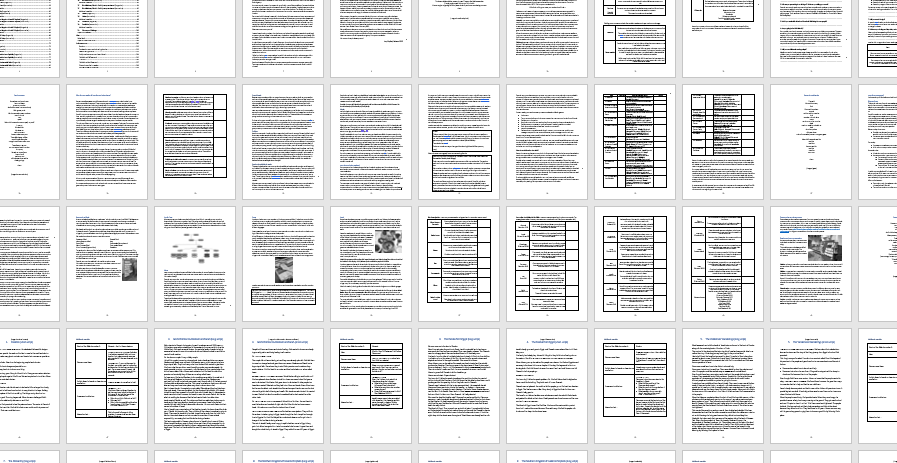
So Far. I find the easiest way to do this is to click View and then Zoom
and then Many Pages, because I use Word. No doubt other options are
available.
A grid of pages suddenly appears on your screen like some treasure
map of an American city. Each block is a tiny thumbnail view of one page, with cute
paragraphs and miniscule sentences. Any graphics are also displayed in miniature.
Tables, contents pages, footnotes, everything. The font is so small that if you
were at the opticians it would be the line just above the skirting. If you have
written ‘The Retelling of The Lord of the Rings (Extended Version)’ it is possible
that the entire thing may not all fit on to one page. If,
however, your book is three pages long the effect will not be so dramatic. (And
your quest may be only just beginning. Keep going.)
What shocks me, more than seeing how far I’ve come and how
cute my paragraphs look at 10% of their usual size, is just how wordy the whole
thing must be.
Word count is a crazy beast, isn’t it? On a typical writing
quest word count may parade as a friendly sidekick for a certain time, but
there are times, especially in those final stages, when it reveals itself to be
a double-crossing antagonist. In the past week this has happened twice to those
around me. Students I teach believe 1500 words is far too short for a theological
essay, especially if footnotes are to be counted. As a writer, I feel their
pain. As a marker, I don’t.
And a writer friend who has been reworking her book for some
time to bring it down to 110,000 words has been told by her publisher to trim
it further. To 80,000. As she points out to me, she’s already taken off all the
flab. Any more trimming, and it’s limbs coming off. That is painful, but it
seems to be the reality if she wants it in print.
Knowing what you’re aiming for as early as possible helps
get a sense of how many pages or words are required of you.
There’s a verse in Psalm
90 that speaks of us getting a good sense of the number of our days and it
is directly connected with godly wisdom.[1]
Our lives are not so long that we can do everything, travel everywhere or even
read all the books we would like. But they are not usually so short that we
cannot act with love and wisdom and kindness. The journey of life itself is eventful
and rich and interactive. It necessitates dependence and trusting others. It
involves seasons and milestones and, if we take a step back to look at Everything
So Far, a sense of wonder. Wow – did I do all that? And with the days I have
left, however many or however few, what could I do with the skills and
experience and energy and resources I now find myself with?
My own book is nearing the end of my own edits, although there
is still plenty to do at the publishing level. Perhaps the word count will be challenged
to meet economical requirements. Pages I wanted to include might just remain on
file in this month’s saved copy; little blocks of paragraphs swept aside but
not entirely forgotten. Any with any practical use or interest might get
revived online, which is a mercy. I would like to think I’ve numbered my pages
aright, but I am not so naïve to think that I’ve got this completely sussed on
my own. It is a team effort, with seasons and dependence and trust. And ultimately,
the whole endeavour is not about me, even if it is a journey I find myself on.

[1] If
time is short and you don’t want to read all of Psalm 90 to find it, it’s verse
12. Although you are missing out if you don’t read it all. Don’t feel guilty.
Do at least note the irony, however.
Image from Pixabay

Lucy Marfleet loves reading, laughing, her husband’s cooking, walking her dog and marvelling at how tall the kids are getting. She teaches Biblical Studies for Spurgeon’s College on their Equipped to Minister course and has a Masters in Theology from the International Baptist Theological Seminary. See her blog at www.lucymarfleet.com

