
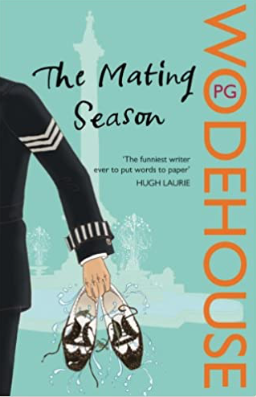
I was surprised and delighted when our book club chose Wodehouse’s The Inimitable Jeeves recently. Surprised because he doesn’t conform to current PC mindsets and delighted because I’ve been a fan from early teens. Are his books akin to the marmite love hate thing?
One member overcame initial resistance, happy to read ‘anything that sends up the aristocracy’. On that note, Orwell complained: ‘Wodehouse’s real sin has been to present the English upper classes as much nicer people than they are.’ This is hard to support given that the aristos in his prolific output are populated by criminals, phonies and other disreputables.
I had not dipped into his pages for years but still found the scenarios, characters and humour to be wonderfully relatable – despite a lack of upper class heritage. Words flow across the page as though they came effortlessly. Not always the case. Wodehouse said plots were the hardest to work out. He liked to ‘think of some scene, it doesn’t matter how crazy, and work backward and forward from it until eventually it becomes quite plausible and fits neatly into the story.’
For me, it’s been the best lockdown tonic possible. In the words of Stephen Fry: ‘you don’t analyse such sunlit perfection: you just bask in its warmth and splendour.’
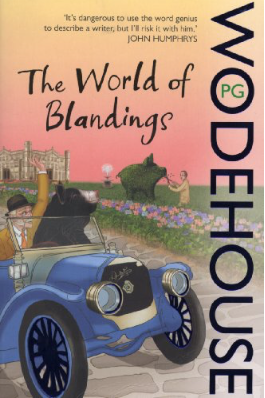
All writers are said to have a unique voice and I defy anyone to come close to duplicating this one. Take when ‘the door opened and Beach the butler entered, a dignified procession of one.’ Or Jeeves, about to be thrown out for unmerciful slandering of his master, charms the hapless Wooster as ….’through the doorway there shimmied good old Jeeves in the wake of a tray full of the necessary ingredients….’
If you’re on the hate side of the marmite debate then it could be Wodehouse is not for you. But those on the other side might find in him the antidote for these Covid ridden times. In a 2016 interview, Pat McInerney (author of bright lights, Big City) said he was clinically depressed for most of 1999 ….. ‘and I would turn to Wodehouse, possibly the funniest writer in the English language. It seemed to be more effective at warding off despair than the antidepressants I was taking.’
Evelyn Waugh would probably agree. He said in 1961 that ‘Mr Wodehouse’s idyllic world can never stale. He will continue to release future generations from captivity that may be more irksome than our own.’
Perhaps give him a try?

Eileen Padmore retired some time ago from health care and academia with a vow to indulge in writing more creatively and less academically. Her background in Africa, Eire, Northern Ireland (in the troubles) as well as inner city Birmingham and Leeds provides plenty of copy. She has had articles published by Woman Alive, Christian Writer and contributed to the popular ACW Lent book.

