
 |
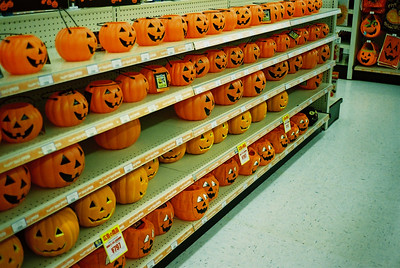
| Attrib MIKI Yoshihito (Creative Commons) |
As you cannot avoid noticing, today is 31 October, Halloween. Are you getting spooked up? If you are hoping to read something about
tacky ghosts, black plastic spiders and pumpkins, I suggest you close More
Than Writers immediately and move on.
You may be enjoying a quick cup of tea/coffee with your
phone after spending the weekend making a Halloween costume for your child or
grandchild to wear in school today. It
amazes me how educational establishments which pride themselves on being… oh so
terribly… secular and too cool to include God in their harvest festival, celebrate
Halloween. What is there to celebrate,
exactly?
Halloween (or Hallowe’en) is a contraction of ‘All Hallows
evening’, the day before All Saints Day (1 November) – not to be confused
with All Souls Day on 2 November, when we remember the departed. The tradition originates from the pre-Christian
Celtic festival of Samhain, which marked the end of summer, the harvest and
the beginning of the dark and cold winter. The Celts believed that on the night of 31 October
the worlds of the living and the dead became blurred and ghosts of the dead
returned to earth, so they lit bonfires and wore costumes to ward off
ghosts. All Saints Day was instituted – deliberately
– on the day after Samhain, by Pope Gregory III in 800, an example of
how the medieval church incorporated a pagan tradition and attempted to put a Christian
gloss on it. A significant proportion of
those who emigrated across the pond were Celts (Irish and Scots), the ones who
celebrated Samhain most heartily, so the tradition became Americanised –
hence the orange pumpkins.
So what’s this got to do with Christians, writers and
Christian writers?
I say Halloween is not a Christian tradition. We should not ‘celebrate’ it or write about
it. Yes, I know there are many comps for
ghost stories at about this time of year, but refrain from entering because the
comp and the announcing of winners will be become an orange pumpkin and plastic
spider fest on a webpage. Write a ghost
story by all means, but do it at any other time of year. Many Christian traditions are being
marginalised. I say do write
about them. ACW has two wonderful
anthologies of short stories, New Life: Reflections for Lent and Merry
Christmas Everyone, both edited by Wendy H. Jones and Amy Robinson, and available
through the ACW
website. Maybe ACW will publish more
anthologies. (Just saying.)
So what should we do on the evening of 31 October. Our church holds an event for children and
young adults which we call Luminous Light, involving board games, giant
chess sets and crafts. We’ve been doing
it for a number of years and we admit it’s an uphill task. Another suggestion – from a member of the ACW
Essex Group (had to get this in) – is to take children and young adults ‘Treating’,
calling on older people in the village and giving them chocolates or other nice
gifts.
I say don’t do Halloween because Halloween is not
Christian. What do you think?

