
I wrote this a year or so ago but I don’t think I ever published
it. I would be very interested in your thoughts.
it. I would be very interested in your thoughts.
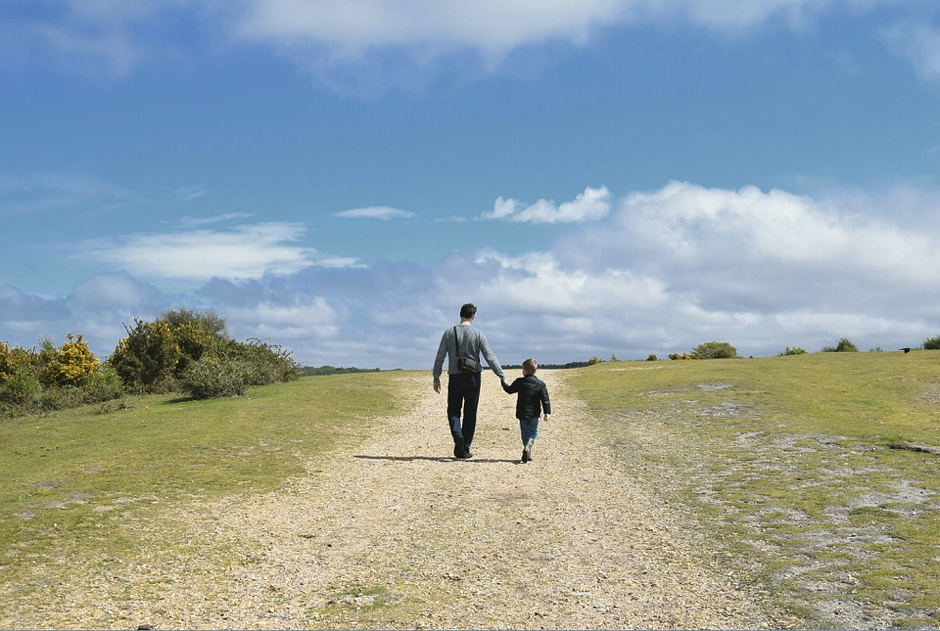
I watch a father walk his son to school. They make a lovely
picture. The small boy, chatting away like a little sparrow, trotting to keep
up with his dad’s longer strides. Nodding and smiling in response, the man
trusts his dog to guide them along the busy pathway and stop outside the school
gates.
picture. The small boy, chatting away like a little sparrow, trotting to keep
up with his dad’s longer strides. Nodding and smiling in response, the man
trusts his dog to guide them along the busy pathway and stop outside the school
gates.
“Bye, son.” The man’s hand brushes
across the top of the boy’s head, his sightless eyes full of love.
across the top of the boy’s head, his sightless eyes full of love.
“See you later, Dad.”
I write this attempting to avoid the
word ‘blind’ not because it is in anyway shaming or disparaging but because I
want to paint a description of the man and his character and not his
disability. In fact, why should I even mention ‘sightless eyes?’. I want my
readers to know this man is an amazing dad in spite of his visual impairment. But,
what I wrestle with is this: why should I even mention it?
By not mentioning it, I feel I am
treating the disability as a disease. Something that should not be referred to,
something that is shameful. But by mentioning it I am at risk of diminishing the
man in some way or, even worse, defining him by the disability.
treating the disability as a disease. Something that should not be referred to,
something that is shameful. But by mentioning it I am at risk of diminishing the
man in some way or, even worse, defining him by the disability.
The truth is, while I recognise the
tall, handsome man’s love and interest for his son, I’m in awe of him. It’s his
disability that places him even higher in my opinion of him. He’s overcome the
challenges of being blind and is living a full and purposeful life.
tall, handsome man’s love and interest for his son, I’m in awe of him. It’s his
disability that places him even higher in my opinion of him. He’s overcome the
challenges of being blind and is living a full and purposeful life.

I shudder even as I write those words because they sound so
condescending but I really don’t mean to be. I believe passionately that all
people should be treated with respect and equality. Every person is made in the
image of God and should be treated as such. Society is slowly coming around to
agreeing with this but sadly we still have a way to go.
condescending but I really don’t mean to be. I believe passionately that all
people should be treated with respect and equality. Every person is made in the
image of God and should be treated as such. Society is slowly coming around to
agreeing with this but sadly we still have a way to go.
My daughter is diagnosed with a severe disability but I don’t see her as ‘disabled’. I prefer the word ‘enabled’. I define her by her character
and by the things that make her the adorable human being she is; her goofy
smile, her delicious giggle, her love for others, her appreciation of music and
dance etc. etc. To simply describe her as ‘the girl with additional needs’ is
just not adequate, neither is ‘that blind dad’.
and by the things that make her the adorable human being she is; her goofy
smile, her delicious giggle, her love for others, her appreciation of music and
dance etc. etc. To simply describe her as ‘the girl with additional needs’ is
just not adequate, neither is ‘that blind dad’.
So where does that leave us as
writers? Should we even think about it? Am I making too much fuss? After some
thought, I think, basically, it’s this:
writers? Should we even think about it? Am I making too much fuss? After some
thought, I think, basically, it’s this:
No person should be defined by anything other than who they
really are; their soul substance, the stuff that makes them tick, the person
God created them to be and, as writers, perhaps we have the responsibility to ensure
that everyone is respected in this way.
really are; their soul substance, the stuff that makes them tick, the person
God created them to be and, as writers, perhaps we have the responsibility to ensure
that everyone is respected in this way.
Originally written by Nikki E Salt

