
I am learning to be a mentee. As a teacher, I’m used to mentoring others.
But this time I’m the one who has to sit down, shut up, listen and learn.
But this time I’m the one who has to sit down, shut up, listen and learn.
I find the sitting down bit the easiest.
Q. Why a mentee?
A. Earlier this year, I joined a programme run by Writing
West Midlands called Room 204. It develops ‘emerging’ writers, offering a
year’s training, opportunities and mentoring.
West Midlands called Room 204. It develops ‘emerging’ writers, offering a
year’s training, opportunities and mentoring.
Q. Why is it called Room 204? Is it like Room 101 in Orwell’s
1984 with rats and everything?
1984 with rats and everything?
A. Writing West Midlands is run from Room 204 in its office
block. There are no rats, although there is a mouse on each office desk.
block. There are no rats, although there is a mouse on each office desk.
Q. Who is mentoring you?
The Room 204 programme offers three meetings with the
programme’s director: a writer himself, but also a strong advocate for new
writers.
programme’s director: a writer himself, but also a strong advocate for new
writers.
Q. Have you had your first meeting?
Yes. Meeting 1 took place in a coffee shop, one of those
with Pretensions. The milk came in minuscule bottles and the leaf tea was served
in a teapot masquerading as a piece of puzzling technology. I finished up with
the leaves in my cup. I was already embarrassed and the mentoring hadn’t even
begun.
with Pretensions. The milk came in minuscule bottles and the leaf tea was served
in a teapot masquerading as a piece of puzzling technology. I finished up with
the leaves in my cup. I was already embarrassed and the mentoring hadn’t even
begun.
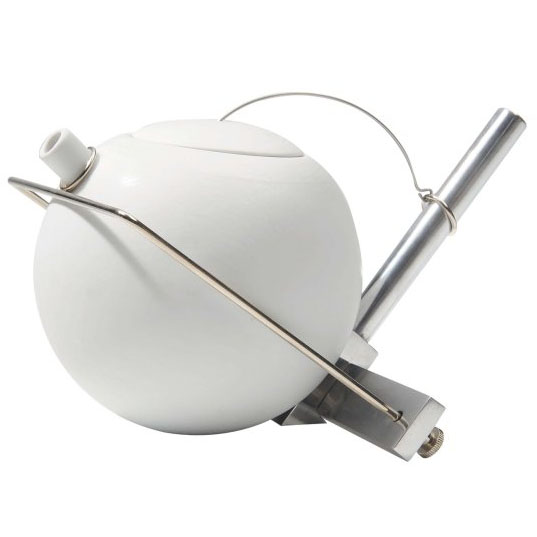 |
| How do I drive this thing again? |
Another thing: traditional English breakfasts were served only at the
weekends, and this was a Tuesday. Much of the weekday menu featured items
drizzled in maple syrup and faux sophistication. My mentor had Something with
Egg on Top which looked like a surrealist painting.
weekends, and this was a Tuesday. Much of the weekday menu featured items
drizzled in maple syrup and faux sophistication. My mentor had Something with
Egg on Top which looked like a surrealist painting.
The other customers were either young, trendy professionals
who could operate fashionable teapots, or babies in state-of-the-art buggies, accompanied
by their early twenties mothers in gym wear who’d lost their baby weight before
they left the delivery room.
who could operate fashionable teapots, or babies in state-of-the-art buggies, accompanied
by their early twenties mothers in gym wear who’d lost their baby weight before
they left the delivery room.
Despite all these potential physical and psychological
barriers, I found Meeting 1 a turning point.
barriers, I found Meeting 1 a turning point.
Q. Why was it a turning point?
A. I’d never talked for an hour about my writing life with
someone who knew nothing about me as a person. He began by saying, ‘Tell me
about your writing and what kind of writer you think you are.’ As I rambled, he
listened, made a few notes, said ‘hmm’, and asked occasional probing questions.
someone who knew nothing about me as a person. He began by saying, ‘Tell me
about your writing and what kind of writer you think you are.’ As I rambled, he
listened, made a few notes, said ‘hmm’, and asked occasional probing questions.
Q. What happened next?
A. I had an epiphany, which tasted a lot better than his
Something with Egg probably did.
Something with Egg probably did.
Q. How come an epiphany?
A. I realised why I’d always had trouble describing what I
did as a writer. This is because, after my long ramble, he picked gentle holes
in what I’d said, how I’d defined myself, and how I was ‘marketing’ my work. He
challenged the writer identity I’d created. What
do you mean, you’re a comedy writer? I thought you said your serious writing
often got the most positive feedback? Why do you say you want to write a comic
novel? Why not just write a novel and let people decide whether it’s funny? Don’t
over-define yourself like that. Why a comic poet? Didn’t you say you won that
prize for a serious poem? Why are you trying to pigeonhole yourself as a
certain kind of writer, especially when you write in different genres and
styles? No, that doesn’t make you a less effective writer. That makes you more
effective. You don’t have to have a label.
It was like therapy. I realised that having someone from
outside my usual circles invite me to talk about myself as a writer – someone who
really listened and didn’t yawn or look over my shoulder – was freeing.
outside my usual circles invite me to talk about myself as a writer – someone who
really listened and didn’t yawn or look over my shoulder – was freeing.
So, I’d recommend it, especially if you’re struggling with
your writing identity or the way forward. Find another writer who doesn’t know you from
Adam or Eve personally. Talk about yourself, then ask them what they heard.
your writing identity or the way forward. Find another writer who doesn’t know you from
Adam or Eve personally. Talk about yourself, then ask them what they heard.
One tip: prepare to be challenged.
Another tip: go to a café with proper teapots.
Originally written by Fran Hill

