
 I’m
starting to feel old. Our eldest got married last year. Married! It feels like only five minutes since we brought him home from the
hospital, wondering if we were up to job of caring for this tiny scrap of
humanity with the lung capacity of a budding opera star.
I’m
surprised our postman didn’t go off sick with a bad back. For the next couple
of weeks we were inundated with cards and presents: cute little outfits (mostly
in varying shades of blue), teddy bears twice the size of our son, rattles
designed more with the fist of a sturdy two-year-old in mind.
surprised our postman didn’t go off sick with a bad back. For the next couple
of weeks we were inundated with cards and presents: cute little outfits (mostly
in varying shades of blue), teddy bears twice the size of our son, rattles
designed more with the fist of a sturdy two-year-old in mind.
Along
with the piles of welcome goodies came reams of advice, some of it not so
welcome. Make sure you put him down on his back / front. Establish a
four-hourly feeding routine / let him feed on demand. Put him on the potty
from day one (really?) or let him do things at his own pace.
with the piles of welcome goodies came reams of advice, some of it not so
welcome. Make sure you put him down on his back / front. Establish a
four-hourly feeding routine / let him feed on demand. Put him on the potty
from day one (really?) or let him do things at his own pace.
There’s
lots of advice on offer when it comes to my writing, too. One of the things
I’ve appreciated about being part of the Association of Christian Writers is
the number of people who are willing to support and encourage me – as well as
give constructive criticism – as I seek to hone my skills. So I’d like to
thank…oh no, that’s my Oscars speech.
What
I’ve noticed, however, is that not all writers take the same approach. Some
have an idea in their head and simply run with it. Others – more methodical –
seek to identify a gap in the market and then tailor their work accordingly. A
recent article I came across suggested that writers tend to be planners or pantsers (and that sometimes it’s helpful to switch from our normal
way of doing things).
Reflecting
on this has caused me to take a step back and consider. Do I prefer a planned
or spontaneous approach? Who am I really writing for…and how can I ensure it
reaches them? How can I make sure my manuscript is the best it possibly can be?
Have I checked it for speeling misstakes and grammatical, errors?
All
of these are important questions, and how I respond will influence the
progression and impact of my writing. But for me, there’s something more
fundamental: Am I writing to glorify God? This is not about building a
readership, targeting a particular publisher, or even writing a piece for the
church magazine. It’s about me and God. It’s about seeking to honour him in the
way I live. And so every word that I commit to paper (or screen) should first
of all be written for an audience of One.
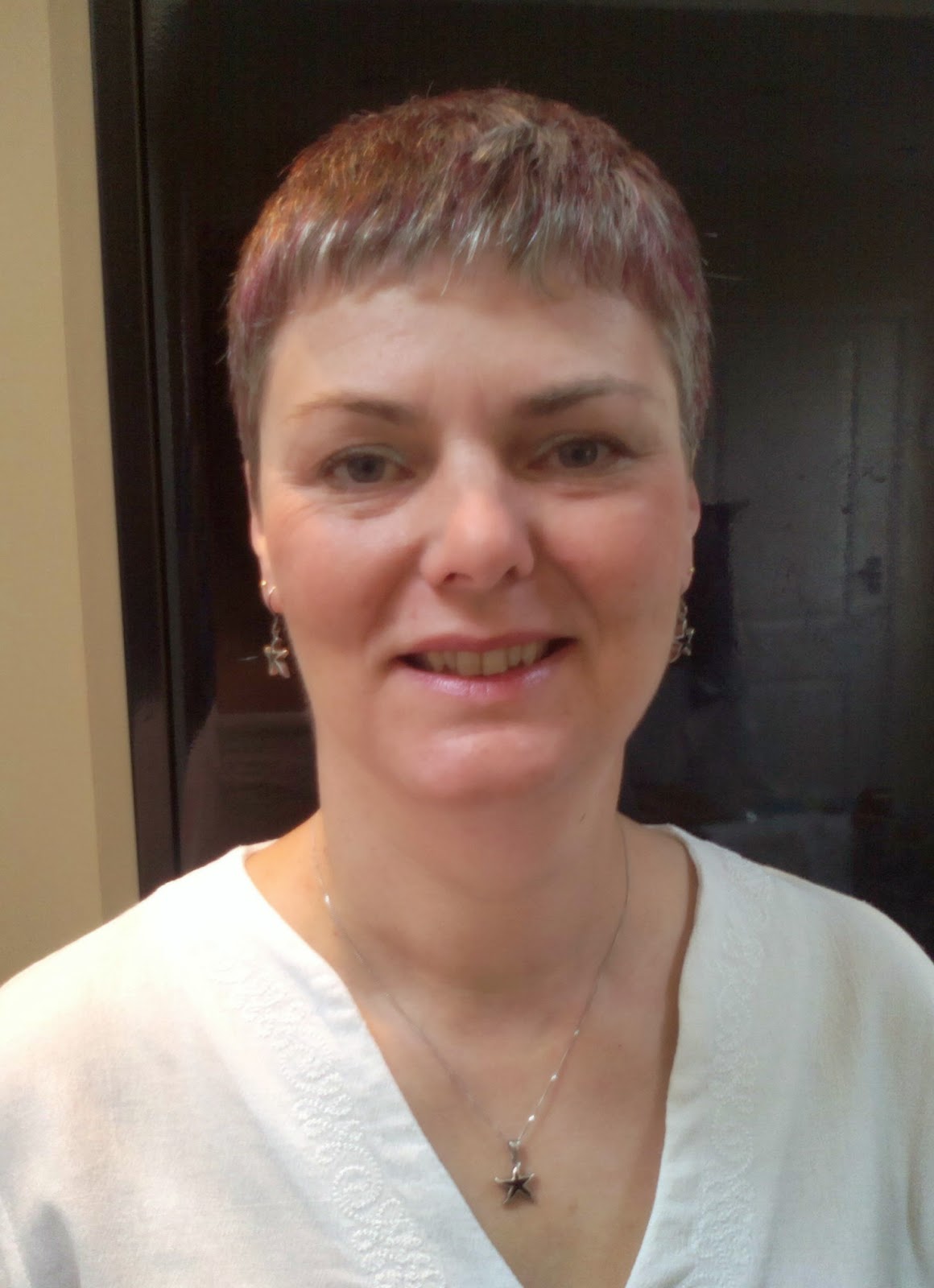 Fiona
Lloyd
works part-time as a music teacher, and serves on the worship leading team at
her local church. She enjoys writing short stories, and is working on her first
novel. Fiona self-published a violin tutor book in 2013, and blogs at www.fjlloyd.wordpress.com. She
is married with three children. Fiona is ACW’s membership secretary.
Originally written by Fiona Lloyd

