
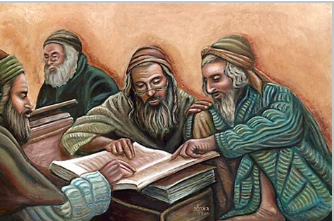
Last week, Brendan
Conboy raised with me on his Creative Christians Chat Show Podcast the issue of whether it is okay to write midrash. He wasn’t sure it was kosher.

Midrash is a Hebrew
word that means from (mi) exposition (drash) It is putting flesh
on the Bible’s bare bones. It’s not surprising that the Bible is skeletal,
given the work and cost of handwriting on vellum in ancient times. Midrash
explains and deepens the text.
SINCE ANCIENT
TIMES
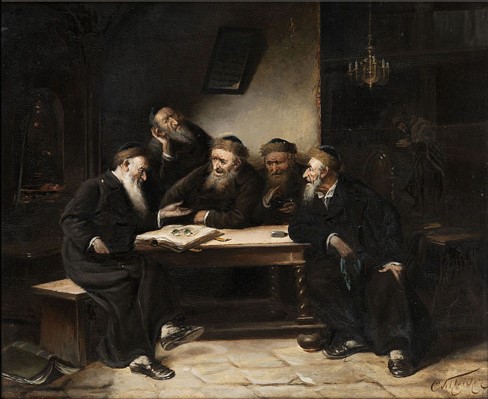
It can take the form of
commentary or story. Midrash actually goes back to ancient priests, rabbis and
scribes who, through the centuries, have hotly debated and interpreted every line
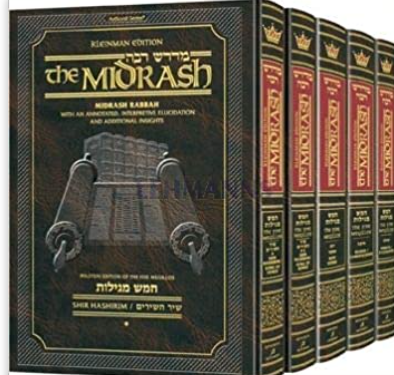
of the Bible, initially orally but written down in what would become a wordy
collection of tomes in the 2nd century AD.
Christians have also long
debated texts and their meanings, with midrashic apocryphal stories emerging,
such as Mary Magdalene who was long portrayed as a penitent prostitute, without
any biblical evidence for this assumption.
Midrash may appear to
be a current trend. Here are some current and upcoming offerings:
· I am writing Messiah’s Mother,
about Mary’s painful journey to disciple (see Acts1),
·
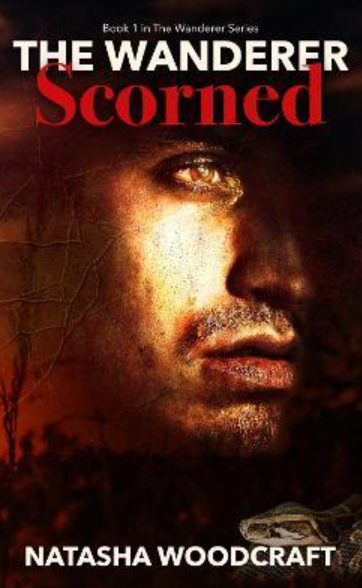
Natasha
Woodcraft is publishing The
Wanderer Scorned about Cain and Abel,
·
Caroline
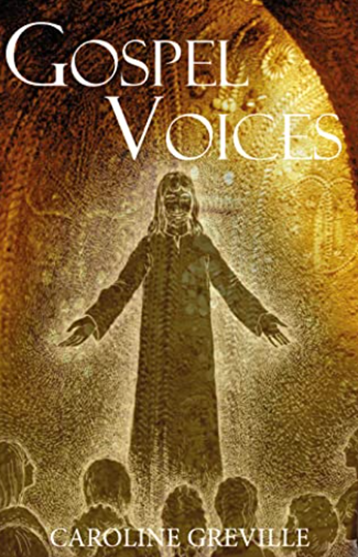
Greville’s book Gospel
Voices is about early Christians in Jaffa who knew Tabitha, raised from
the dead by Peter in Acts 9.
(All three of us are ACW members. Brendan, too, BTW.)
A SIN?
Some might call it a
sin to try to make sense of the holy Word of God by creating characters such as
Natasha, Caroline and I are doing, or as the popular movie series The Chosen is doing.
We all call our
offerings fiction. Once you take a real person and calc emotions and positions
on them, you have no other choice. It is okay to do this?
My answer, when Brendan
questioned me out of the blue about midrash was that it has always existed and
is not some new violation of sacrosanct text. I suppose I assumed that was
enough: as someone with a Jewish background, I jumped to the conclusion that
Jewish ‘men of the cloth’ of old had authority. If they could do it, then it
was alright for me.
Not every Christian is
going to agree with that. What do you think?
TAKING A POSITION
I think midrash can
take us deeper into a narrative, giving us more empathy for the plights and
delights of the characters. Whether through the medium of prose, poetry, devotional
or film, midrash opens the story world and ancient culture, so we can put
ourselves there.
We have to take a
position. We may not say in the middle of a story that maybe a character did
this or that. People may not agree with our choices, but our aim is that the reader/viewer
should be stimulated to consider their own view.
We may smash some
assumptions. Here are a couple of popular examples with possible alternative interpretations::
·
In the
Old Testament, Miriam and Aaron deplore Moses’ Cushite wife, (Num.12). The
assumption is they were racists because Cushites were black. However, Cushites
were famously successful and wealthy, (like, much later, the slave of the
Candace in Acts 8). Perhaps Miriam and Aaron saw Moses as marrying too far above
his station?
·
The Samaritan
woman whom Jesus brought to faith in Himself at the town well (John 4) may have
been more unfortunate than a slut. The man she was living with was not her
husband: he may have been some relative shouldering responsibility for her
since she had the misfortune to be a widow many times over: “You have had five
husbands,” (Jo 4:17-18). This interpretation makes more plausible her knowledge
of Samaritan and Jewish theology and the fact that the town listened and acted
upon her invitation to, “Come see.”
When Natasha, Caroline and
I take a position about how people acted and felt as well as about their
surroundings back in the day of the Bible, we do so thoughtfully, so that the Bible’s
message becomes three-dimensional and more deeply understood.
To me, what is most
important about discovering and sharing my take on Jesus’ time is the
opportunity to draw my readers closer to the marvelous human being the Son of
God on earth was. That is what fires my quest to write about Mary.
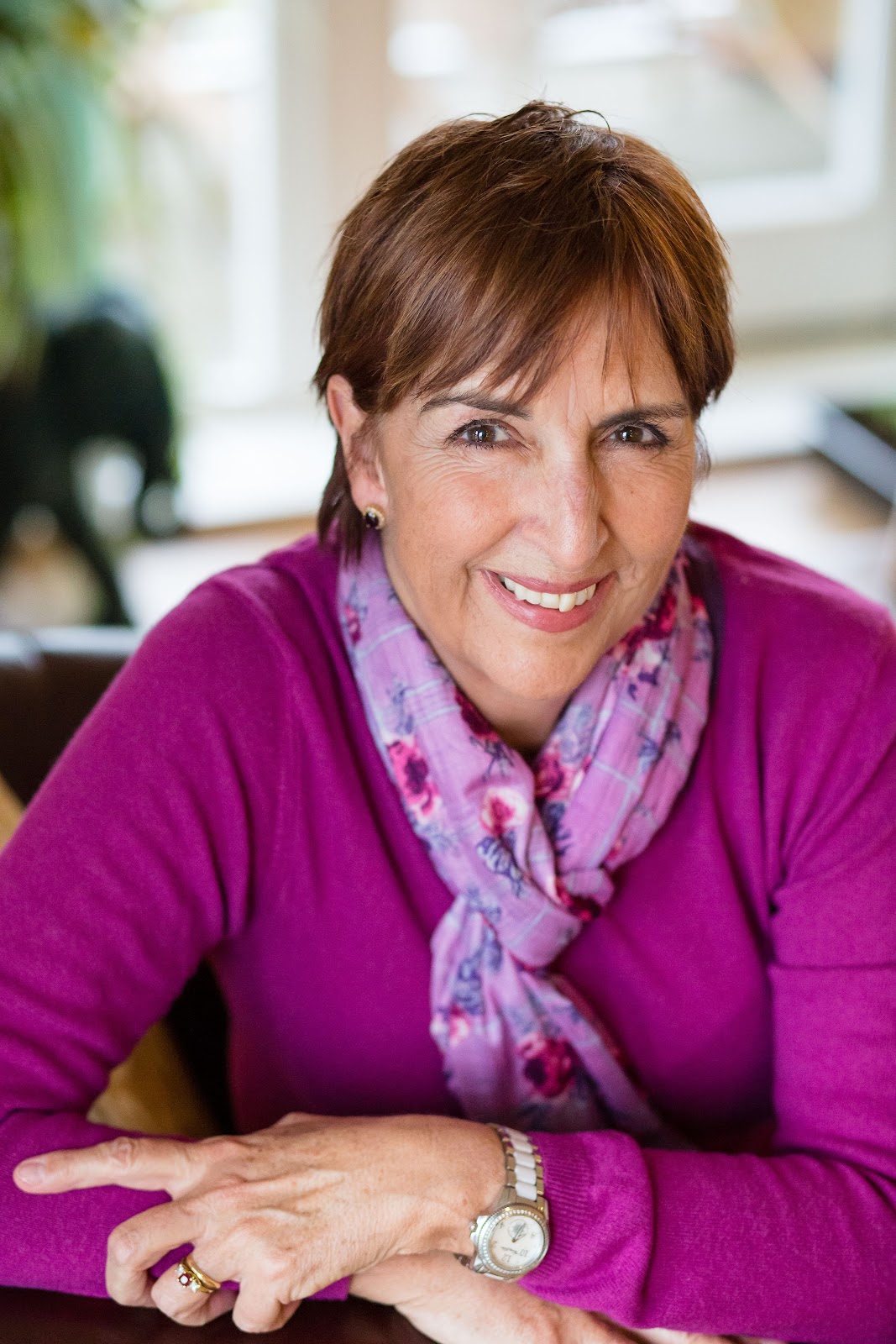
Bobbie Ann Cole is a Christian
writer, speaker and teacher. Get on the
list to receive notifications about her forthcoming Mainly About Mary blog.
Find out more about her bestselling books, courses and coaching to help you write the
book God has put on your heart at http://bobbieanncole.com/.

