
In 50, 100, or 150 years’ time, how will a future society view what we have written?
Fifty years after my death, if someone suggests putting my face on a coin to commemorate my genius ;) will the Royal Mint find a reason not to? (I can think of several, but I think my criteria might be different from theirs.)
That’s what’s happened, according to the news, in the case of Enid Blyton. Because she is now judged by some to have had racist, homophobic and sexist views, reflected in her children’s fiction, the Royal Mint has decided she is not a suitable coin candidate.

Plenty on Twitter are outraged. They point out that Blyton, above so many others, has contributed to children’s enthusiasm for reading. We shouldn’t condemn her, they say, because even if some of her attitudes are clearly repugnant to society now, in her day the views were commonplace and unremarkable. After all, where would this stop? So many other authors reflect exactly those attitudes and no one’s vilifying them. Why should she be singled out? She’s sold 600 million books – surely that tells us something?
Other Blyton fans also cite the example of George in the Famous Five. Was she the first ‘trans’ character in children’s books? Was Blyton in fact progressive?
The anti-Blyton-coin commentators, however, point out that just because she was writing in the 20th century doesn’t make those attitudes acceptable by any means and, even if she’s been popular for so long, isn’t it time to call her out for her prejudices and the way they may have influenced generations of readers negatively?
In any case, others mention that in Blyton’s lifetime, some of her work was rejected because the literary scene detected some of those unacceptable views. A story she wrote in 1966 about an ugly black doll was objected to by newspapers. And this Independent article explains that ‘even at the height of Blyton’s fame, in 1960, the publisher Macmillan rejected the manuscript for the novel The Mystery That Never Was, on the grounds that “there is a faint but unattractive touch of old-fashioned xenophobia in the author’s attitude to the thieves: they are ‘foreign’ … and this seems to be regarded as sufficient to explain their criminality”’.
The same article goes on to discuss the controversial ‘golliwog’ character and other aspects of Blyton’s work that have been dropped or altered along the way.
I’m not sure what to think, if I’m honest. Perhaps I agree with those who say, let’s honour her skill in persuading many children to read who would otherwise not have, but not commemorate her in such a public way, bearing in mind strong public opinion on some of her views.
On the other hand, as a child, I memorised whole passages from her books and they served as comfort in what was my chaotic, traumatic household. I fantasised about having a loving home, a mother who made scones and doled out ginger beer. One day, that would be me. Blyton made it seem possible.
If you were in charge of the Royal Mint, what would you do?
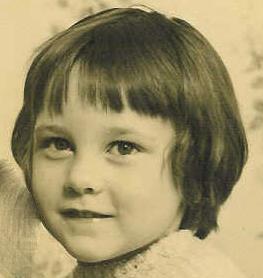 |
| Me at 3. I was learning to read by this time, so my Blyton days would have already begun. |
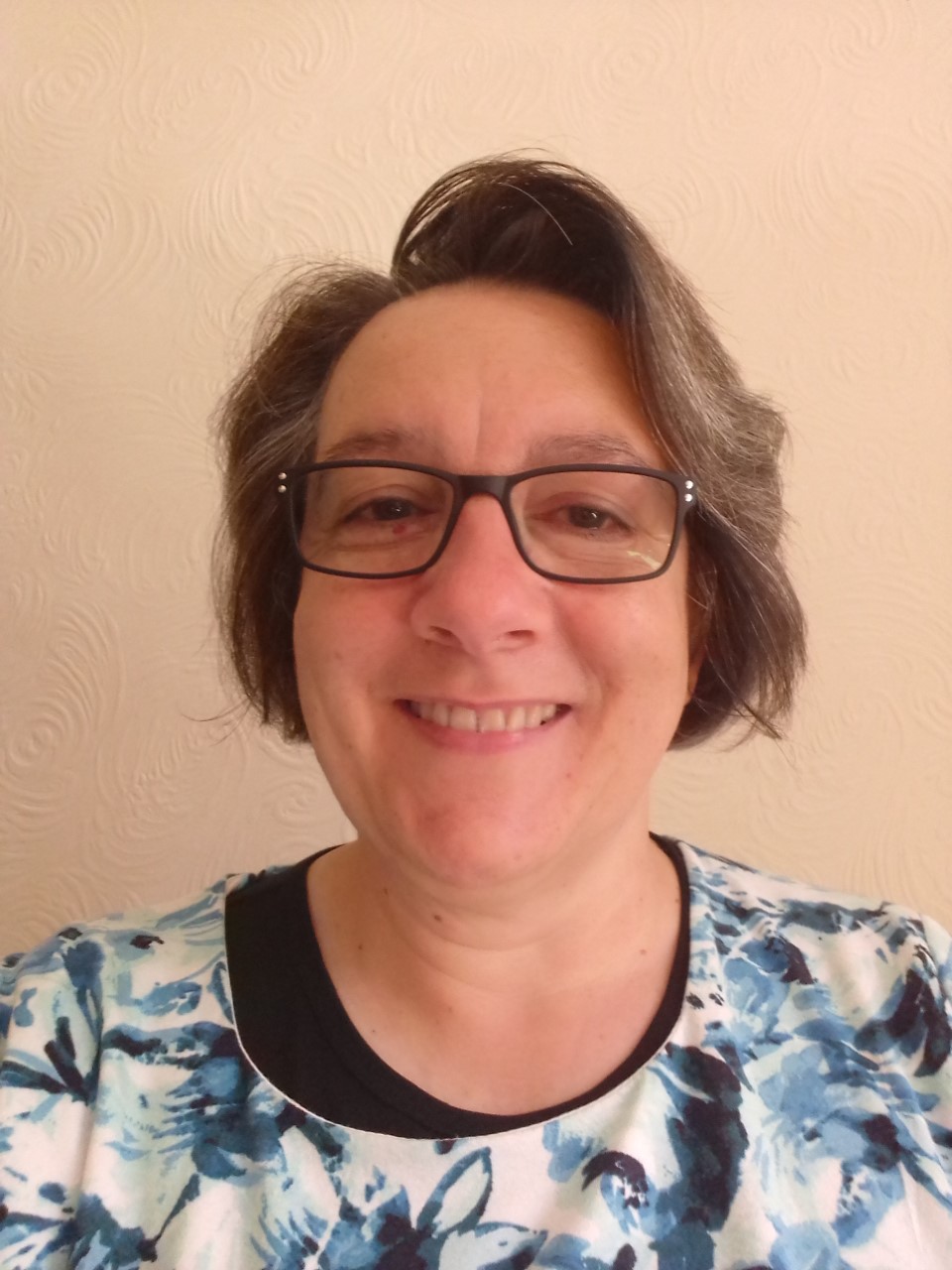 |
| Me just a few years later …. |
Fran Hill is a writer and English teacher based in Warwickshire. Her new book ‘Miss, What Does Incomprehensible Mean?’ is a memoir of one year in a teacher’s life and is being published by SPCK in 2020. You can find out more about Fran and her work at her website right here

