
I’m writing my dissertation proposal this semester, the
formal submission on which I will be marked for my Business of Writing module
and the foundation for the rest of my MA. It’s a formal document with set
sections:
1.
Abstract/Project Description
2.
Research Methodology
3.
Research Context
4.
Ethics Protocol
5.
Analysis of Intended Dissemination Outlets/Professionalisation
6.
Bibliography
7.
Work in Progress
I’m planning a collection of visual poems called ‘These
Three Things Remain’, an exploration of how faith, hope, and love remained and
sustained me during a difficult period.
I’ve been working on the Methodology section this week, i.e.
how I plan to research my subject. For a start, writing the actual poems counts
as research – Research in Practice. But there’s much more material I can dig
into to inform what I write.
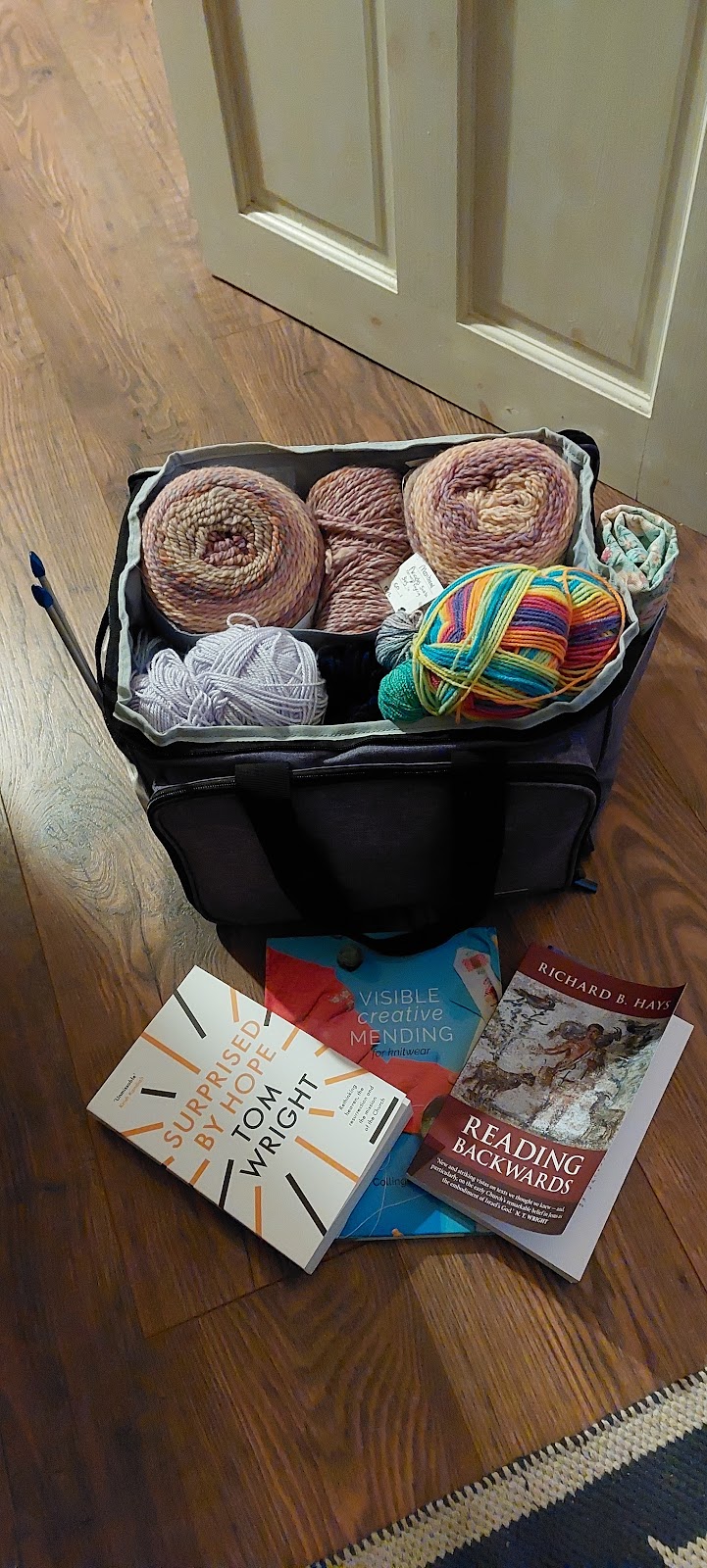
There is the more traditional research method: reading. I
need to study the theology of faith, hope, and love, for example, as well as commentaries
on particular passages and verses. Or this week, I’ve been editing a poem using
a metaphor of rock sedimentation so I’ve been reading geology articles (and
discovering a host of technical words to enrich my piece).
Research is also online: the Museum of the Bible is proving
a rich resource for illustrated manuscripts which seem to me to be a historical
precursor to the multimedia work I am attempting, with the same aim of
enhancing communication of faith. I’m hoping to visit the British Museum and
The Box (a museum in Plymouth) to see some of these in the flesh too. Or should
that be, in the vellum?)
There’s also very personal research: I’m using my own prayer
journals to go back to the experiences I’m writing about, as well as my dad’s
sermons and my son’s songs. I’m looking at artefacts: Dad’s genealogy records,
Mum’s recipes. I’m collecting lyrics that spoke to me during the time too.
Everything from One Republic to Caedmon’s Call. Some of my poems will be ‘found
poems’ made up of lines and phrases from different sources like these.
There’s technical research too. Learning new knitting
patterns (for a prayer shawl piece). Quilting. How to build a modern sand
clock. The anatomy and physiology of mental illnesses.
The final piece of the research puzzle is bringing my poems
to others to critique. It’s easy to be myopic about our own work so we miss the
flaws, the bits that aren’t clear for those who don’t know the context, the
parts that don’t make sense. We can also not recognise what works well either.
Criticism can be hard to hear, silence even worse. But it is a necessary part
of the process to make our work the best it can be, to show us the things we
can’t see. To paraphrase her manager in The Marvellous Mrs Maisel, we all bomb
and we will continue to bomb but it’s all part of the process.
It’s one of the things I’m learning through this degree –
how going the extra mile with research, and not just relying on instinct –
improves my work. Research is wide ranging and can even be joyful. There are a
lot of rabbit holes to fall down too but who knows when a random fact or event
may come in useful in a future project, if not the current one?
But whether we’re doing an academic course or not, we all
want to do the best job possible. We all need to do our research.
What research do you do (in its widest sense)? What’s the research
you’ve enjoyed the most? What’s the most fascinating random thing you’ve
discovered but are yet to use? I’d love to hear in the Comments.
(*”What is research but a blind date with knowledge?” Will Harvey, American software designer and entrepeneur)
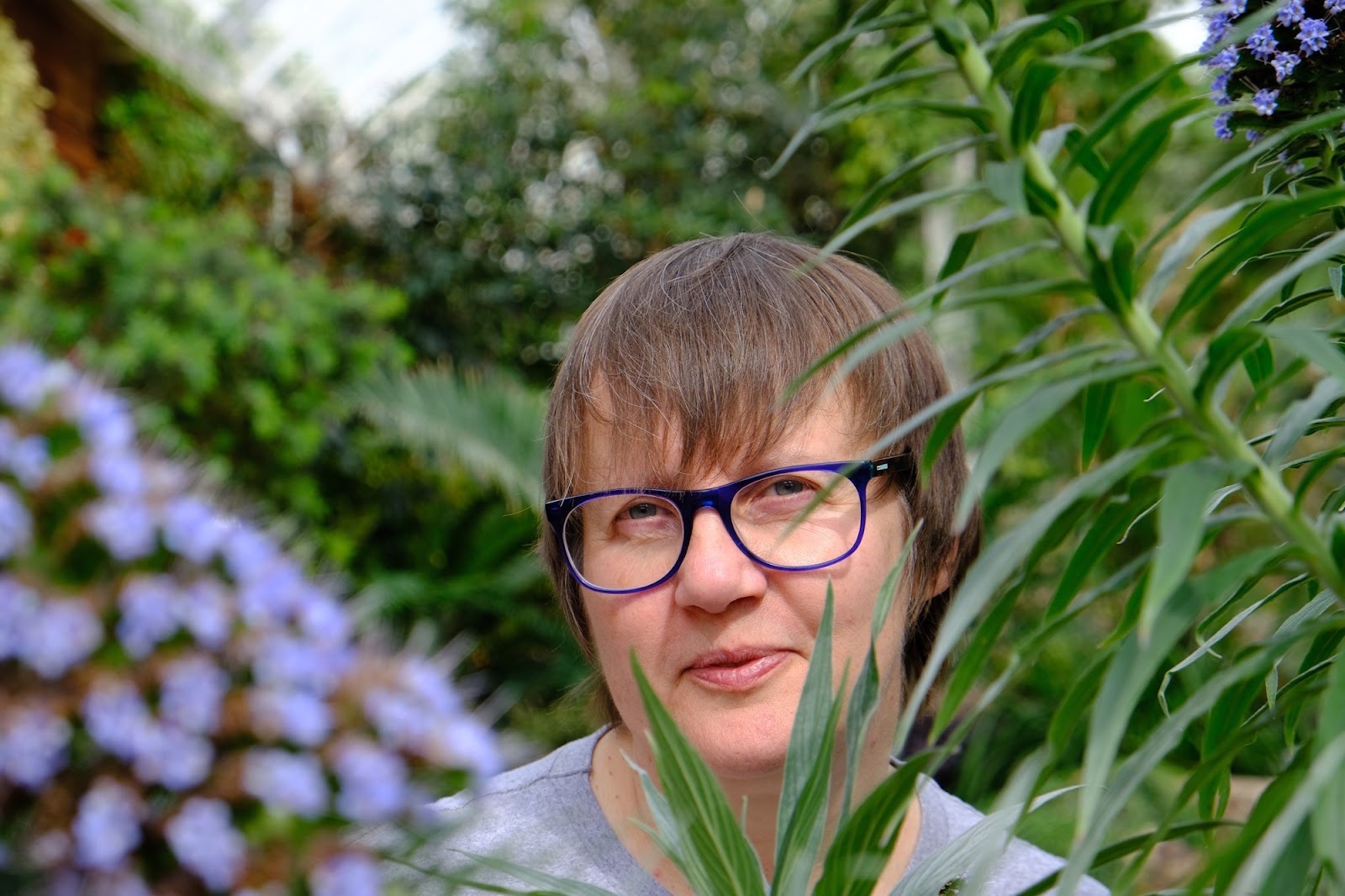
Liz Manning lives in Cornwall and is doing a Creative
Writing MA at Plymouth University, where she’s exploring fiction, poetry, and dramatic
writing possibilities. She hopes to have something ready for publication (or
exhibition) by the end of the academic year.
She blogs regularly at https://thestufflifeismadeofblog.wordpress.com/

