
Who hasn’t said,
at some point, ‘I wish I knew what my washing machine was thinking.’?
at some point, ‘I wish I knew what my washing machine was thinking.’?
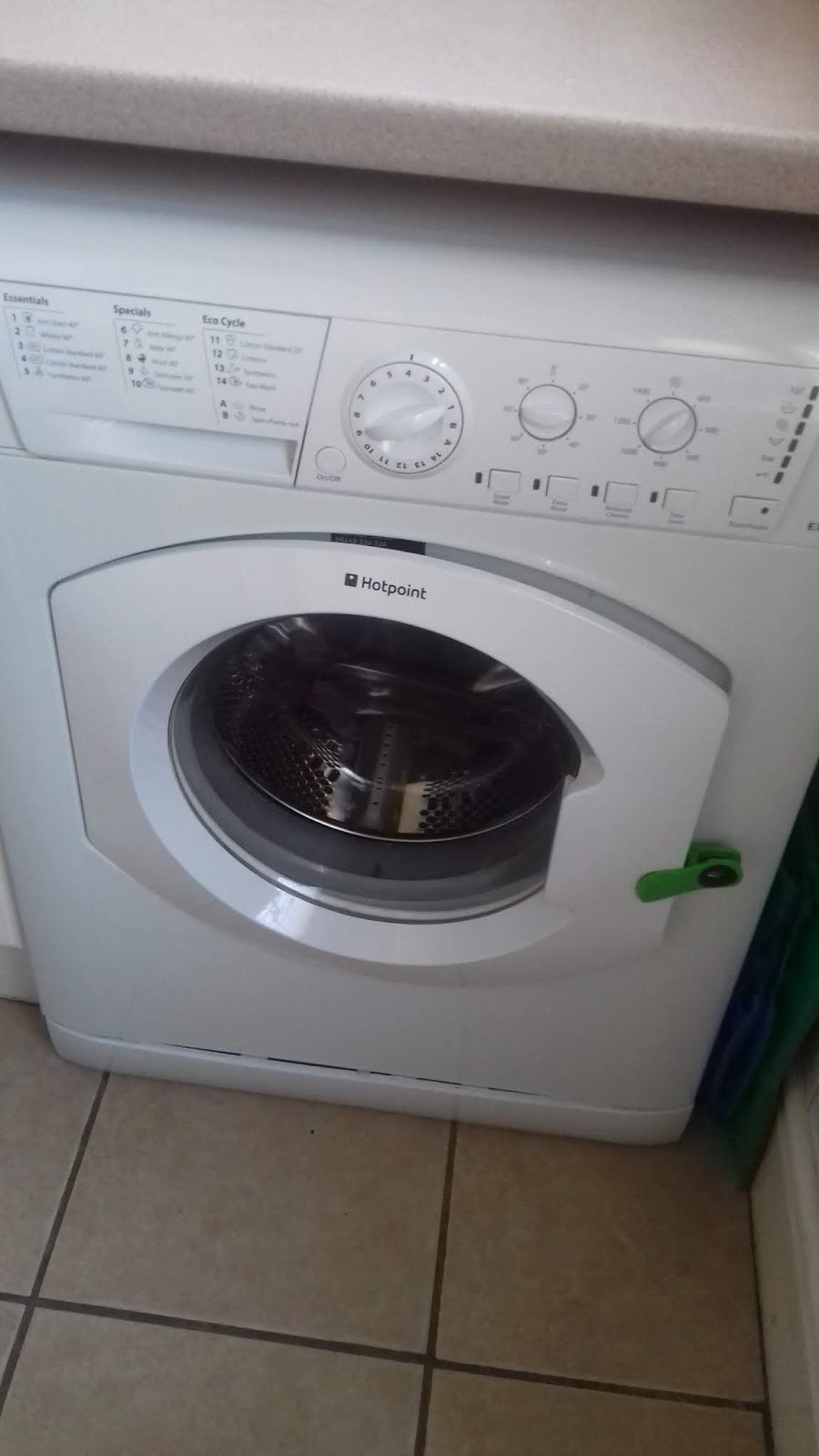
Here I am to tell you how to find out, with a writing exercise that helps you to do so.
Writing about inanimate objects is one of my favourite ways
to produce a piece of writing that, ironically, ends up with something to say
about the human condition.
Why not have a go?
Step 1.
In the poem, Plath gives a voice to the mirror into which a
woman looks. The mirror describes how it feels, being ‘rewarded’ daily by a
woman in despair who is never happy with her reflection, and angsts about the
ageing process. But I am objective, claims the mirror. I just do my duty.
Still, the woman complains about me! What’s a mirror to do?
woman looks. The mirror describes how it feels, being ‘rewarded’ daily by a
woman in despair who is never happy with her reflection, and angsts about the
ageing process. But I am objective, claims the mirror. I just do my duty.
Still, the woman complains about me! What’s a mirror to do?
You can hear the mirror’s sense of injustice. And who can
blame it? Even a woman who looks like a terrible fish should be more grateful
for faithful service, surely.
blame it? Even a woman who looks like a terrible fish should be more grateful
for faithful service, surely.
The poem cleverly explores a woman’s fear of ageing via the thoughts
of the mirror. And that was Plath’s goal.
of the mirror. And that was Plath’s goal.
Step 2:
Choose your inanimate
object. Don’t think too hard. Your front door? A bunch of keys? The fridge?
Your phone? A cupboard? Bottle of perfume? Teddy bear? Or … your washing
machine?
object. Don’t think too hard. Your front door? A bunch of keys? The fridge?
Your phone? A cupboard? Bottle of perfume? Teddy bear? Or … your washing
machine?
You cannot choose your wife, husband or children. They do
not count as inanimate, however much you wish they would do more around the
house.
not count as inanimate, however much you wish they would do more around the
house.
Step 3:
Ask your object questions
and write down its answers. Get your object chatting and sharing.
and write down its answers. Get your object chatting and sharing.
Here are possible questions:
When did you first meet your owner?
Where are you situated and why? How do you feel about that?
When do you and your owner interact most?
What are your best and worst times of day and why?
What do you think you represent for your owner?
In what ways are you and your owner alike or different?
What would you say to your owner if you were being really
honest?
honest?
Step 4:
Reshape the object’s answers into poetry, prose or perhaps a
piece of drama. It’s up to you. You don’t need to use all the answers. Select
what seems right. Re-order the ideas to suit. See what develops.
piece of drama. It’s up to you. You don’t need to use all the answers. Select
what seems right. Re-order the ideas to suit. See what develops.
Step 5:
Share your writing with someone, perhaps in the comments
below.
below.
An example – my piece about my teacher’s planner: that indispensable diary that contains my teaching life
She hugs me to herself because she knows what would happen
if she lost me. I am her oracle, her Delphi, her reassurance. When she was a
trainee teacher in 2002, she was given an unused 2001 planner which had ‘Nigel
Bates’ written inside the front cover – trainees got the dregs – and she had to
alter all the dates herself.
if she lost me. I am her oracle, her Delphi, her reassurance. When she was a
trainee teacher in 2002, she was given an unused 2001 planner which had ‘Nigel
Bates’ written inside the front cover – trainees got the dregs – and she had to
alter all the dates herself.
So, the first time we really got to know each other was during the summer holidays before she took
up her first proper teaching post, and she kept repeating ‘My own planner, my very own planner!’ I think she had forgotten
I would represent, in the names of 180 children litanied in my registers at the
back, and in the five yawning spaces per day yet to be filled with lessons, a
job in which she would flounder like an unpractised swimmer in an irritable
sea.
She is very like me in some respects. Her favourite colour
is purple and my cover is purple; though I didn’t get a choice over this,
I’m willing to accept it in the light of her affection. Some planners are
beige and although the idea of a teacher’s planner hierarchy seems absurd, I do
think purple wins over beige, not that you’d know this from the Paris fashion
shows.
Also, like me, she has blank spaces. In her fifties now, she knows her memory
isn’t what it was, and just as she finds the sight of my many blank spaces
frightening on a Sunday afternoon, so she is afraid when a name wriggles out of
her consciousness or someone’s birthday skitters by her before she can grasp it
as she used to.
isn’t what it was, and just as she finds the sight of my many blank spaces
frightening on a Sunday afternoon, so she is afraid when a name wriggles out of
her consciousness or someone’s birthday skitters by her before she can grasp it
as she used to.
I live in the rucksack she carries to and from school each
day, squeezed in alongside Year 8 English exercise books, copies of Macbeth, and her sandwich box with last night’s
Chinese rice in it. It’s not a bad life, but I know I’ll be replaced and, in September, she’ll stroke the front of the new one, just as she stroked me once.
day, squeezed in alongside Year 8 English exercise books, copies of Macbeth, and her sandwich box with last night’s
Chinese rice in it. It’s not a bad life, but I know I’ll be replaced and, in September, she’ll stroke the front of the new one, just as she stroked me once.
That’s kind of hard to take.

Originally written by Fran Hill

