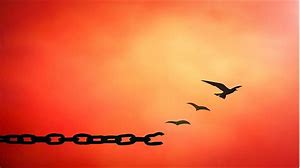
Practising Forgiveness
Forgiveness. Most of us would find it hard to discuss our
faith without mentioning it.
One of my childhood memories is my dad reading me Matthew
18:21-22: ‘Then Peter came up to Jesus and asked, “Lord, how many times shall I
forgive my brother when he sins against me? Up to seven times?” Jesus answered,
“I tell you, not seven times, but seventy-seven times.”’ It didn’t make me any
more willing to forgive my brother, but it did teach me early in life that
forgiveness is important to God.
Ultimately, as Christians, we know we need to forgive others
because it’s a command from God. If we believe He has a perfect plan for us,
then forgiveness will do us good, as well as those we forgive. It’s also hard
to deny this when Jesus himself is the greatest example of forgiveness there
is. His forgiveness of all our sins sets us free from condemnation, able to
experience life in abundance.
But few of us would say it’s easy. Where we’ve been
genuinely hurt, forgiveness isn’t something we always want to do. Forgiveness
is a risk. We might look weak, we might get hurt again. Often, it’s most
difficult when others close to us have been hurt. I like to think I find
forgiveness fairly easy these days, but in reality that’s more the case when
someone has hurt me. When a family member or close friend is hurt, it’s harder
to let go of ill feelings towards the person who hurt them.
But God commands it. He doesn’t make mistakes. We know that
we like being forgiven, whether it’s the saving grace of God forgiving us or
the people around us giving us another chance. We also know that if God wants
us to do it, He enables us to do so. He provides the Holy Spirit as a helper so
that we can be like Him.
Forgiveness is an important theme in my novel, A Silent Song.
The main character suffers rejection and trauma and has some huge things to
forgive. How is it feasible that she is able to forgive people who have caused
great harm to her and those closest to her? It’s because she learns to do it
slowly. Early on, there is a row between her and a friend. Cultural differences
and Els’ past experiences mean harsh words are exchanged. However, another
friend is able to pour oil on troubled waters by explaining the
misunderstanding and Els forgives her friend. Later in the story, Els can forgive
much bigger mistakes, which I don’t think she’d do without these earlier
experiences.
God does this too – and a lot better than I do! There are
many examples in both testaments of the Bible of people forgiving others, from
Joseph forgiving his brothers to the story of the prodigal son. These build
towards the picture of Jesus’ forgiveness and the freedom that brings. A
freedom we can show others.
It isn’t easy but forgiveness has an impact like nothing
else and this makes it worth practising.
Rebecca Seaton
mostly writes fantasy but would love to write a crime novel one day if she
could just pin down a coherent plot. She manages a behaviour recovery provision
for primary children and is on the advisory panel for Pen to Print, a Barking
and Dagenham-based initiative for supporting emerging writers. These
days, she gets on really well with all three of her brothers!