
So there we were, self-isolating on a Sunday, and investigating
going to church online. I felt we needed a questionnaire to help us, or at the
least some sort of guide. For example:
Voice: ‘Would you like traditional
or modern, Sir? What about you, Madam, laissez-faire and relaxed, or sit up
straight and don’t fidget?’
Me: ‘Er, well, perhaps something
in between, if you don’t mind.’
It was a bit like answering a rather snooty waiter, in a posh
restaurant, who was asking if we wanted our steak rare, medium, or well done, ignoring
the fact that we’re almost vegetarian.
Voice: ‘Modern music, songs written in
the latter part of your lifetime, or organ and oldies?’
Me: ‘Well, we’re not averse to either,
actually. We like both.’
something.’ He leaned closer. ‘Suck it and see. Click and collect, Madam. It’s
all the rage.’
we visited was not for us, so we flitted to the second, and
although we stuck with this one to the end of the service, neither of us felt entirely comfortable. Determinedly, we tried one last Sunday Worship. This was at St Martin-in-the-Fields,
Trafalgar Square. If only our waiter had pointed us towards this in the first place, I reckon we would have spent the whole morning smiling. The church
serves a tri-lingual community – Cantonese, Mandarin and English – and is effortlessly multi-cultural and all-inclusive. We felt welcome, part of something bigger than ourselves, part of a church that is out-reaching and looks after the poor and the homeless.
We felt blessed to join in with this service on the day
they were celebrating St Martin’s Day, and to hear again the story of St Martin,
who in 337 AD, noticed a shivering beggar on the streets of Amiens. He jumped
down from his horse, took off his soldier’s cloak and sliced it in half with
his sword. Then he wrapped half around the beggar and the other half around
himself before remounting. I learnt that this kind of caring for the disadvantaged was not widespread in the 4th century. Extremely rare, in fact. The Christian community at St
Martin-in-the-Fields is now committed to following Martin’s example (not by slicing up their cloaks, obviously).
I think we’ll be visiting StMartins.digital again.
Sharing
thoughts that lingered after going to church on the sofa
Christians are all gloriously different, and there are many ways
in which people worship God together. What suits one person may not feel like
‘home’ to another. My snooty waiter would probably comment, no doubt with a sniff, ‘If
you don’t fancy the steak, we have lesser options.’
Ignore him. After all, tastes are different. One is not better than another. Similarly every way of worship is valid and of equal worth.
What if the same
applies for people of other faiths, too?
For some
time I’ve been thinking about the following quote, from John Shelby Spong who
died in September this year. He was the Bishop of Newark, New
Jersey, USA, from 1979 to 2000. He wrote:
‘God is not a Christian, God is not a Jew, or a Muslim, or a
Hindu, or a Buddhist. All of those are human systems which human beings have
created to try to help us walk into the mystery of God. I honour my tradition,
I walk through my tradition, but I don’t think my tradition defines God. I
think it only points me to God.’

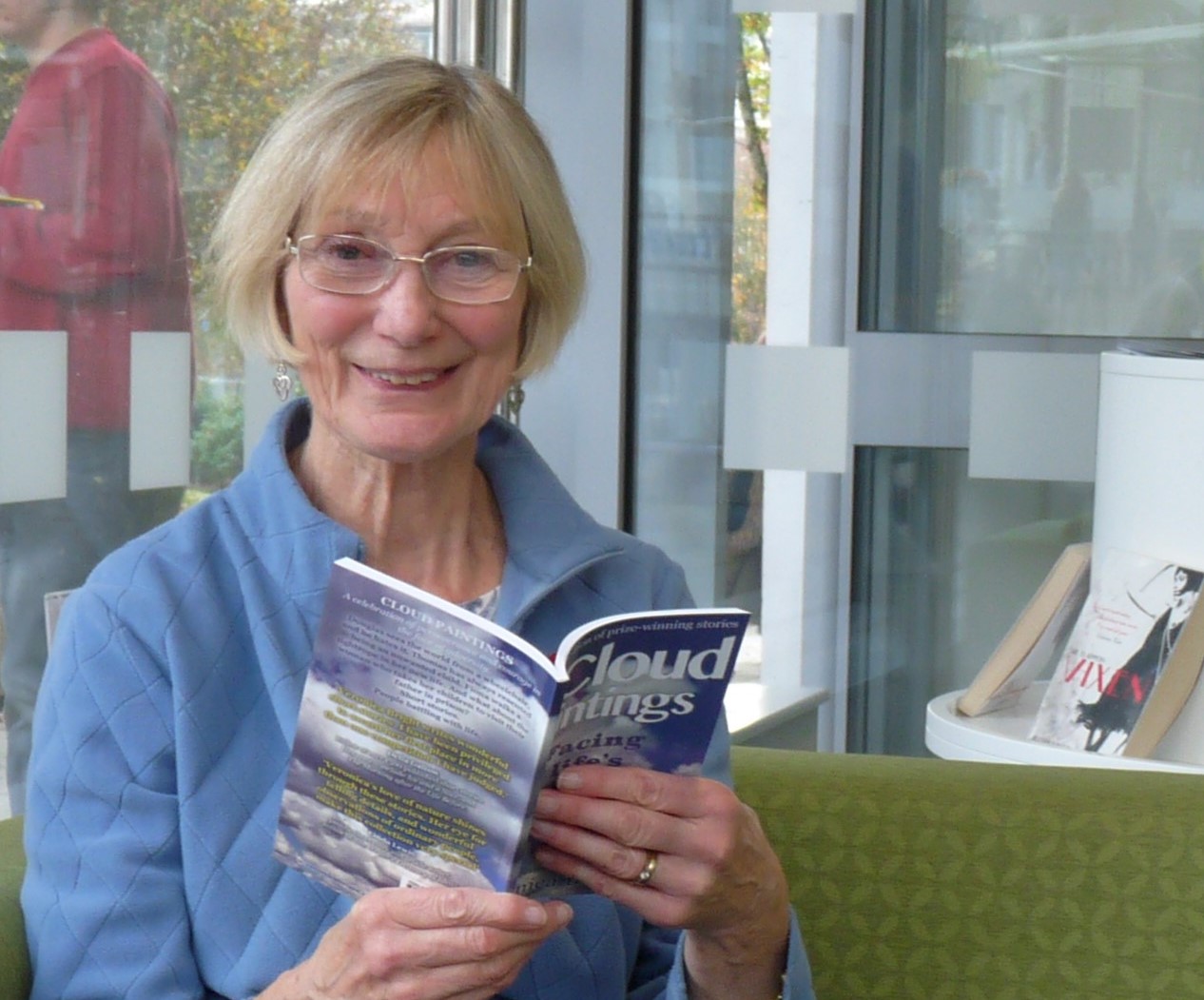
Veronica Bright is a former reception
class teacher whose pupils inspired her books of dramas for collective worship and many of her prize-winning short
stories for adults, now self-published in three collections. She has also self-published a book to help fellow-writers, called ‘How to create believable characters using the Enneagram’. She blogs monthly on her
website at http://www.veronicabright.co.uk

