
 |
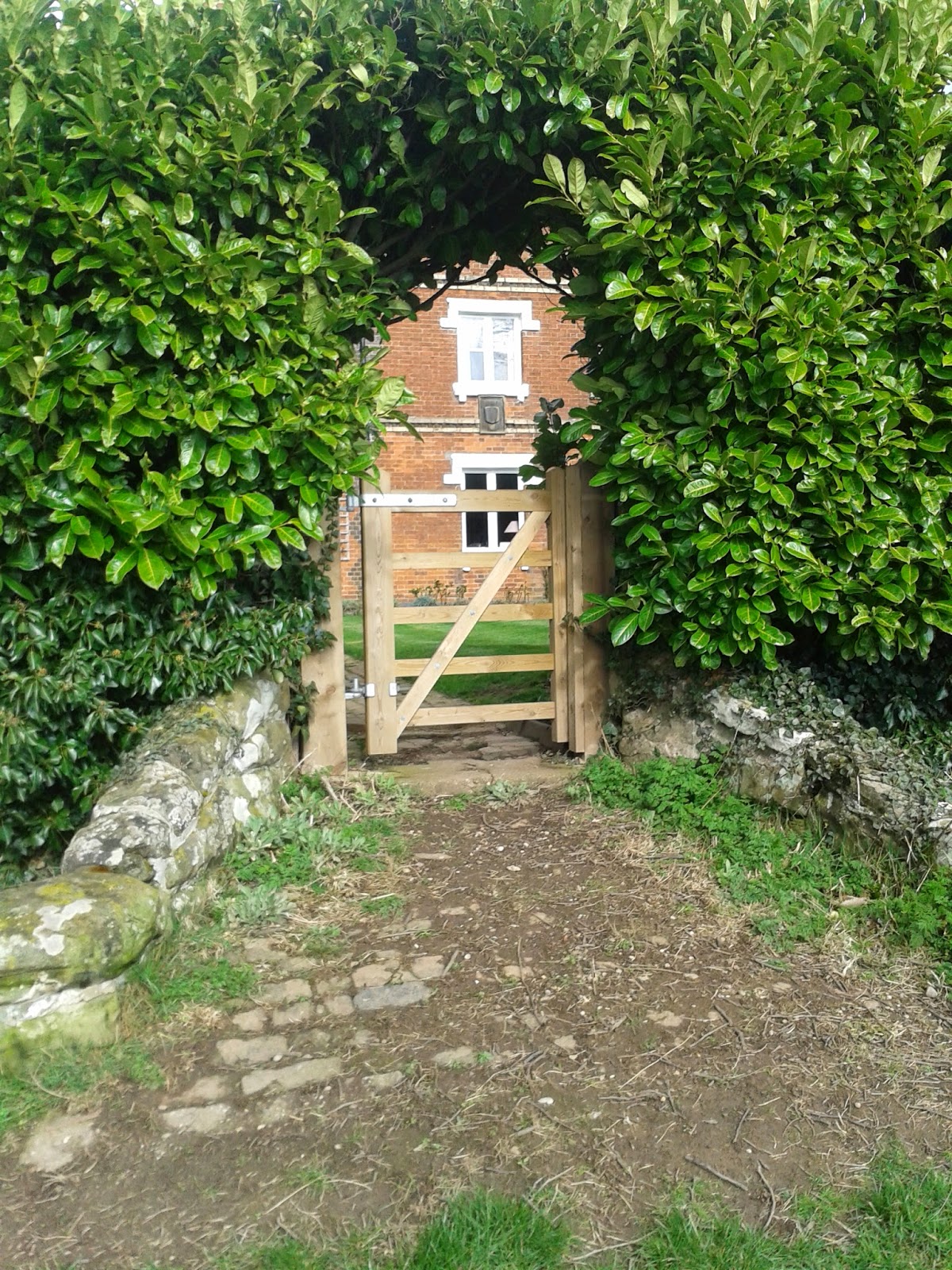
| My writing self |
Thirty years
ago when I first started working, I decided that most teachers fall into two
categories – bossy, organised types or dreamy, creative ones. I concluded quickly,
and reluctantly, that I was the latter. It was a lonely moment. There aren’t
many of us. Even today most colleagues are the sort who have shredders and put next
day’s date on the board. If I had a few extra minutes at the end of the day, I’d
be double mounting a leaf rubbing or writing a model calligram (or stuffing my
shredding pile under the bookcase). When the Head brings the chair of governors
round, I’m the one cross-legged in a patch of sunshine cutting out ladybirds. I
quickly learned though, that those who are respected in teaching, as in most
jobs, are those who are organised – they plan ahead, they meet deadlines, they
keep their word. They’ve set their emails to read “Science Co-ordinator” or “Phase Leader” under their name so they, and others, know who they are.
If there are
teaching “types”, are there writing ones? Organised/creative? Planned/spontaneous?
Down to earth/dreamy? I’m sure there are. Those who assiduously plan every detail before writing must be as common as those who launch gaily into prose, only stopping to check the odd fact when they have to. For me, the
most terrifying thing of all is writing synopses. Why? Because they tie me
down. Half the time I genuinely don’t know what’s going to happen in my story.
I might know the beginning and the end and how a character likes her hair
done. But the best bits, or at least, the bits I’m proudest of, usually take me
by surprise.
What about
you? Do you plan? Do you think about your writing when you’re on Scrivener, or
scribbling in your Writers Notebook, the one with quills on the cover? Or do
you mull over the plot while drifting off to sleep or driving? (Warning: this can
be dangerous, but fortunately that Lollipop Man has retired now.) Of course,
the truth is most people are a combination of things. For many of us there is a
work-self and a home-self, a face we show some people and a different one
for others. Is this true of our writer-selves? Perhaps some of us are sharp and
practical in real life but become dreamy romantics in our writing. I find I can
be quite funny when I write. In real life I’m too self-conscious.
How can we
hone our craft and be successful, without losing the essential flavour of who
we are? Faith should make a difference, whatever we write. He who knit you
together in your mother’s womb, has given you a means to touch the world you
write about in a unique and assured way. But to showcase that gift, as in any
job, we have to work at the things that don’t come naturally. And, as in any
job, perhaps one of the best things the faith-filled can do, is to be organised – plan ahead, meet deadlines, keep your word. And be forgiving towards those who don’t.
Deborah
Jenkins Mucked up but loved by
God
Jenkins Mucked up but loved by
God
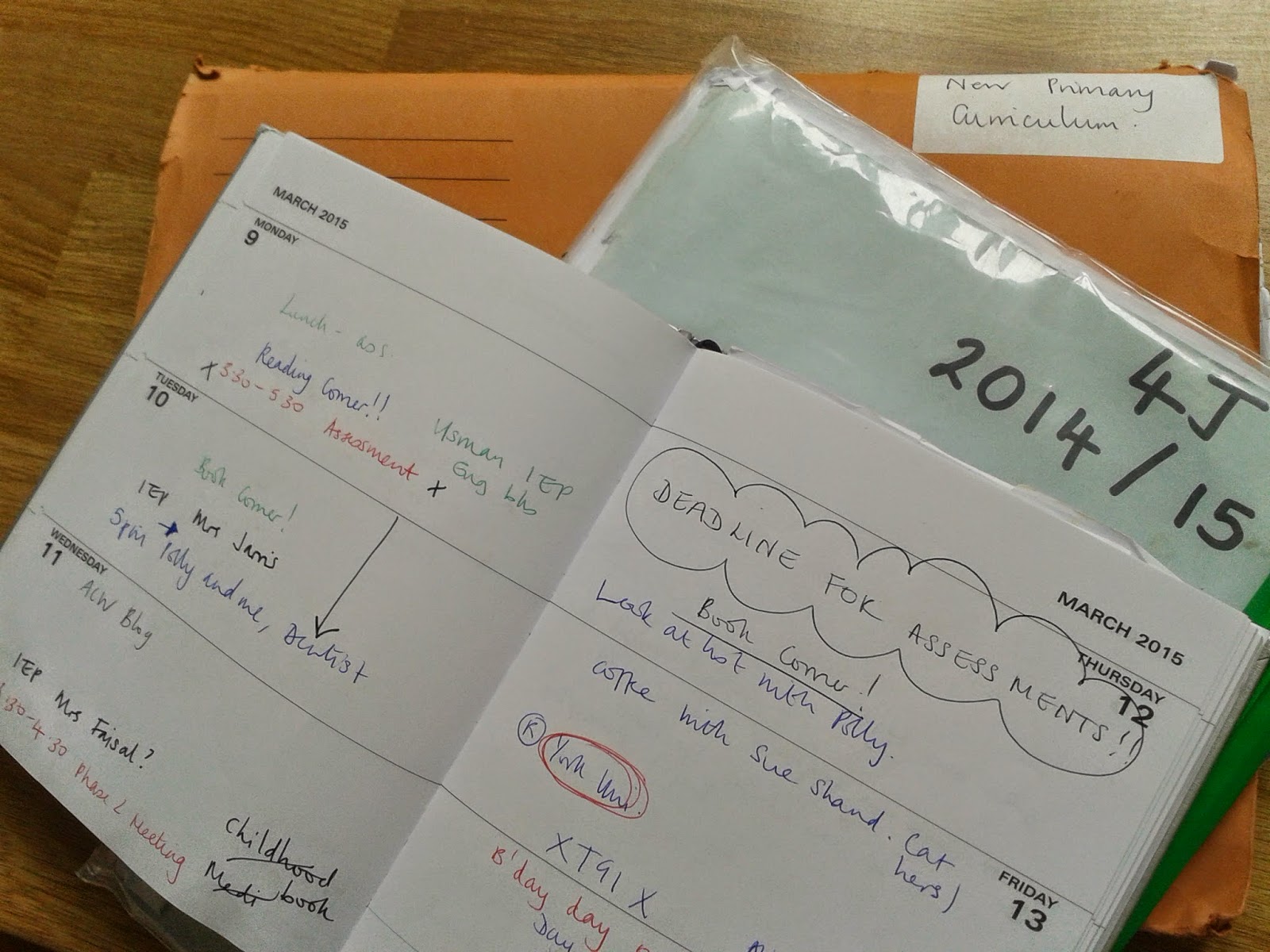 |
| My school self |
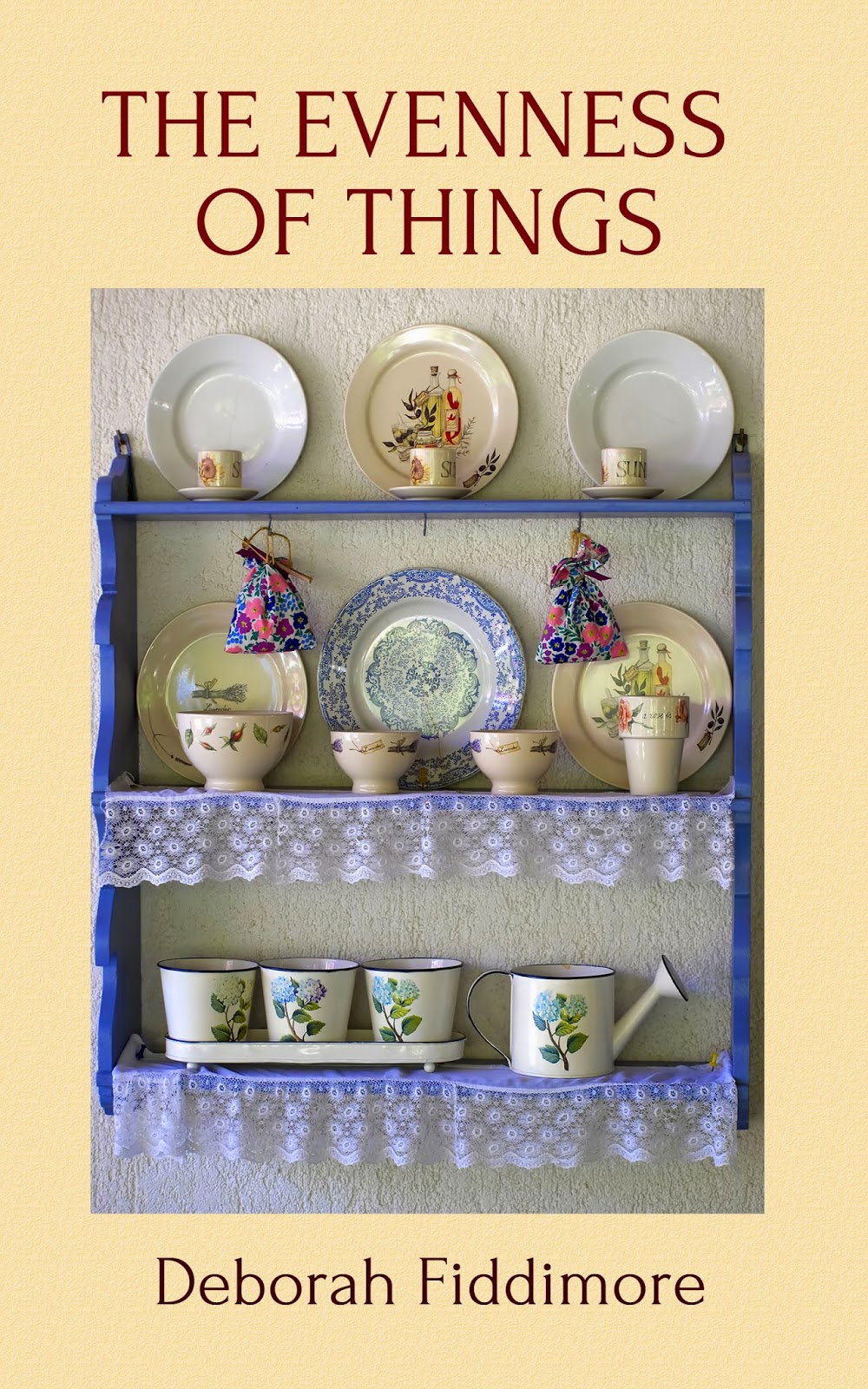
Click here for details on Amazon
About the author
Deborah Jenkins is a primary school teacher and freelance writer who has written articles, devotional notes and short stories. She has recently completed a novella, The Evenness of Things, available as an Amazon e-book and is currently working on a full length novel.. Deborah loves hats, trees and small children. After years overseas with her family, she now lives in south-west London with her husband, a Baptist minister, and a cat called Oliver.
Click here to view Deborah’s blog
Originally written by Deborah Jenkins

