
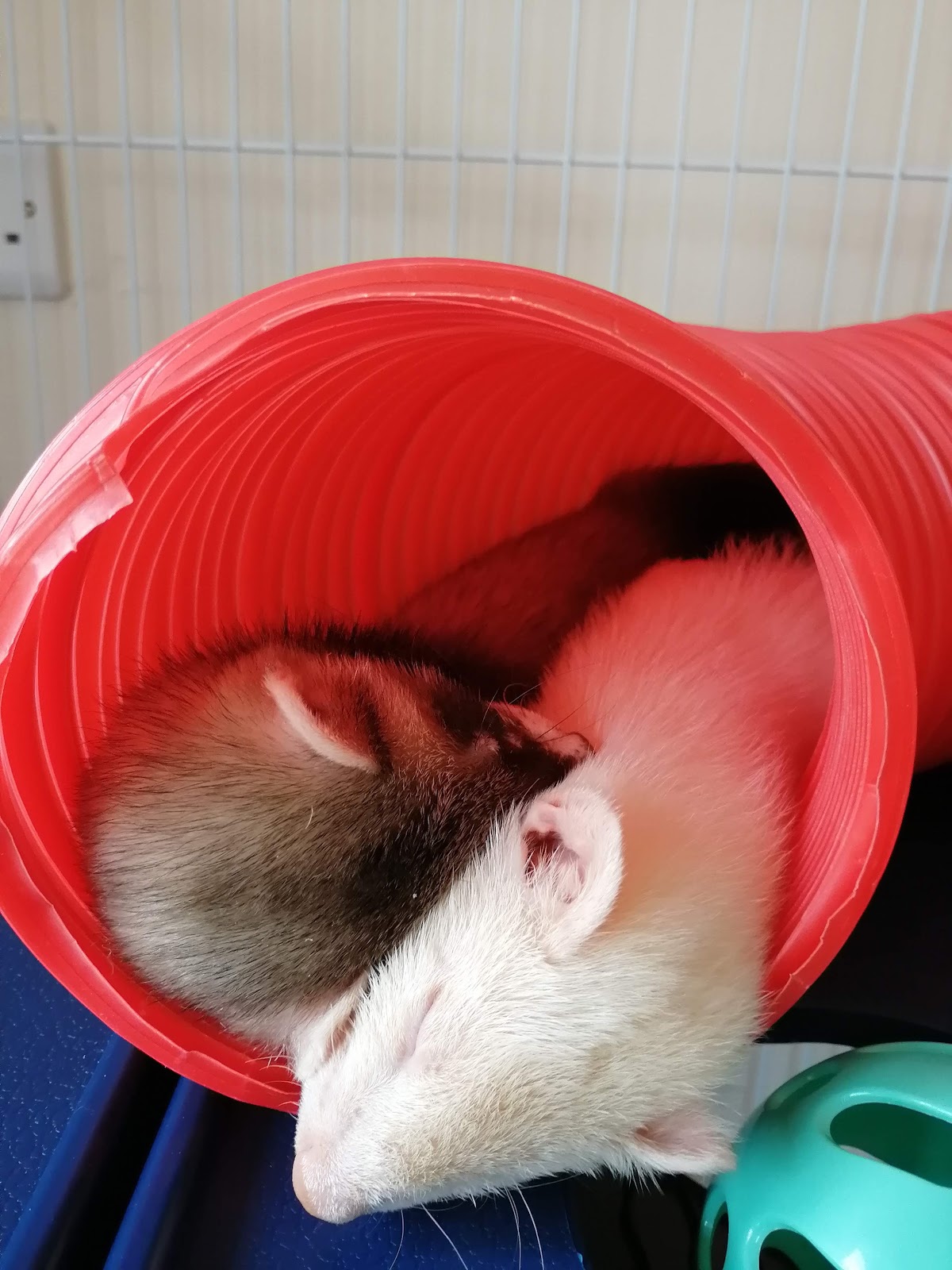
For the first time in six months, the house is quiet. The children are at school, husband at work. Even the dog, spared from endless cuddles and fussing, slumbers in peace. The guinea pig has saved foraging for another day and cocoons himself in sweet hay. Only the ferrets (a few months old and new to the household) play their noisy games of hide and seek but they’re outside so that’s OK. It’s strange this new phenomenon and I expect parents all over the country are experiencing the same. Time to brew a coffee, time to write. And I have! Two hours of glorious typing.
But as the country wakes into a new chapter, the first phase of post-COVID, we find ourselves with different challenges, different opportunities, different expectations. There are people who are expecting and preparing for the next wave, people acting as though it never happened, others keeping a low profile and just getting on with it, some very opinionated and well versed in all aspects of the virus, and (sadly) many judging others and criticising their actions.
Masks are the new accessory (by the way I’m saving myself a ton of money on lipstick.) and children are educated in bubbles. A quick trot to the local shop has become a well thought out mission and our daily use of the English language has changed as we incorporate new phrases such as: don’t forget to social distance, two metres apart, please, put your mask on, have you completed the weekly COVID check, sanitise your hands, please, what do you sing while you handwash? I often wonder what my grandparents would have made of all this.
But whatever we think of these times, I do believe it is important to document this moment in history. Writing about life during the COVID Pandemic will become chapters in tomorrow’s history books. Children will study the ‘COVID Pandemic Period’ and will very probably have to answer GCSE questions or write richly researched papers for A-levels. Yes, it will be up there with the Battle of Waterloo, the Gun Powder Plot, WW2, and the birth of Shakespeare (not in chronological order).

As writers, do we have the responsibility to document these times? Will you incorporate this experience into your fiction? Mourn the loss of loved-ones through poetry? Discuss the impact on social culture? Share your experiences of loneliness and isolation? Diarise the frenetic chaos of family lockdown? Record the statistics and comment on political decisions. The possibilities are endless.

