
Passover this year
falls from 5th to 13th April and includes the Christian
Easter.
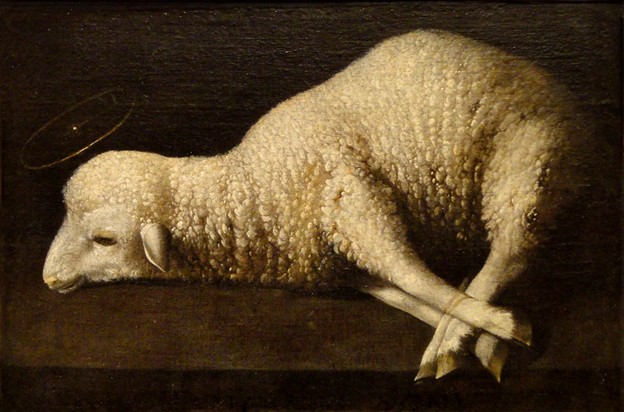
biblical symbolism and metaphor. His death at Passover is no exception.
Passover is an 8-day
Jewish festival that remembers how Moses overcame an Egyptian Pharoah’s reluctance
to secure the liberation of the Hebrew (Jewish) slaves.
This was no easy task:
God nudged Pharaoh in the right direction by sending plagues that made life
totally miserable for the Egyptians, culminating in the tragedy of the death of
the firstborn.
Angel of Death
The Children of Israel
were miraculously spared this loss since God told Moses to have them daub the
blood of a sacrificed lamb on their doorposts, so that the Angel of Death would
pass over their homes.
Death of the Firstborn
was the tenth plague in God’s series of escalating woes for the Egyptians that resulted
in the death of every firstborn male in the Land of Egypt, human and animal.
‘Passover’ (Pesach
in Hebrew), is so called because the blood of the sacrificed lamb caused the
Angel of Death to pass over their homes. The festival reminds Jews how God
saved them to life.
Sacrificial Lamb
Jesus aligned himself
with the sacrificial lamb of Passover whose spilt blood ensured the Jews’ salvation.
Hundreds of years
before Jesus’ birth, the prophet Isaiah foretold this role paralleling Passover
for Israel’s promised Messiah: “He
was led like a lamb to the slaughter, and as a sheep before its shearers is silent,
so he did not open his mouth,” (Is.53:7).
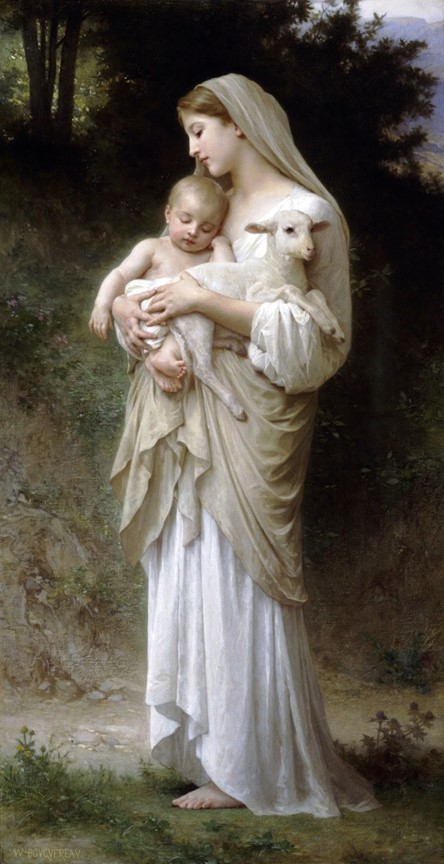
Confirmation that Jesus would
become our Passover lamb came upon his birth when shepherds understood who he
was after they were told, “Today
in the town of David a Saviour has been born to you; he is the Messiah, the
Lord. This
will be a sign to you: You will find a baby wrapped in cloths and lying in
a manger,” (Lu.2:11-12).
Swaddling and
laying in a manger was exactly what those shepherds used to do with the very
best, most valuable lambs without blemish, intended for sacrifice upon the
Temple altar.
They rejoiced
but Jesus’ mother Mary was left pondering as to the ultimate destiny of this son
God had given her.
John the
Baptist
Confirmation
came as Jesus the man was about to begin his ministry. John the Baptist declared
after baptizing him that he was, “The lamb of God who takes away the sins of
the world,” (Jo.1:29).
John saw him
as a sacrifice to redeem us from our sins, as Isaiah also foresaw: “because he poured
out his life unto death and was numbered with the transgressors. For he
bore the sin of many, and made intercession for the
transgressors,” (Is.53:12).
Passover
Lambs in Jesus’ Day
Many Jews
celebrate Passover by eating roast lamb as they did in the time of Jesus. As he
suffered, dying on the cross, Jews would have been lining up at the Temple,
each with the lamb he had bought from the shepherds who grazed their flocks in
‘Shepherds Fields’, between Jerusalem and Bethlehem.
It was a real
conveyor belt line of priests passing things to one another as they slaughtered
each lamb and sprinkled its blood upon the Great altar, remembering not only
being spared death by God’s Passover lamb, but also the journey to freedom that
it instigated. When Pharaoh freed the Hebrew slaves, Moses lead them to God’s
Promised Land of Milk and Honey— Israel.
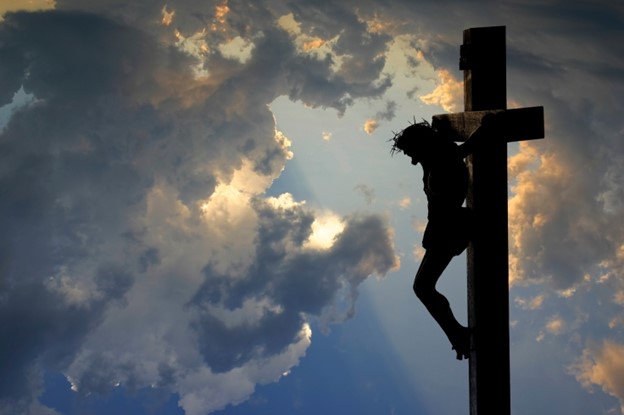
The symbolism
of Jesus’ as our Passover lamb is clear: we receive forgiveness for our sins
and are freed from the slavery sin had over us, so that we, too, can journey to
His Promised Land.
That’s a lot
to celebrate!

Bobbie Ann Cole, Christian Author, Speaker and Writing Teacher is offering you a free, 20-minute 1-2-1 throughout April. No sales. Simply writerly problem solving and getting to know you better. Email bobbie@bobbieanncole.com for your slot.

