
I like history. In the Netherlands, it was taught through
stories, with the teachers being fantastic storytellers, otherwise, they would
lose their audience. It was a great way to learn about kings and queens,
invaders and troubled times. Living in a house that is more than two hundred
years old makes you wonder about the people who were here from the beginning. Those
living in a small, poor village, making a living through weaving and farming.
I love reading cosy mysteries, and for a while, I have
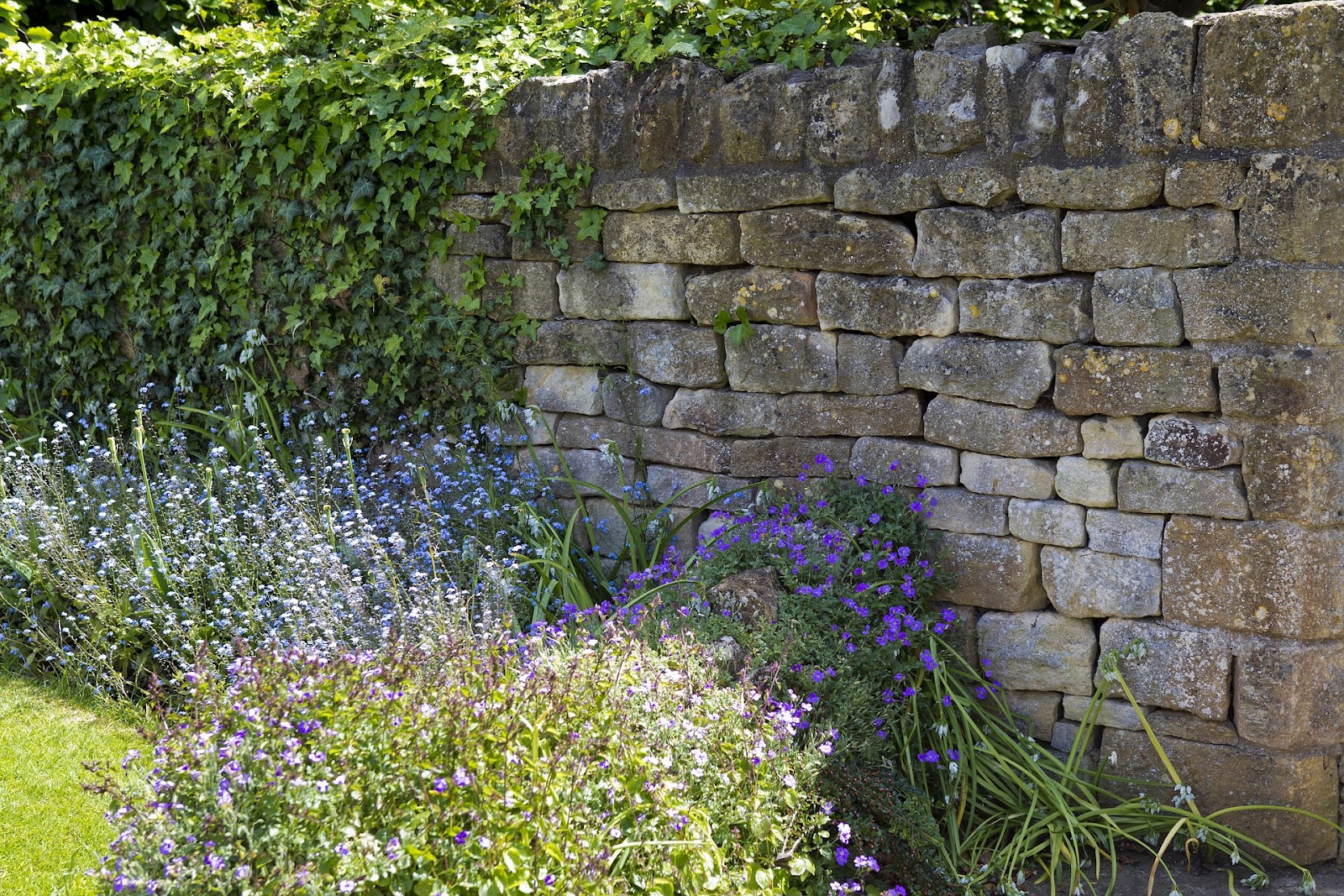
wanted to write a murder mystery. What better place than this lovely Cotswold
village with the views, woods and small lake? The chapel attached to our house
was built in 1801, and there must have been controversy surrounding that,
surely? Then there are the various mills at the bottom of the hill, where
people worked closely together.
So there we are, plenty of ideas. Then I realised, I know
nothing about that time. Google kindly shared that it was King George III in
charge and that he did come near the area about fifteen years before my time slot.
So, I am plotting a book set in a time I know nothing about.
Research is a rabbit warren at the best of times, but as
soon as I started looking into the historical time frame, the clocks didn’t
just change one hour, I’m sure. There was Gloucester gaol, with people sent to
Australia or the gallows for various reasons. There was a murder in the valley
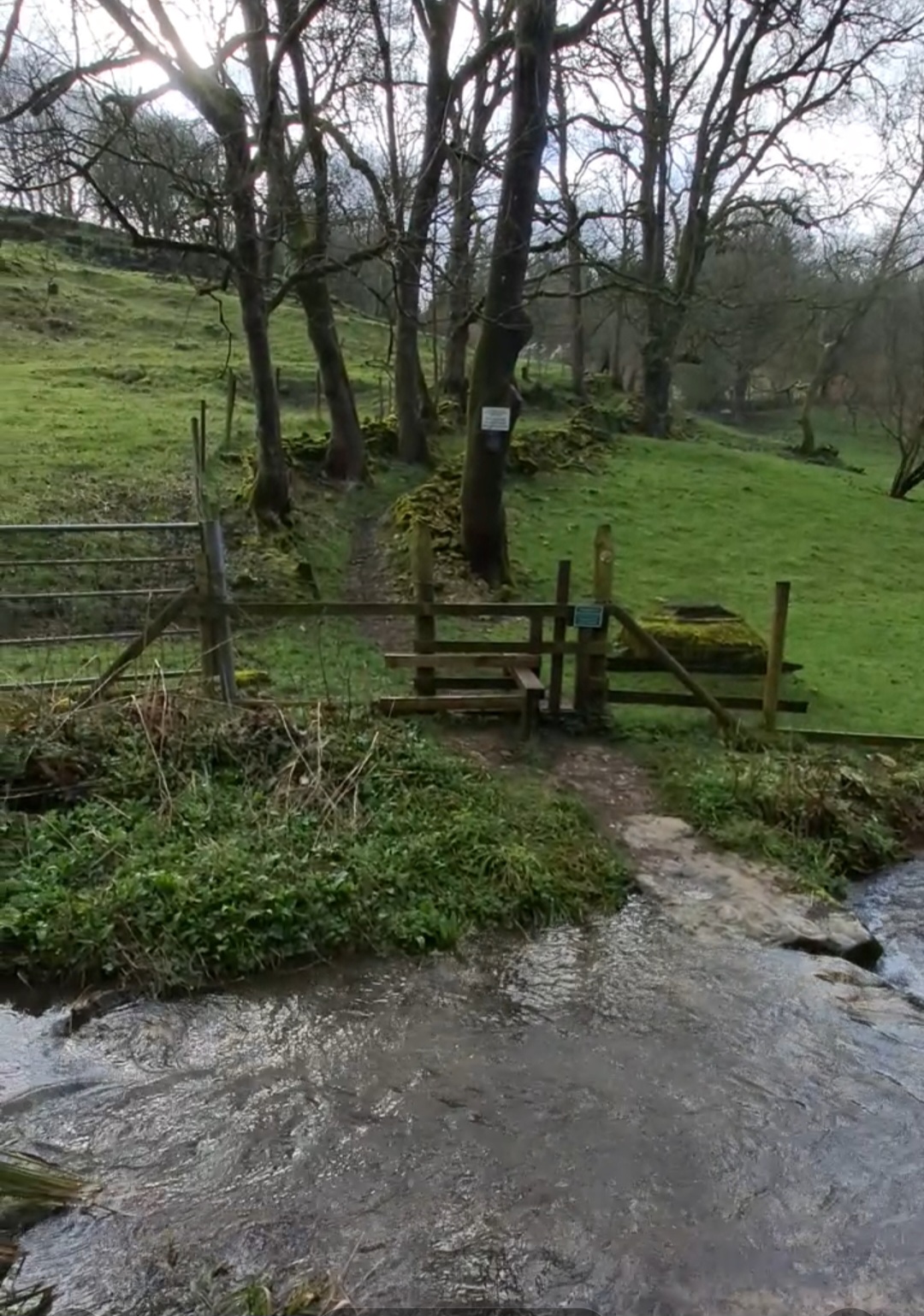
near us, with now-demolished cottages set in a beautiful idyllic spot. Clearly,
the evils of the heart weren’t influenced by their surrounding beauty.
The mills are still there, mostly done up into apartments or
industrial units. Again, research is interesting. Most of the local mills seem
to have been run by Huguenots, not long come from France. Did they still speak
French, or were they keen to blend in and only have mild French accents? Was that
the reason they supported the building of the chapel? My idea had been that it
stopped the drinking and fighting on the village green, but maybe they had
religious reasons for support as well. It makes me want to write the story, God’s
story for the village as well.
And how much influence would national politics have on this
village? Ireland was united with Great Britain at that time, but would that
affect my characters? A few people from Ireland were sentenced in Gloucester,
so did any of the make it to this place? So there is another track, eating up a
few hours of my time. It’s all so interesting though!
Sometimes, I realise why I like writing the Elabi
Chronicles, as the history is made up. It still involves some research, but it’s
limited to details I like to add to the story. So that’s what I’m at , writing
a made-up story at the moment, whilst learning about King George III and his
Britain at the same time, coming up with a lot more questions than can be
answered, I fear! It is seeing the bell tower from the valley, that reminds me
how central God is and should be in our lives and our stories. So, if like me,
you’re working your way through an extensive warren of information, enjoy!
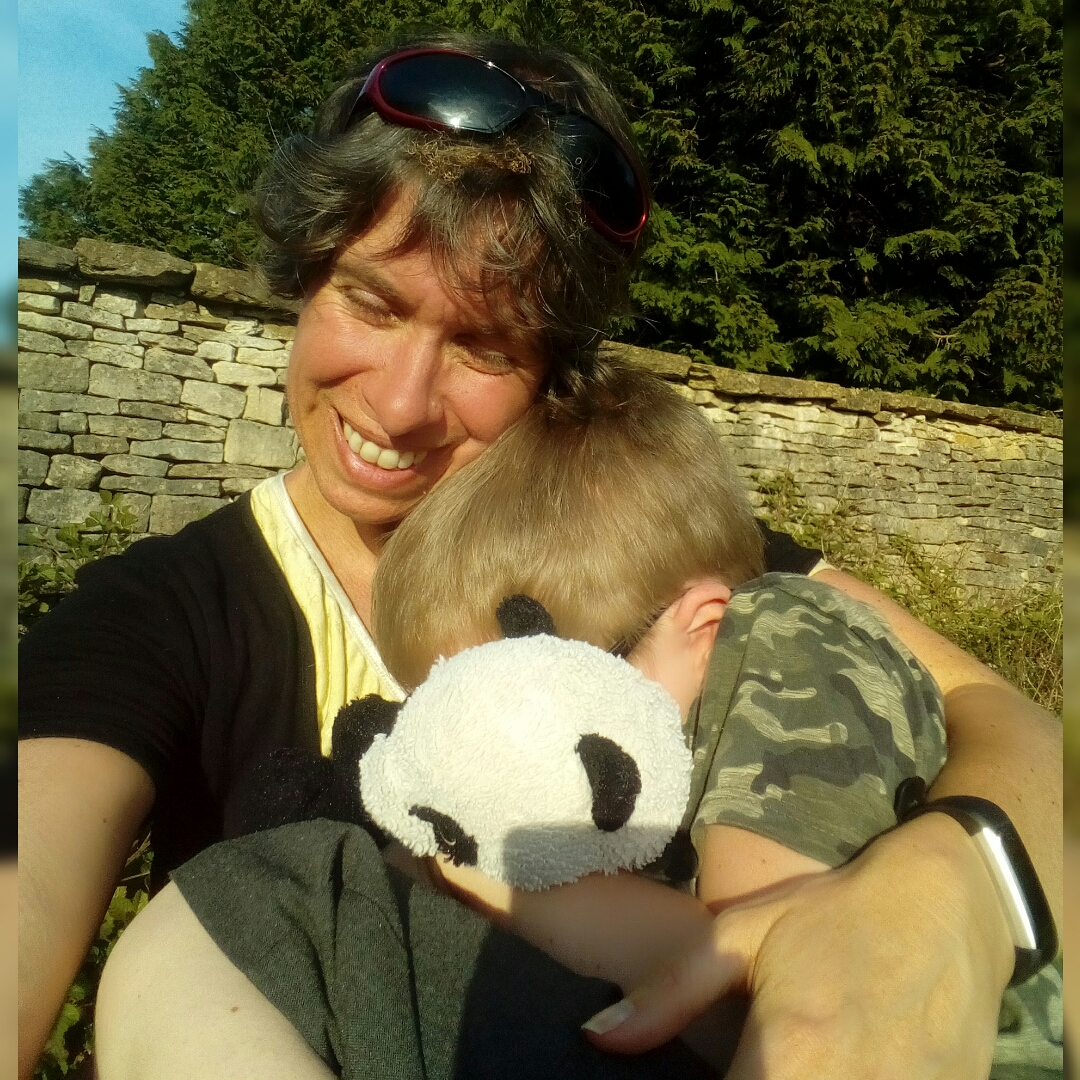
Maressa Mortimer is Dutch but lives in the beautiful
Cotswolds, England with her husband and four (adopted) children. Maressa is a
homeschool mum as well as a pastor’s wife, so her writing has to be done in the
evening when peace and quiet descend on the house once more. She loves writing
Christian fiction, as it’s a great way to explore faith in daily life. Because
of her interest in writing, Maressa is part of Creativity Matters: Find Your
Passion For Writing, an anthology encouraging people to write.
Her debut novel, Sapphire Beach, was published in December
2019, and her first self published novel, Walled City, came out in December 2020,
followed by Viking Ferry, a novella. Beyond the Hills is the second book in the
Elabi Chronicles, and was released in 2021, followed by stand-alone novel
Burrowed, released in 2022. All of Maressa’s books are available from her
website, www.vicarioushome.com,
Amazon or local bookshops.

