
(With
apologies to the ACW committee, who have heard some of these thoughts before!)
apologies to the ACW committee, who have heard some of these thoughts before!)
What can
you do with one of these?

you do with one of these?
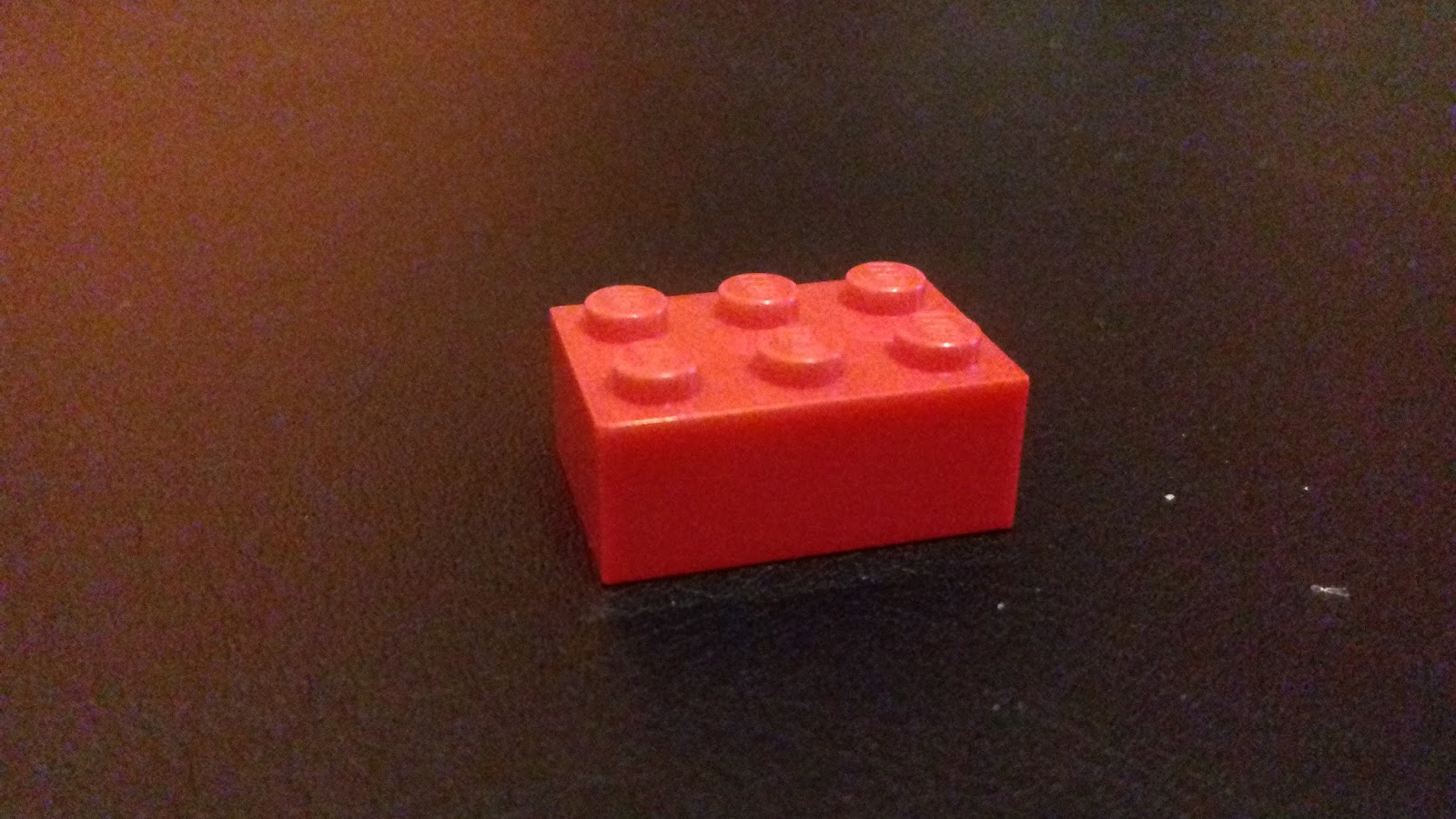
Answer:
probably not much, apart from causing extreme pain to a family member if you
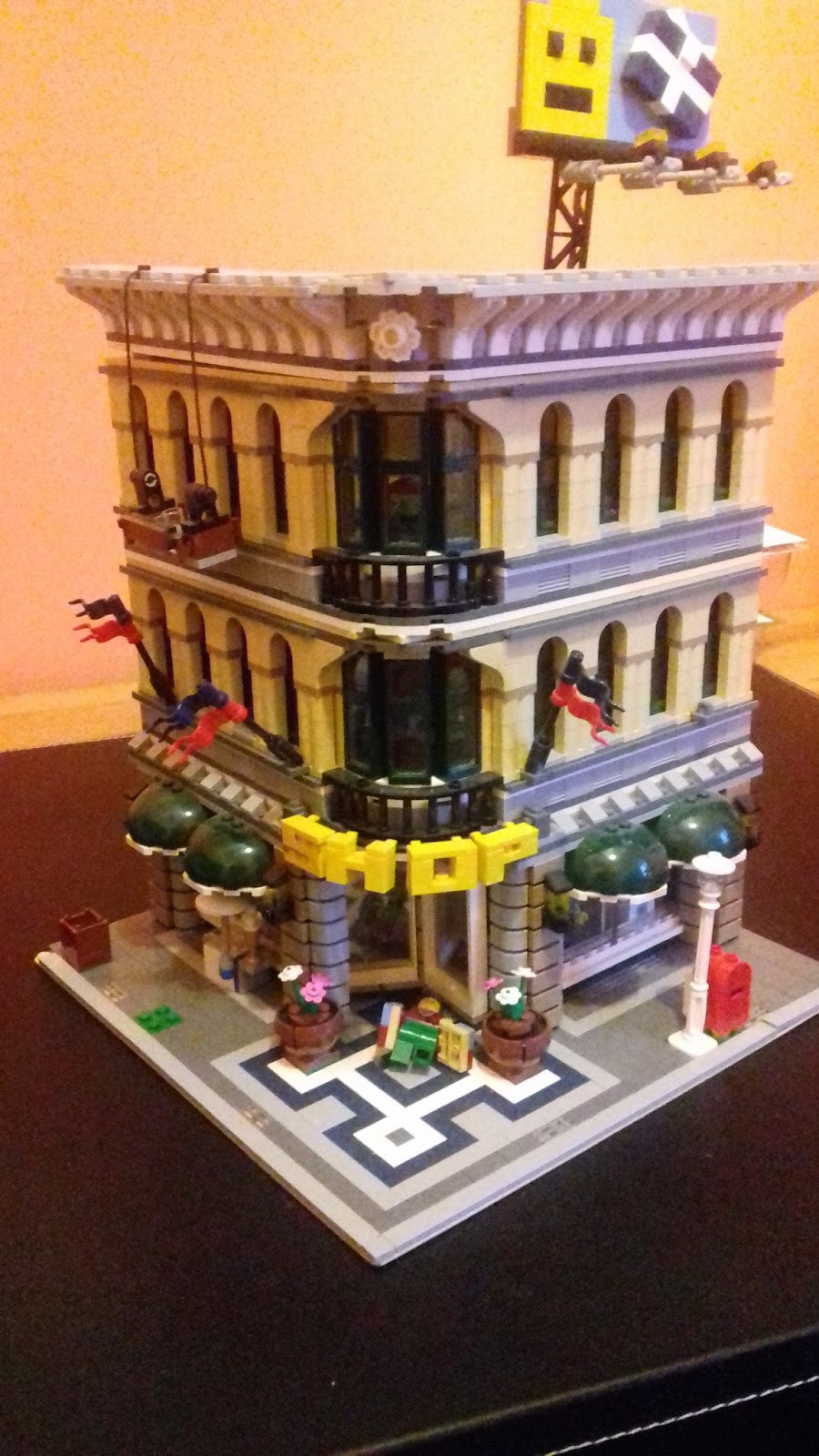
happen to leave it lying around on the floor. Add a few more, though, and it’s
a different story (or maybe even a different storey). A varied collection of
bricks – especially when coupled with an active imagination – can result in all
sorts of spectacular edifices.
As a
child, I loved playing with Lego, although I generally preferred designing
things for myself rather than following a set of instructions. But every model,
whatever the size, started out a with a single brick.
child, I loved playing with Lego, although I generally preferred designing
things for myself rather than following a set of instructions. But every model,
whatever the size, started out a with a single brick.
There’s a
good analogy here for our writing: every novel, every poem, every blog post has
to start from a single word. Now, you may call me sad, but flicking through a
dictionary has me quivering with excitement. Words fascinate me. However, there’s
a limited amount to what one word on its own can achieve. (Not that this seems
to discourage teenagers…) But if we take a word and add another, and another,
and so on, our words turn into sentences. Sentences become paragraphs, which grow
to become articles, short stories or even chapters in a 200,000 word novel.
Another
ACW member took to Facebook the other day to share how hard she found it to get
the opening sentence right for her new novel. Thankfully, she got there in the
end, but it demonstrates how tough it can be to find the precise word or phrase
we are looking for. But if we don’t persevere and get at least one word on the
page, then we’ll never get anywhere.
There’s a
well-known verse in Zechariah which talks about beginnings, and starting small.
Last week, I re-read it in the New Living Translation, and it was the second
part of the verse that caught my attention: Do
not despise these small beginnings, for the Lord rejoices to see the work
begin…(Zechariah 4: 10, NLT).
As Christian
writers, we believe that God has called us to write for Him. This doesn’t mean
that our work has to be overtly religious: rather that we view everything we do
– including our writing – through the lens of faith. How amazing, then, to
realise that God gets excited every time we set pen to paper. One word on its
own might not seem much, but the potential it offers is mind-blowing.
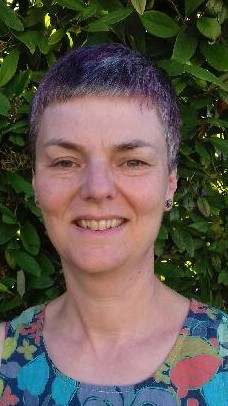
Fiona Lloyd is vice-chair of the Association of
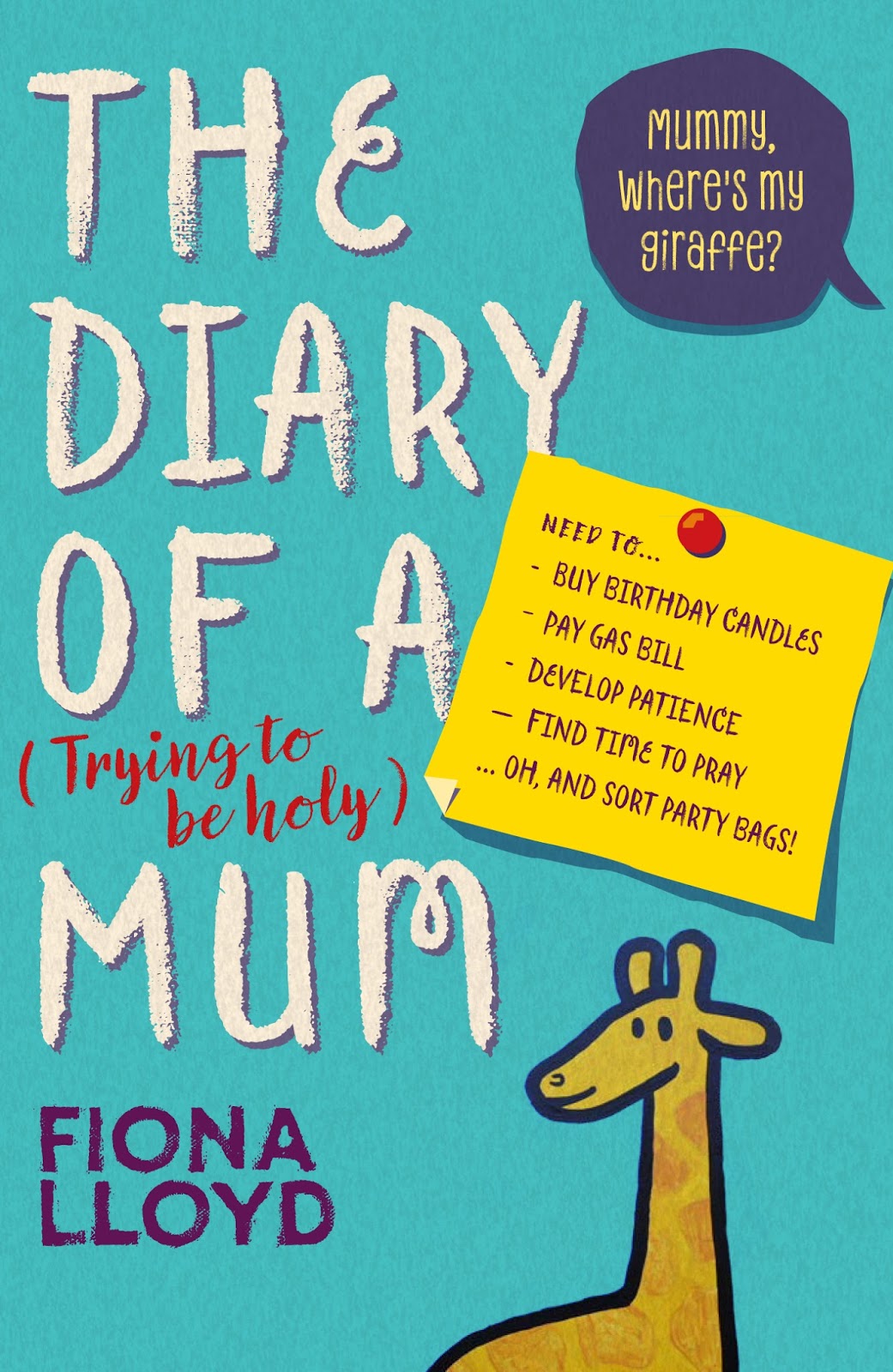
Christian Writers, and is married with three grown-up children. Her first novel,
The Diary of a (trying to be holy) Mum,
was published by Instant Apostle on 18th January 2018. Fiona has
also had short stories published in Woman
Alive and Writers’ News, and has
written articles for Christian Writer
and Together Magazine. Fiona works
part-time as a music teacher, and is a member of the worship-leading team at
her local church.
Twitter: @FionaJLloyd &
@FionaLloyd16
Originally written by Fiona Lloyd

