
Do you notice what
you don’t notice? by Sue Irving 14th August 2015
you don’t notice? by Sue Irving 14th August 2015
I have recently become obsessed with cats. It started
innocently enough. At an art retreat we were invited to doodle to music for a
few minutes after dealing with our inner critic. I filled the paper with random
squiggles and lines. When we compared results after the exercise, I discovered
that fellow artist Fran had managed to draw a cat. As a bit of a drawing
phobic, I had not even CONSIDERED it a possibility to draw something
recognizable within a few minutes – and from memory too!
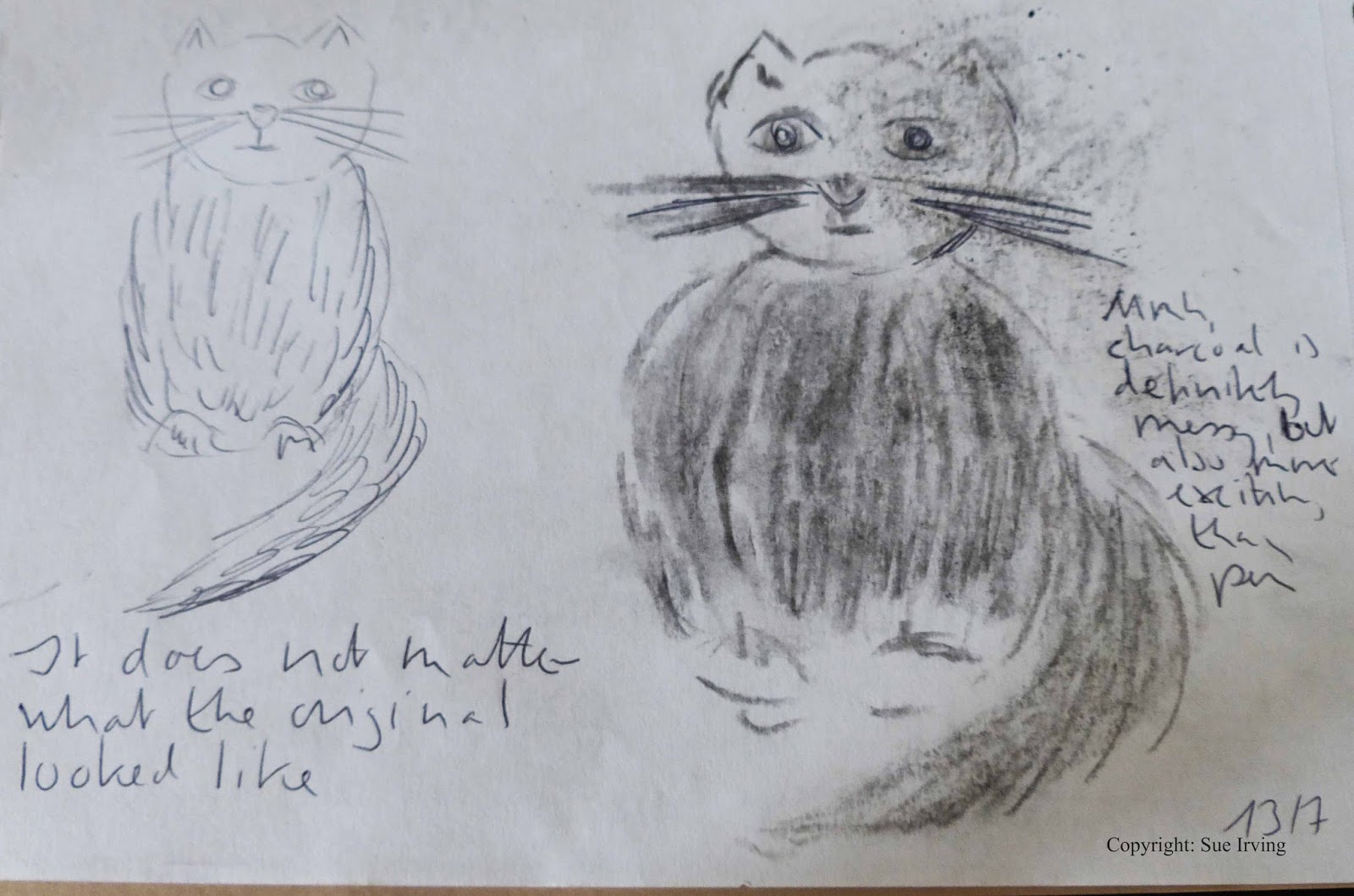 We were encouraged to keep a sketchbook, and the next
morning I was determined to do a sketch of a cat, trying to remember what my
friend had done. The result? A creature with big startled eyes, which looked
like it had eaten so much cream that it could only roll from place to place!
And the drawing got smudged. Surely I could do better than this.
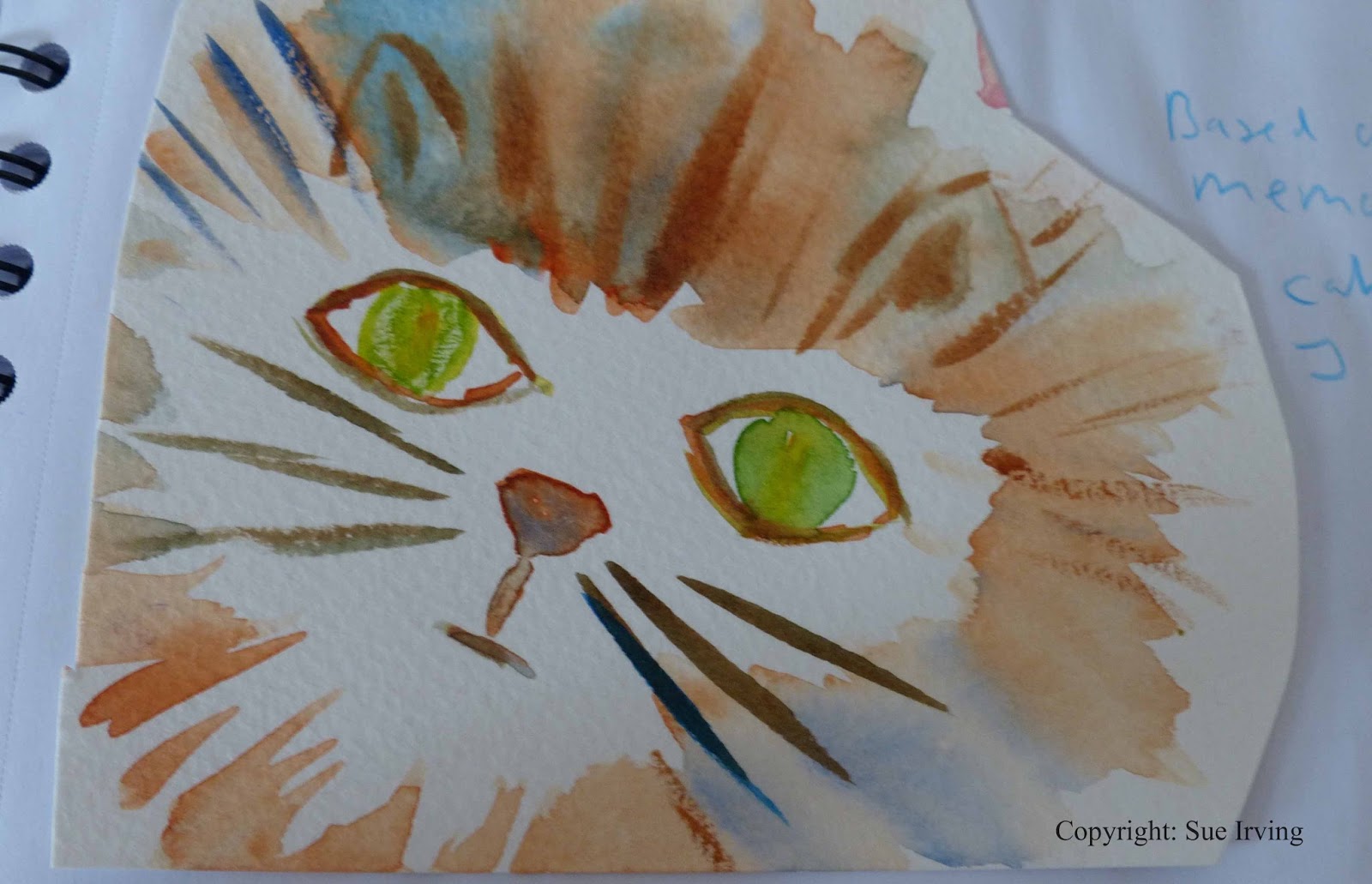 Round 2: I admire a cat head painted by Bob, who is great
with his watercolours. Once again I try to paint his cat from memory. The result? A creature with the same startled eyes and a
lion’s mane.
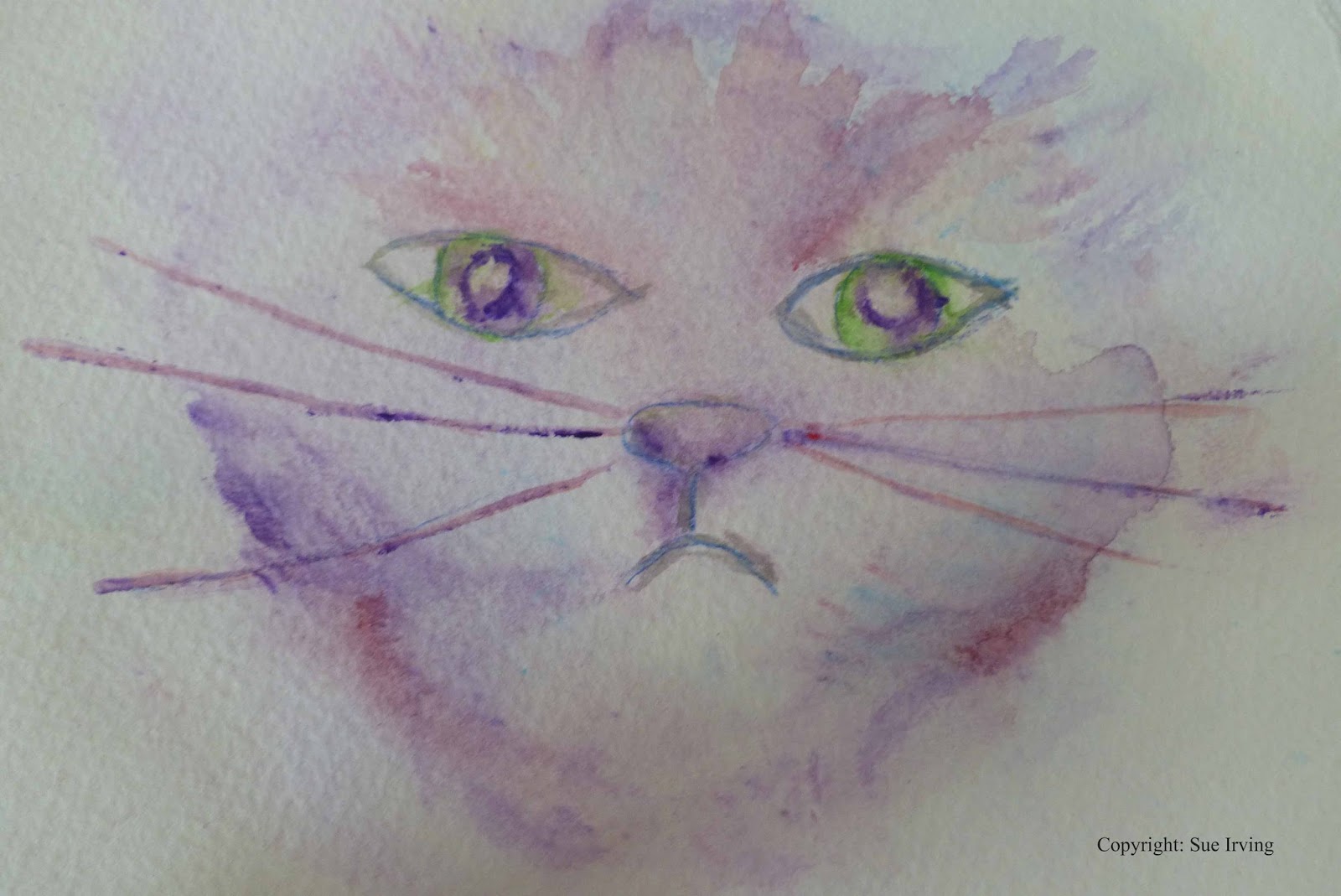 Round 3: I decide that it is time to admit defeat and ask
Bob for a copy of the original watercolour, so that I can properly copy it. Bob
has filled the whole of his cat’s eyes with green colour. I like the tone, but decide
to give “my” cat “neater” eyes. I am
really pleased with my third attempt – until I take a photo of a cat and
enlarge the eye area. I realise that I have given all my cats human eyes!
My lessons:
Study your subject:
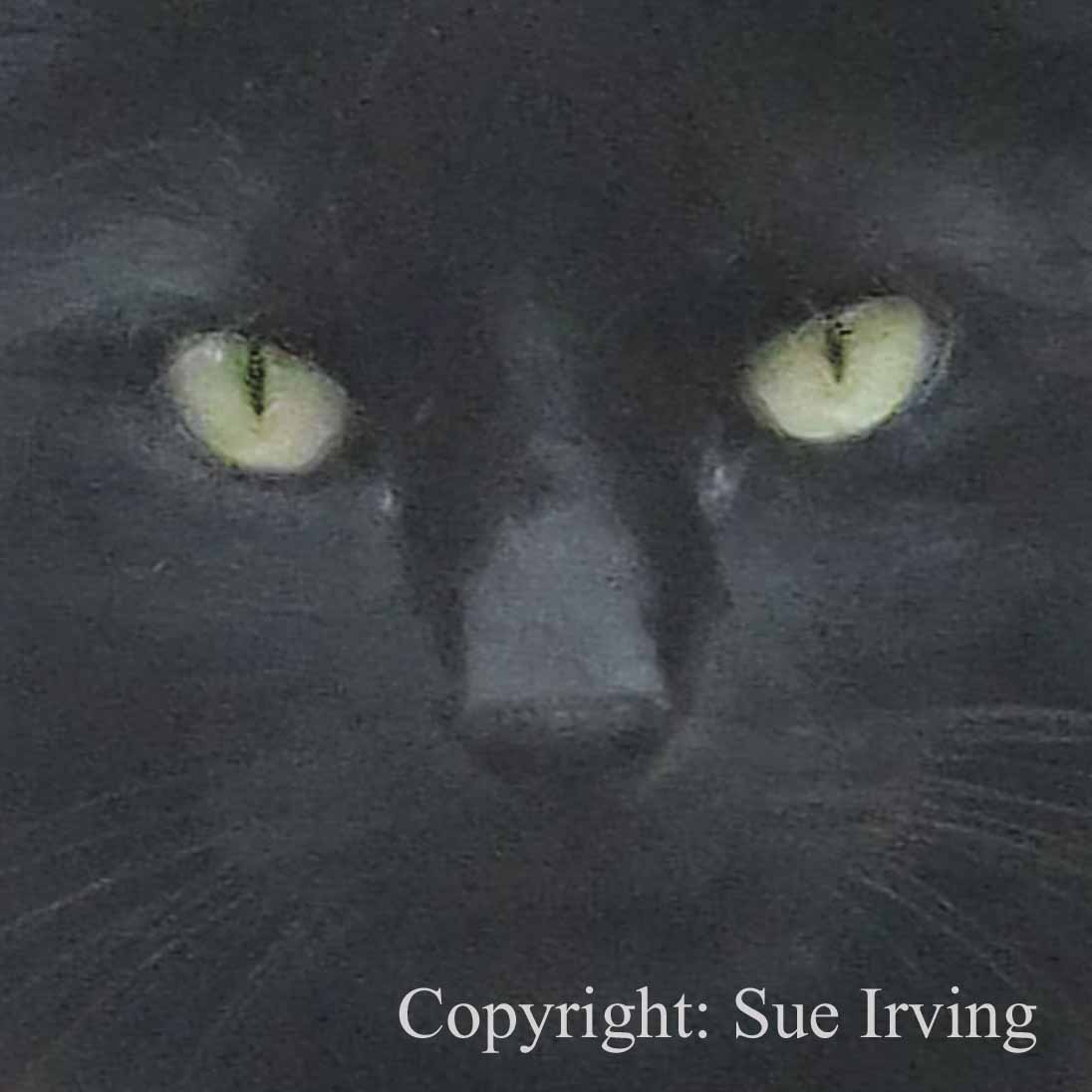
I tried to imitate other people’s work, but never bothered to observe the
resident cat. The trouble was that I
THOUGHT that I knew what a cat looks like. Even though I don’t own a pet, I
have seen many cats in my lifetime and have occasionally fed my neighbour’s three
cats. So I did not think that I needed to study my subject before painting it.
I wonder how often I am lazy in my writing and end up with a piece that lacks
colour and depth because I have not paid close enough attention. Good writing
is about more than good technique.
Pay attention: I have
often felt that I am good at multi-tasking. It doesn’t seem to be terribly
efficient to juggle just one ball, when there are two, three, four or five
lying about! However, I have now realised that my so called efficiency comes at
a price. The pictures and memories in my head are a bit blurry and lack
defining detail. The more I focus, the more vivid my writing and other creative
output.
If at first you don’t
succeed, try and try again (and keep trying). There is always room for
improvement, even when we I think I have “arrived”.
succeed, try and try again (and keep trying). There is always room for
improvement, even when we I think I have “arrived”.
About the author:
Sue Irving is the co-ordinator
for the Creative Communicators in Petersfield. Sue has co-written a book
with her husband John about their experiences when climbing Kilimanjaro. How
to conquer a mountain: Kilimanjaro lessons is available as a paperback and
an e-book on Amazon, with all proceeds going to charity. She is currently
exploring other forms of creative expression.
Originally written by Sue Irving

