
I hate to say this, but there is a small town in Austria called Fucking (pronounced in a northern way). Yes, it’s embarrassing. As a German word, however, it’s just a combination of consonants and vowels denoting a place. Why am I sharing this less than enlightening fact with you? Well, like several others who write for this blog, I was recently at the ACW writers’ weekend at Scargill House. And hardly were we there a few hours, when a discussion arose about using ‘bad language’ in fiction.
Now I’ve been around the Christian writers’ scene for around 35 years, and I am sick and tired of this topic. Is Graham Greene a Christian writer? Yes, he’s a novelist who was a Christian. Do some of his characters swear? Yes, when appropriate. Is J K Rowling a Christian writer? Yes – she holds a lay office in her church. How can anyone read the final scenes of the last Harry Potter and not see profoundly Christian themes? But Ron Weasley says ‘bloody’ a lot.
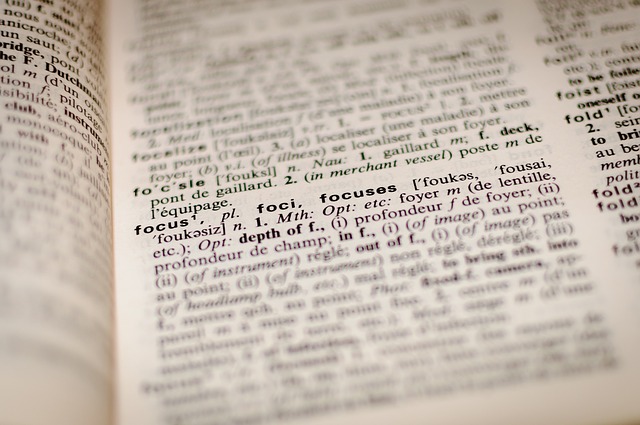
What is ‘bad language’? Is there even such a thing? Many years ago someone called me the laziest person they knew. I must admit I lost it and swore at them. But in context, who
 |
| Any language can be bad |
was using ‘bad language’? The word ‘lazy’ is bad language if used to do someone down (and it’s a four letter word). True, there are words we should never use: because they are racist, sexist, or cruel. Nevertheless, if we create a racist, sexist or cruel character, we may have to put such words in their mouths.
Of course if your calling is to write ‘safe’ fiction for easily offended Christians (since when was being offended a fruit of the Spirit?), you will have to avoid those pesky Anglo-Saxon words. However if readers don’t want what they read to confront them with language they surely already know, they had better stop reading the Bible, which is full of curses and earthy language. St Paul, for instance, said he counted everything as – well, I’ll say excrement, but in the Greek he used a stronger word – for the sake of knowing Christ.
If however you want to write fiction or non-fiction that communicates the down-to-earth gospel to ordinary people, you may find it necessary to be less mealy-mouthed. What we call ‘strong’ language is weak language when used as punctuation; but if you sprinkle it sparingly like that hot seasoning in a grinder from Traidcraft, it might make the all-important contrast between the character you want people to admire, and the one you don’t.
 |
| A US president disobeying Jesus… |
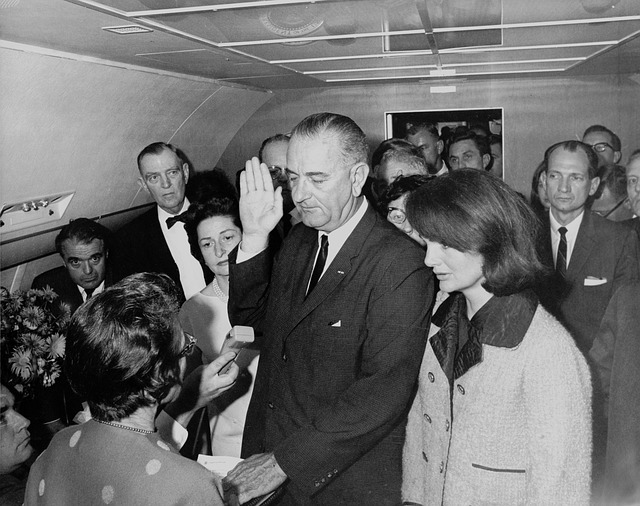
One last point. Jesus never said anything about swearwords. No really, he didn’t. When he told his disciples not to swear, he meant don’t swear oaths in court to prove you are telling the truth, since you should be telling the truth all the time. A command that Mennonites and Quakers take seriously, but no other Christians I know of. But ‘bad’ language? No such thing. It all depends how you use it.
Veronica Zundel is a freelance writer whose latest book is Everything
I know about God, I’ve learned from being a parent (BRF 2013). She also
writes a column for Woman Alive magazine, and Bible notes for New
Daylight. Veronica used to belong to what was, before it closed, the only non-conservative, English
speaking Mennonite church in the UK, and is currently churchless. She also blogs at
reversedstandard.com

