
This week, a friend introduced me to a new music album by Chris Tomlin – “Chris Tomlin and Friends.” It turned out to be a brilliant, mellow antidote to the stress of the second week of remote teaching and remote learning that has blighted the peace of the Tennant household.
One of the songs, “Tin Roof,” speculates about what heaven might be like, including the idea in the title that it might be like “rain on a tin roof.” I have to say, last time I experienced that sound, it was in a caravan in Devon, accompanied by 50 mph gusts of wind, so I’m not yet reconciled to the idea of this being heavenly. An extensive survey, however (two family members and three colleagues), confirmed that, my post-traumatic stress aside, rain on a tin roof is, indeed, a sound worthy to be included in eternity.
Other ideas in the song that struck me were “Maybe the sun don’t set,” (we’ll forgive his grammar here, in the interests of scansion and a chilled reggae groove) and “…and the waters don’t rise,” – for me, those ideas carry with them a sense that all the rushing and time passing and trying to cram things into limited hours, will all be a thing of the past. I like that idea a lot.

· We will always have A Great Idea and time to actually turn it into writing, simultaneously.
· Ideas will morph, automatically into stunning pieces of prose and poetry. What is in our heads will leap onto the page, wording, grammar and structure, instantly perfect. Editors will spend their days contentedly browsing Netflix, remembering the glory days of spotting stray apostrophes and horrible homophone slips.
· While our ideas morph, as detailed above, we will sit in oak-panelled rooms with enormous bookcases, at antique, period desks with stunning and inspiring views over mountains and seas. There will be no dusting, hoovering or bathroom-cleaning to keep us away from the desk and the view.
· People Who Read Our Writing will always have an instant and rapturous appreciation of what we have written. Every blog reader will leave a comment; every book reader will leave a glowing review.
· Publishers will snap up our writing, as soon as we email them with a pitch – in fact, such will be the unity between writers and publishers that we won’t even have to pitch. As soon as our work is publication-worthy, the publishers will know, telepathically, and approach us. Pitches will be a thing of the past.
· There will be no need for Marketing (I can hear the simultaneous cheers of the ACW from here). As with publishing, above, people will simultaneously just know when there is a new book in the air. They will flock to book launches in their droves, and every person attending will buy piles of our books, at full price and ask all their friends to buy them too.

Doesn’t it all sound completely heavenly? The funny thing is, as I write this, I almost find myself wondering whether I would miss the sense of struggle and growth that comes from us having to live with all the things we would rather leave behind, down here. It makes me reflect and understand afresh that God is with us in those, just as much as He will be in the perfection of eternity.
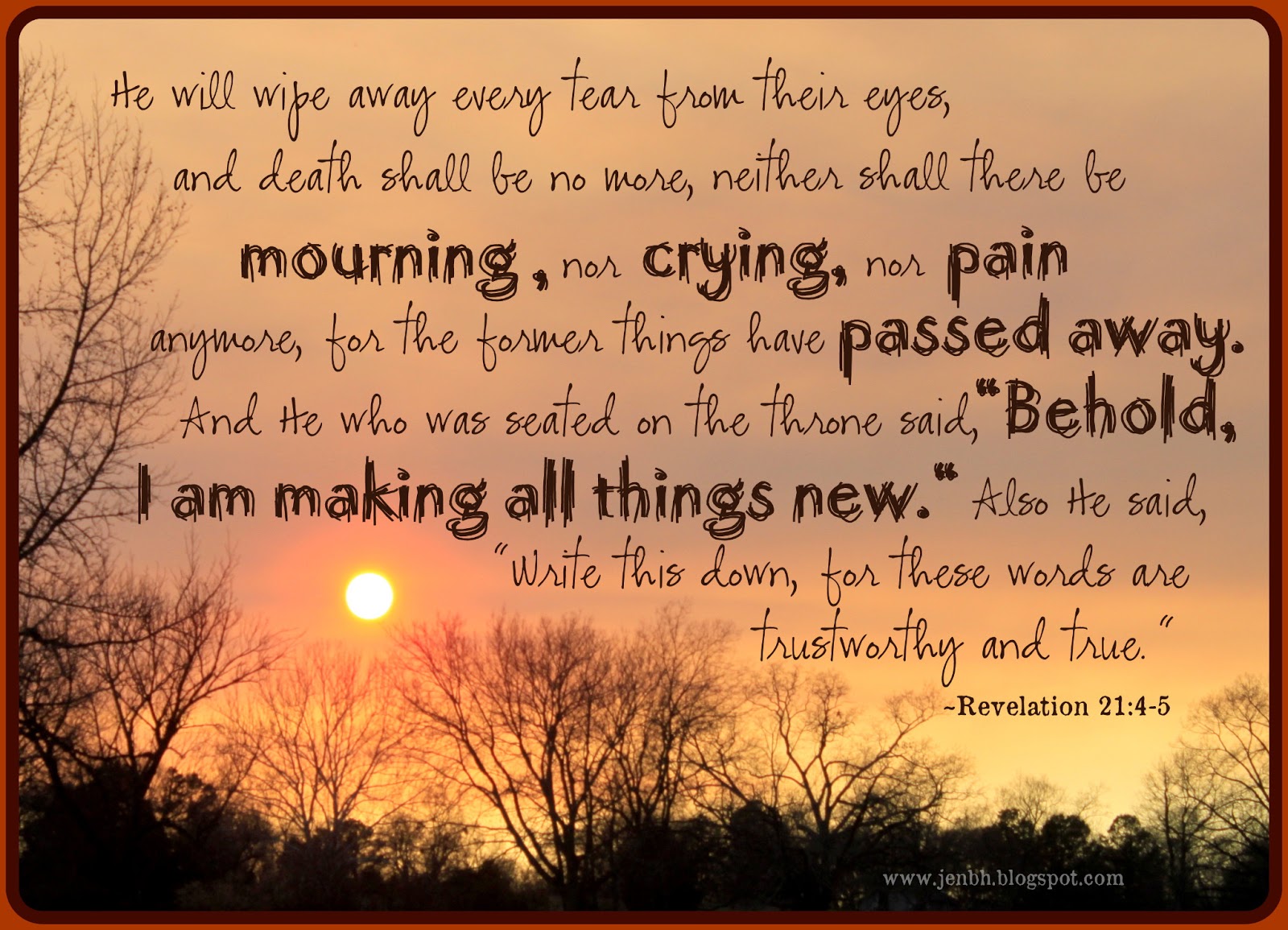
Be encouraged, fellow writers. God walks with you through the not-having-a-second-all-day-to-write days, sits with you in your crowded corner of the flat where you steal a few minutes to type, and carries you when the waves of self-doubt threaten to overwhelm. And one day, these things will all be behind us. “He will wipe every tear from their eyes, and there will be no more death or sorrow or crying or pain. All these things are gone forever.” (Revelation 21v4 NLT).
What does heaven look like, for writers, for you?
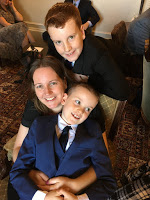
Georgie Tennant is a secondary school English teacher in a Norfolk Comprehensive. She is married, with two sons, aged 12 and 10 who keep her exceptionally busy. She writes for the ACW ‘Christian Writer’ magazine occasionally, and is a contributor to the ACW-Published ‘New Life: Reflections for Lent,’ and ‘Merry Christmas, Everyone,’ and, more recently, has contributed to a phonics series, out later this year. She writes the ‘Thought for the Week’ for the local newspaper from time to time and also muses about life and loss on her blog: www.somepoemsbygeorgie.blogspot.co.uk

