
Hands up all who remember watching Zulu – that epic film based on the true events at Rorke’s Drift in which the heroic actions of a handful of British soldiers led by Stanley Baker and Michael Caine, stave off an attack by an impi of over three thousand Zulu warriors? Good film, huh? Great action? Remember the vivid characters – the batty Swedish pastor and his lovely, but naive daughter, and Henry Hook – the skiving, malingering rogue who came good at the end? Content to enjoy a jolly good story, I never thought to question the portrayal until I began reading the history of the Zulu wars and discovered that, far from being a lead-swinging laggard, Private Hook – teetotaler and Methodist lay preacher – was a bally hero right from the start. His elderly daughter, outraged at her father’s depiction in the film, walked out of premier. Who can blame her? Who would want their father to be remembered as a lazy, thieving scoundrel?
Writing about the past gives us a degree of freedom to fill in the gaps. The further back in time we go, the more we need to embroider the thin tapestry of facts to make a story substantial enough to tell. Does it matter if we dance with the truth and dally with fiction as long as the story is a cracker that makes our editors smile and the tills ring? Well, does it?
Some would argue that, as writers, our primary purpose is to entertain, but what about the truth? Think how differently Richard III would now be perceived if Will had taken an alternative slant, or how we would respond to the Scottish Play if he had written about the real Macbeth. Creating a caricature neither helps the quality of our writing nor does justice to the individual. Portraying someone in all their complexity makes for a more interesting character and gets further from the two-dimensional what someone did, to the multidimensional why.
If Shakespeare can do such an efficient character assassination on Richard III and Macbeth, think what we can do with the reach of international publishing and the web to disseminate the truth. And if the facts don’t add up to a whole picture, don’t we at least have a responsibility to represent history….well, responsibly?
It is understandable if the past sometimes gets left behind. It’s not uncommon for people to see it as irrelevant. It’s dead and buried. After all, for good or ill, the dead have reaped their reward and whatever we do or say won’t change the outcome of their relationship with God. But in writing about the past, we resurrect it and display it anew to the world. Does reputation matter less if the person’s been dead for a few hundred years or more?
If you think about it, where do we glean most of our knowledge about people such as William Wallace, Lady Macbeth or King John? Or how about Alan Turing? The poor man hasn’t been dead that long and we’re already fabricating and mythologizing at a rate of knots. We learn most about these people through the medium of book or film, where their stories – right or wrong – become immortalised. Once embedded in popular culture, it is almost impossible to change public perception.
We don’t need to be historians to write stories based on historical figures and events, but we do need to bear in mind the lasting impact our words might have on how those individuals or events are remembered in the future. As writers of historical fiction, we have a responsibility to the men and women of the past to represent them as fairly as we would wish to be remembered ourselves. Words matter, so let our words count.
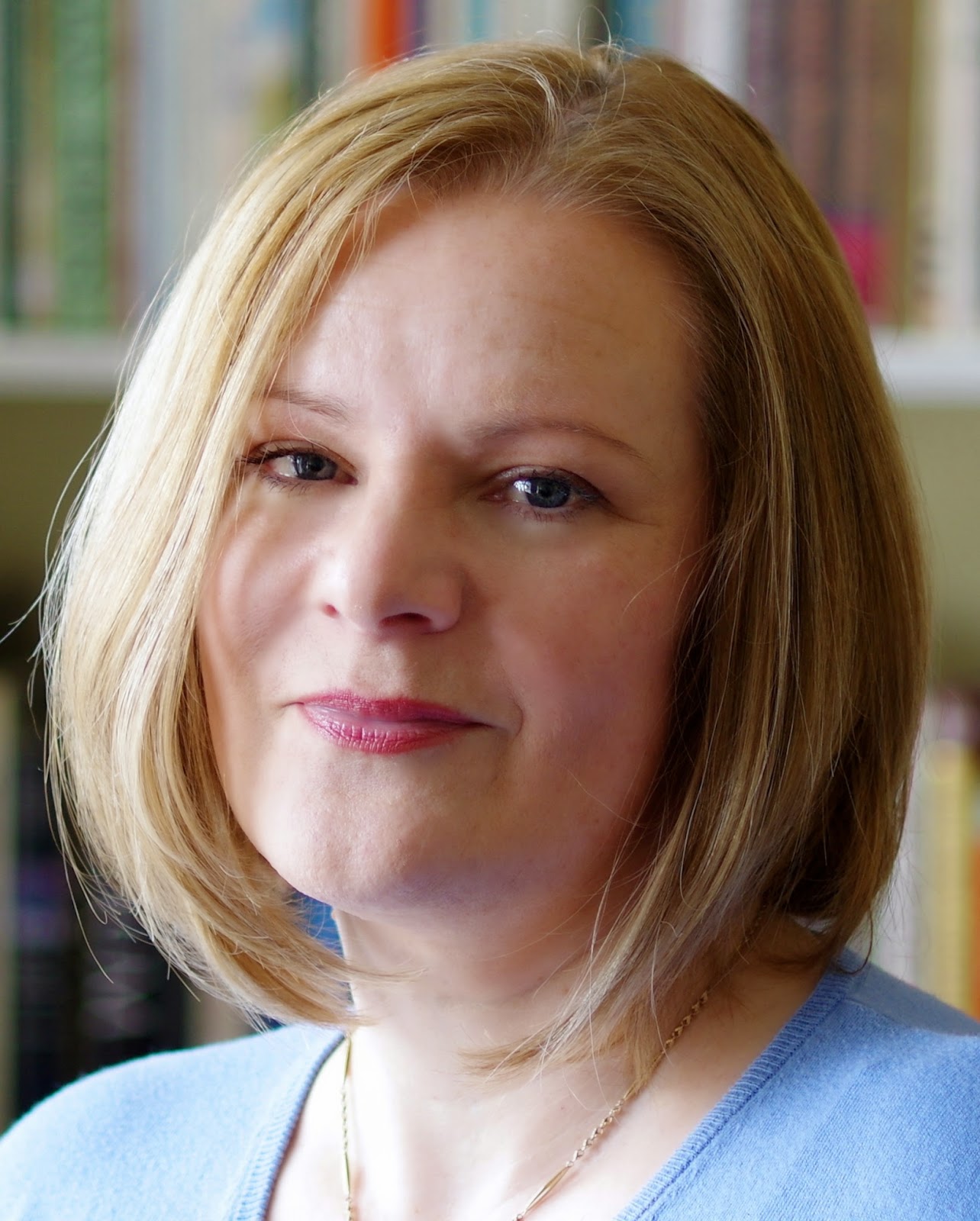
Writing as CF Dunn, Claire creates romantic thrillers with a historical twist, drawing on a degree in history and a career in literacy development to write stories that touch on people’s frailty and their unexpected strengths. Everyone has a story to tell, and she explores how the legacy of the past has an impact on the present and inevitably shapes the future.
With a historian husband, two creative daughters and a quirky Corgi, she divides her time between running a specialist dyslexia and autism school they founded in Kent, and writing in Cornwall.
C.F. Dunn
Romantic thrillers ~ with a twist
Website: http://www.cfdunn.co.uk
Pinterest: https://www.pinterest.com/clairefdunn/
Originally written by C.F.Dunn


