
 |
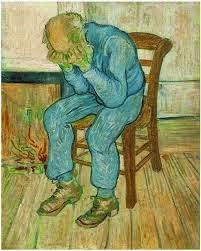
| Blues – depression, low spirits from adjectival blue low-spirited. Late 14c. |
I thought long and hard about the subject of this blog, first, because on the face of it, it doesn’t have much to do with writing, and that’s what we’re doing here, right? But also because it’s one of those subjects that We Don’t Like To Mention. A bit like Granny’s Little Secret, some things are best left undisturbed.
Disturbed: past participle adjective from disturb. Meaning “emotionally or mentally unstable”, and used as one of the many euphemisms associated with mental health issues. Which is precisely why I’d like to talk about it today.
Now, quite frankly, mental health is a vast topic which I cannot hope to do justice, so I’m going to focus on the implications for us as writers, as there can be few who have not been affected, either directly or indirectly, by Winston Churchill’s black dog.
It’s a well-known – if not yet fully understood – fact that there is a distinct correlation between creative personality types and anxiety and depression. That being so, if you aren’t one of those directly touched, you will know someone who is. Touched: ” stirred emotionally,” mid-14c., past participle adjective from touch (v.).
Alice G Walton said in Forbes not long ago, ‘…there’s something to be said for the highly-sensitive individual theory – that some of us may just be more in tune with the world, comedy and tragedy alike,’
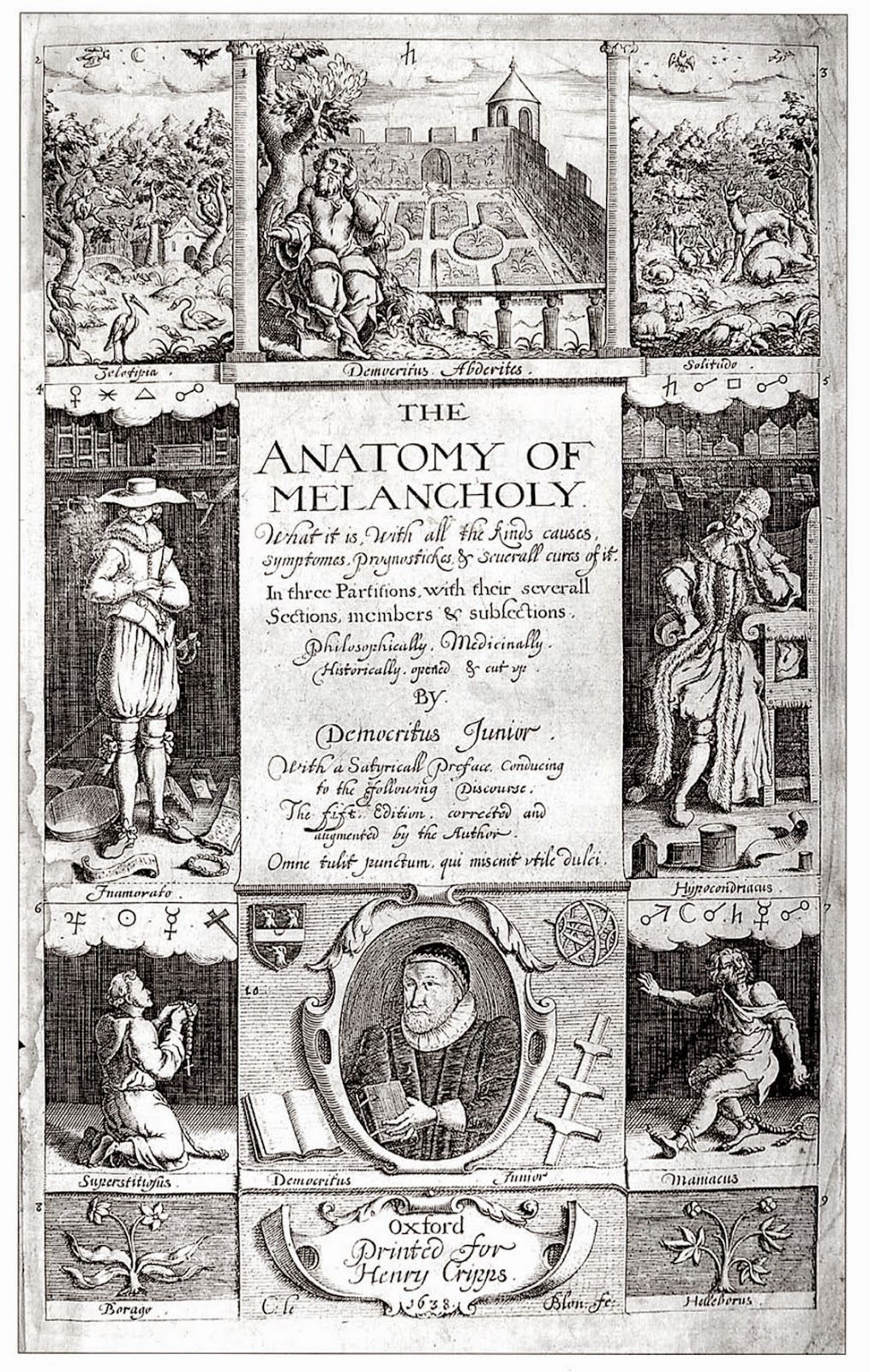
Many people go through a period of the blues. Depression has been associated with creativity for as long as mankind has written about it. Aristotle is reputed to have claimed that ‘no great genius has ever existed without a strain of madness’, and Robert Burton, a sixteenth-century English scholar attributed positive aspects of creativity to depression in his thousand-page treatise, The Anatomy of Melancholy.
Northamptonshire poet, John Clare (1793 – 1864), after years struggling with melancholy, was finally institutionalised with severe depression and delusions. Yet it was while in the asylum that he wrote one of his most famous poems, I Am.
I am—yet what I am none cares or knows;
My friends forsake me like a memory lost:
I am the self-consumer of my woes—
And when John Keats wrote Ode On Melancholy, he did so from personal experience.
But when the melancholy fit shall fall
Sudden from heaven like a weeping cloud,
Despite its long history, depression has been viewed with suspicion. The very description as a ‘mental illness’ makes it both difficult to identify because of its invisibility and subject to misinterpretation. Taboo surrounds it. We have few problems revealing we’ve had ‘flu or a broken leg, yet many people are unwilling to stand up and say, ‘I have a mental health problem.’ And why? Because there is still an element which sees depression as a matter of choice or a weakness. “Just try to be positive,” one genuinely helpful, but clueless, tutor told a severely depressed university student. “She’s just attention seeking,” one chap said of his elderly mother when the poor woman was beside herself with despair.
This unfortunate attitude towards depression has its roots in Classical antiquity when it was considered to be a sign of lassitude and a fault in character.(1) Throughout the medieval period, melancholy became associated with a sinful and slothful nature – a spiritual weakness – which lingers in peoples’ attitudes even today. Church leadership and communities are not immune to misconceptions.
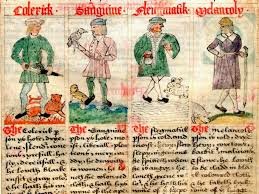 |
| Melancholy: condition characterized by sullenness, gloom, irritability, from Old French melancolie black bile, ill disposition, anger, annoyance (13c.), |
Who hasn’t had moments of self-doubt over the course of their writing career? Self-doubt and days of darkness do not, of course, equate to mental illness, but they give a glimpse into the persistent dark world of depression.
Statistics vary.(2) It is estimated that 350,000 people worldwide suffer from depression at some point in their lives, and with a significant number developing persistent low mood, we cannot afford to ignore this creeping tide of silence.
Writers are often blessed with sensitive and insightful observances of the depth and breadth of human experience that make them perhaps more prone to depression. Coupled with irregular hours and uncertain income, fear of failure and high levels of anxiety can haunt even the most successful writer.
Next month is Mental Health Awareness Week.(3) Identifying the signs of anxiety and depression is the first step in acknowledging them. Through understanding we are better able not only to support our friends and family, but recognise the warning signs in ourselves.
The last word goes to John Clare, again from his poem, I Am.
I long for scenes where man hath never trod
A place where woman never smiled or wept
There to abide with my Creator, God,
And sleep as I in childhood sweetly slept,
Untroubling and untroubled where I lie
The grass below—above the vaulted sky.
(1) Medieval humoral medicine inherited ancient Greek (famously Galen and Hippocratic) theories attributing depression to an excess of black bile, one of the body’s four humors.
For a guide to symptoms: http://www.helpguide.org/articles/depression/depression-signs-and-symptoms.htm
Depression and anxiety and the church: http://www.relevantmagazine.com/god/church/5-things-christians-should-know-about-depression-and-anxiety
A short, personal and watchable account of one man’s struggle with depression: https://www.youtube.com/watch?v=NvbWKwxA6YY
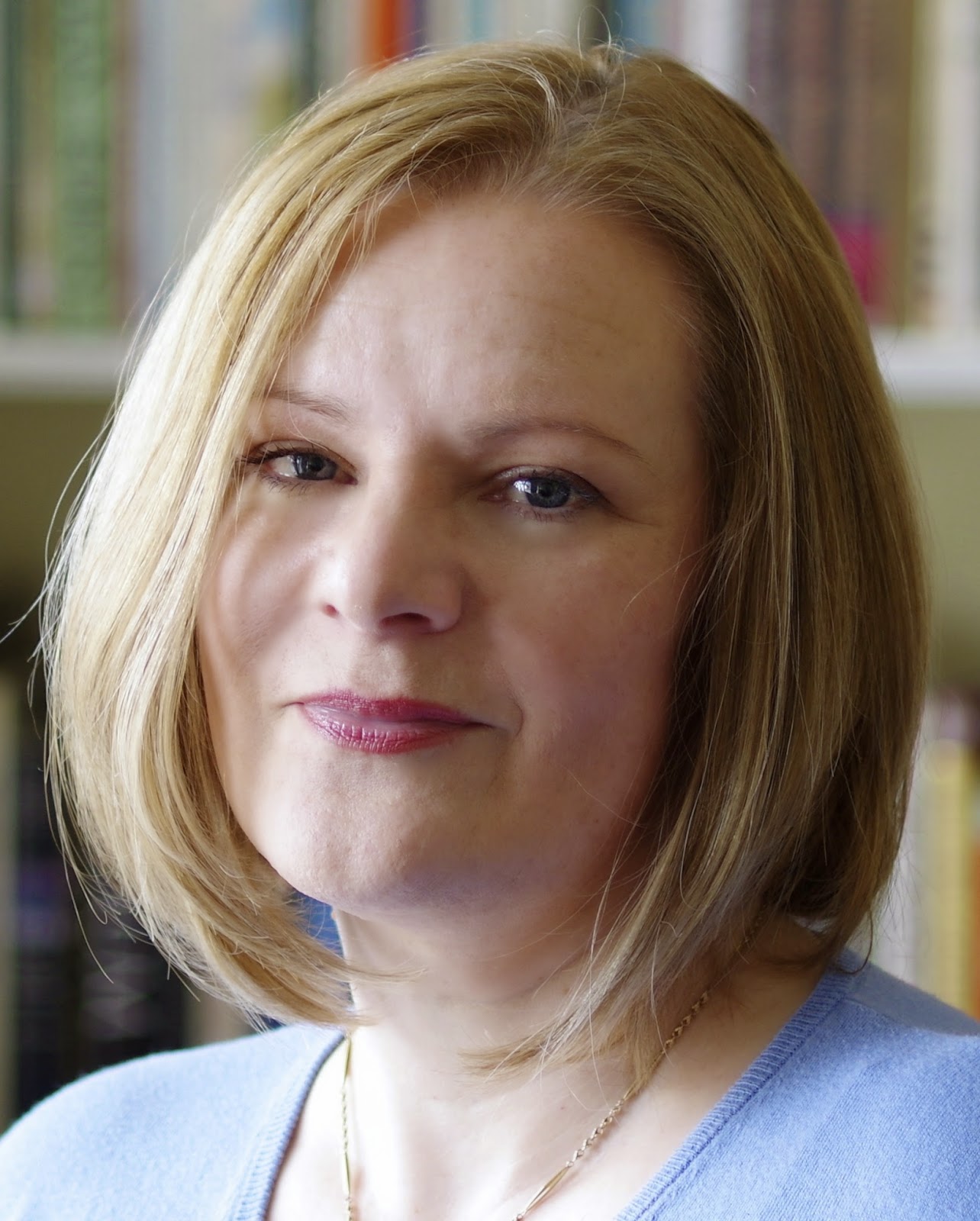
Writing as CF Dunn, Claire creates romantic thrillers with a historical twist, drawing on a degree in history and a career in literacy development to write stories that touch on people’s frailty and their unexpected strengths. Everyone has a story to tell, and she explores how the legacy of the past has an impact on the present and inevitably shapes the future.
With a historian husband, two creative daughters and a quirky Corgi, she divides her time between running a specialist dyslexia and autism school she founded in Kent, and writing in Cornwall.
C.F. Dunn
Romantic thrillers ~ with a twist
Secret of the Journal series: Mortal Fire ~ Death Be Not Proud ~ Rope of Sand ~ Realm of Darkness (2016)
Originally written by C.F.Dunn

