
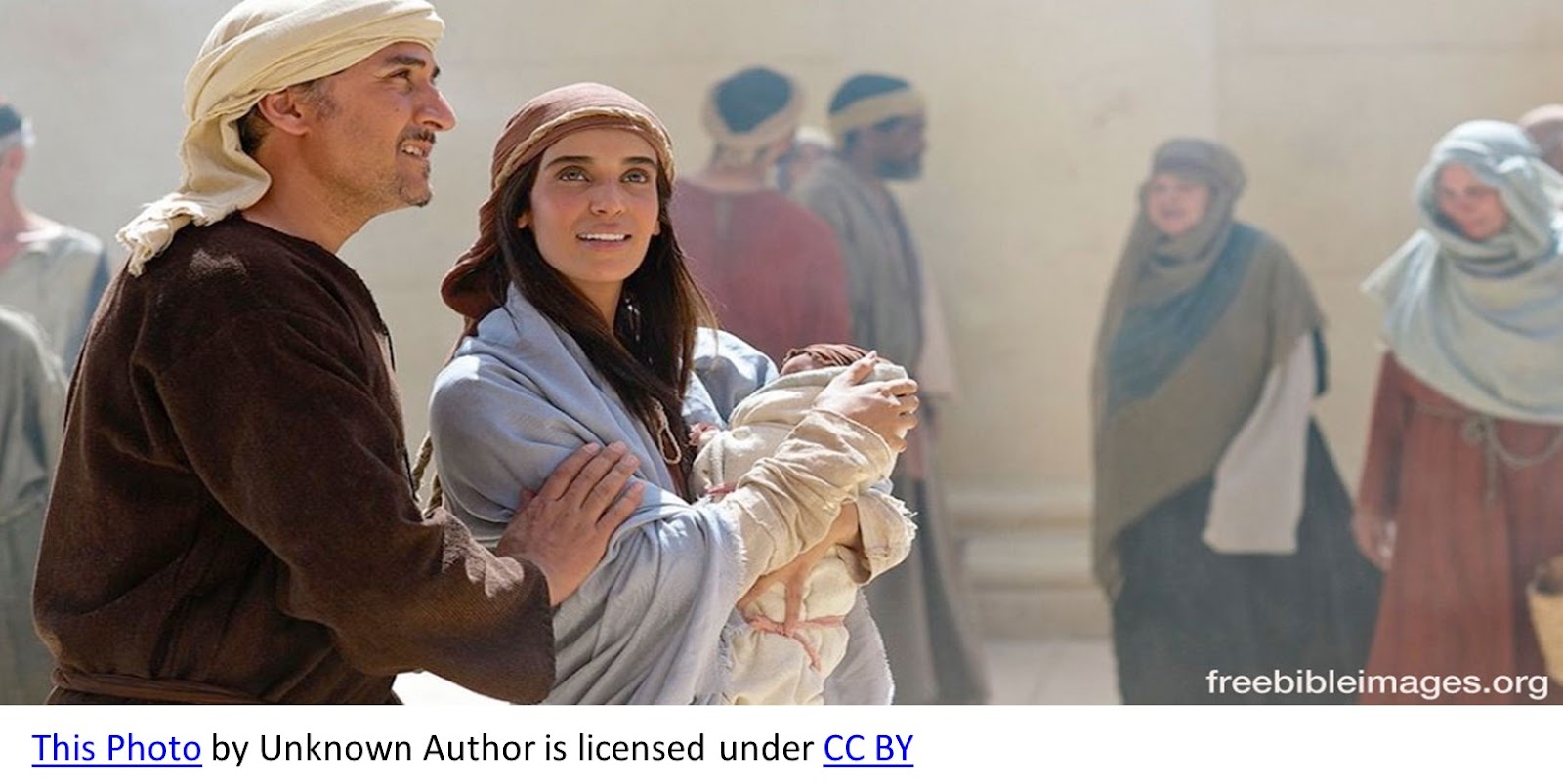
Mary was a poor Jewish girl from a small, inward-looking
community. (Remember, ‘Can anything good come out of Nazareth?’ John 1:46) She
would have been about thirteen when God ‘overshadowed’ her, as the Angel
Gabriel predicted, and she became pregnant with Jesus, the Son of God. Her
young age was no oddity in her day: she was already betrothed to Joseph and the
two were about to marry.
So, why this girl? What made God choose her?
Perhaps the fact that she had nothing special to recommend
her was the point. After all, Isaiah had prophesied that the Messiah would
appear unremarkable: “He had no beauty or majesty to attract us to him,
nothing in his appearance that we should desire him. He was
despised and rejected by mankind,” (Is 53:2-3).
Since such
a son could not be expected to emerge from a palace, it is likely that his
mother would also be outwardly unremarkable. The only outstanding prophecy about her
was that she would be a virgin, (Is.7:14).
RENDERED EXTRAORDINARY
Her
pristine womb would become a second Ark of the Covenant. The Ark, long missing,
had contained the Tablets of the Law, manna that sustained the Children of Israel and the staff of Aaron, the first priest. Mary’s womb bore the priestly founder of the New Covenant who is the Bread of Life. Her virgin womb also foreshadowed the prophesied virgin
tomb in which Jesus would lie at the end of his life (Is. 53:9).
This is
what rendered her extraordinary, rather than something innate in her. There were
many virgins in Israel at the time Mary conceived.
That she
lived and was fertile at that time is relevant, too. God timed Jesus’
ministry at an ideal moment of relative peace during the Roman occupation of
Judea and Israel, when roads were passable and relatively safe and information
could travel far and wide across the broad Roman Empire, enabling early
Christians to spread his message.
GOD’S NEW THING
In
contrast to super fertile young Mary, her elderly and presumed barren cousin, Elizabeth, was pregnant with the Messiah’s forerunner, announced by Isaiah (40:3)
and Malachi (4:5-6): John the Baptist. Elizabeth stood at the end of a line of Old Testament women, like Sarah,
Rachel and Hannah who struggled to become pregnant. Each of them eventually became
mothers to significant sons.
LINEAGE
An adoptive
father was considered a fully-fledged father and Jesus could legitimately claim Joseph’s lineage
as his own.
Joseph’s two gospel genealogies demonstrate that Joseph was of the tribe of Judah, from King
David’s line, from which the Messiah was widely expected to come. Isaiah predicted
that from David’s father Jesse’s “roots a branch will bear fruit,” (Is.11:1). (The
origin of the name Nazareth is thought to be netzer = branch. So that
town, however insignificant, would appear a fitting home for Jesus, the ‘branch’.)
Mary’s
lineage has not come down to us. It is evident she was partly— and perhaps fully—
of the priestly tribe of Levi, since Elizabeth was her relative. Married to the
priest Zechariah, Elizabeth would of necessity have been a purebred Levite (See
priestly marriage rules in Leviticus 21). A prophet, also called Zechariah, had
prophesied centuries before that the throne (Judah) and priesthood
( Levi) would be united in one leader (Zech.6:1-15).
STRONG FAITH
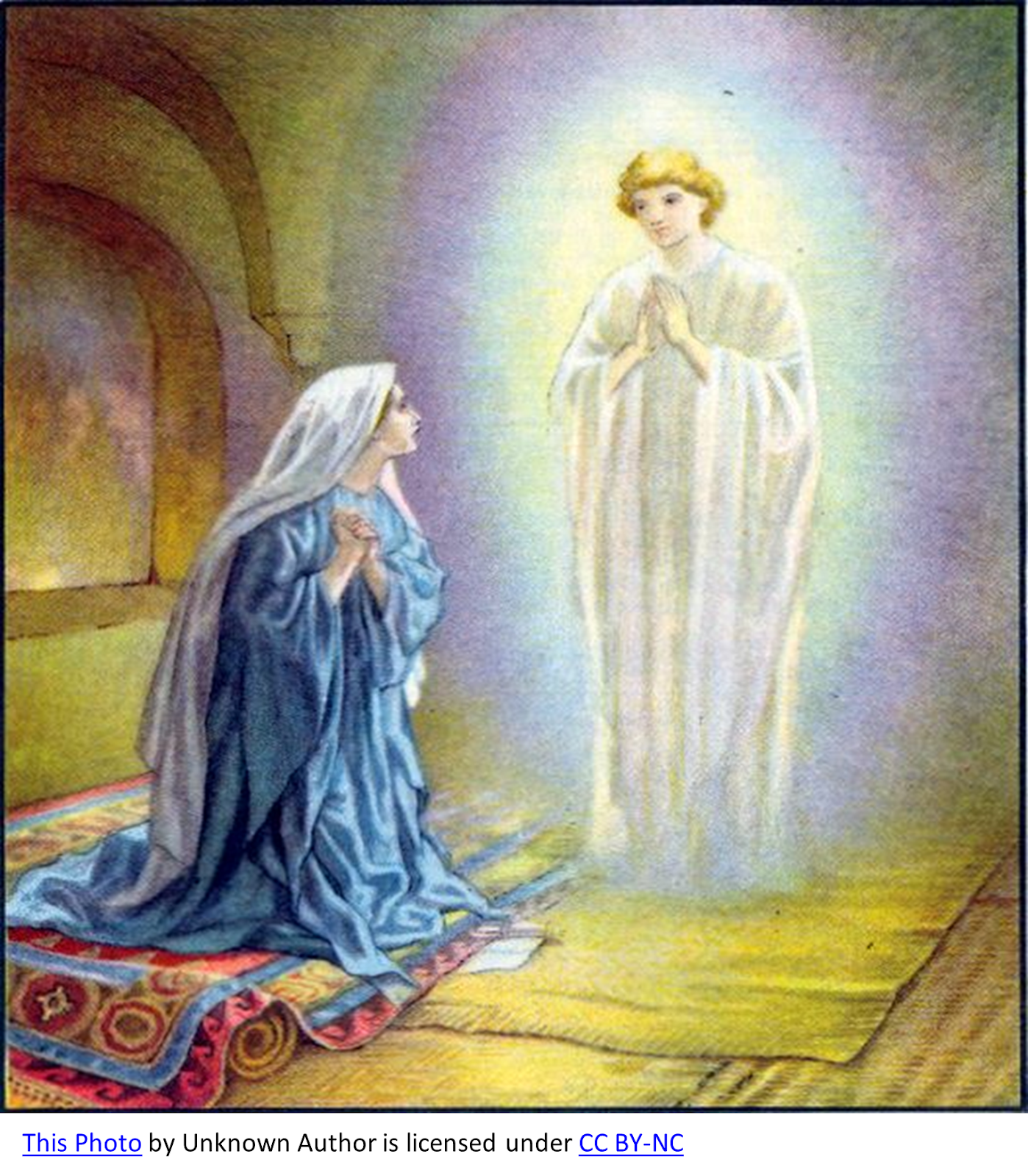
From Mary’s
conversation with Gabriel in Luke 1, we understand that she was full of faith, accepting
what God had for her, despite the potential shame that such a pregnancy could
bring upon her family’s name. In an honour-shame society like that she lived
in, this could even cost her her life. Her trust in God is further underlined by
her warrior-woman-like song, (Luke1:45-55), that follows the great tradition of
women’s songs, like those of Deborah, Hannah and Miriam.
From the
perspective of her profile, geography, era and faith, Mary was a good candidate
to bear God’s son, Jesus.
JOSEPH
But what
clinched it for God and made him choose her? Why does He choose any one person
for a role? Why did He choose Sarah, the wife of Abraham, to ultimately become the mother of as many offspring as the stars in the sky or grains of sand on
the shore (Gen.22:17)? The answer has to be because she was the wife of a man
of unwavering faith: Abraham.
So, perhaps
it was Joseph’s qualities that made God choose Mary. Joseph was a man ‘faithful
to the law’ (Mat.1:19). God knew the two would bring Jesus up in faith and love of the Scriptures.
THE FOOLISH THINGS TO SHAME THE WISE?
That
doesn’t seem enough, does it? We want more tangible reasons. But, try as we
might to get closer to what made this pair so special, ultimately, we have to
accept that God had His reasons, which we may not always know.
God
chose Mary and Joseph because He chose Mary and Joseph. His thoughts are not
our thoughts, nor are his ways our ways, Isaiah explains. “As the heavens are
higher than the earth, so are (His) ways higher than (our) ways and (His) thoughts than (our) thoughts,” (Is.55:8-9).

Bobbie Ann Cole is a Christian writer, speaker and writing
teacher, who is currently writing Mary of Nazareth’s story. Check out her coaching, courses and free groups here.

