
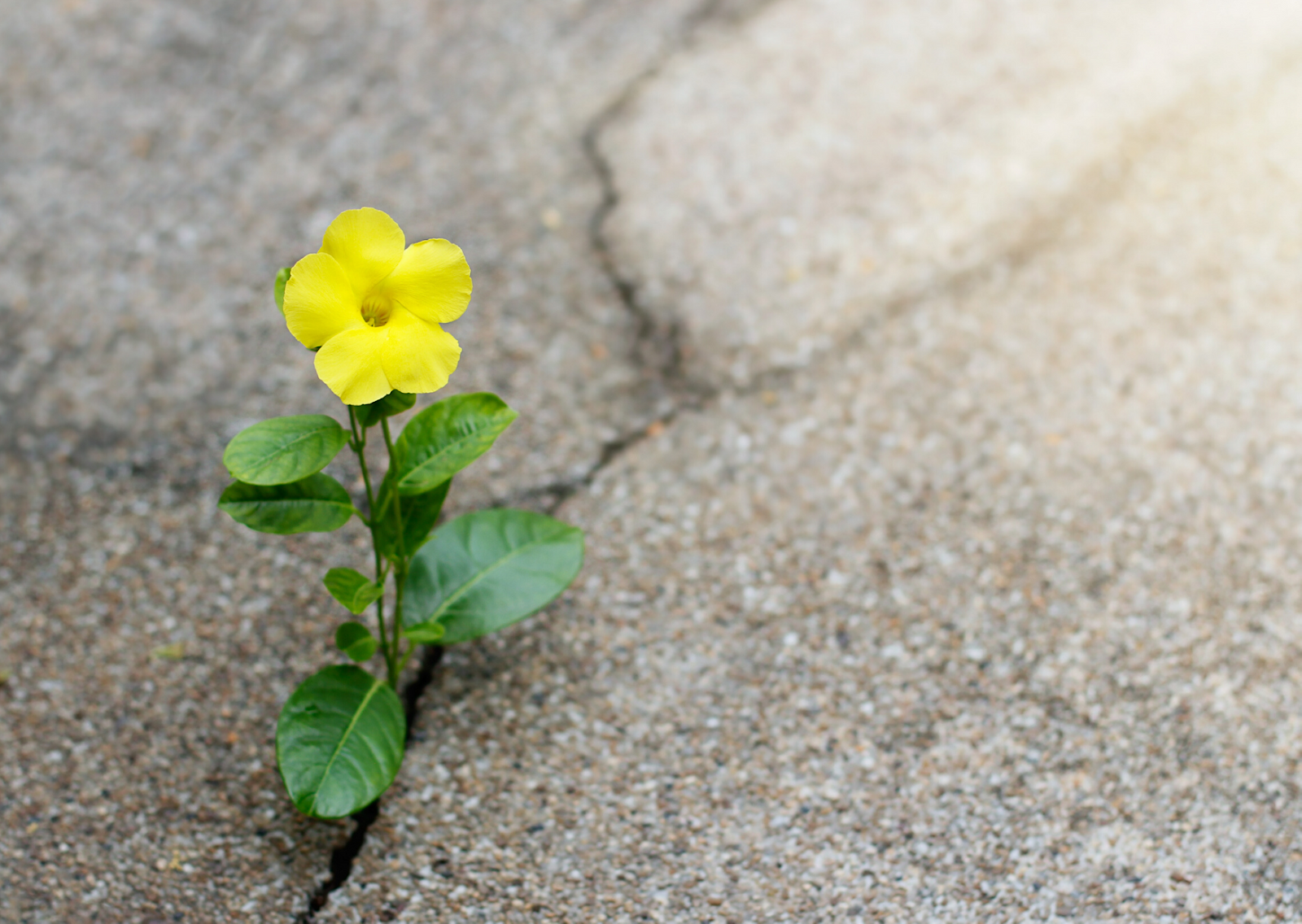
All over the world we are waiting. Waiting with dread, with worry, with uncertainty. We’re waiting with a heavy sense of something very wrong. Creation is groaning, and we’re joining in.
As a writer, in these times I am challenged. I could write bitterness. I could write anger. I could write my own sense of vulnerability, my own story of living with a condition that would not work well with this virus. And I probably will, because we need to write the hard things, we need to write the stuff that resonates with those who struggle. But if we write the sadness, perhaps we can challenge ourselves to write hope, too. Hope lifts. Hope streams through darkness and lifts heads and hands. The hope we have in our God is a unique hope, it’s a hope that surrounds and upholds even in the hopeless days. I’d like to explore today how three writers wrote hope, and think about what we can learn from their words.
1. JRR Tolkien
In Lord of the Rings, Frodo and Samwise are asked to undertake the most difficult of tasks – getting the ring to the evil of Mordor to destroy it. In a moment of utter despair, Frodo is all ready to throw it all in. But Sam calls him to hope:
Sam is doing something here that we as writers can get behind with all our might: He’s reminding Frodo of the power of story. Reminding him of what has passed, and what will pass, and of the truth that the sun will still shine. These powerful words are a call to all of us to look for the sun behind the clouds, to keep holding on even when our fingers are tired and slipping. A reminder of a hope that never, ever fails.
2. Amy Carmichael:
I am so inspired by the life of Amy Carmichael, a missionary in the late 19th century who set up an orphanage in India for some of the discarded children (mostly girls) in society at the time. After a while she became very ill, and was consigned to her bed where she continued to write about her faith in God, despite her pain – which she called ‘fetters of iron.’ Her words speak greatly to me as someone who also suffers from chronic illness – so honest, and yet so suffused with great hope:
These words of hope seep into our deepest places and blow apart the lies and the negativity which can so easily take hold. Amy, like Tolkien, reminds us of the hope ahead – the hope that never fails – for after winter, there is also spring. I pray that today, for any of you reading who are feeling engulfed in winter for any reason, you may get a glimpse of glorious spring.
3. St Paul.
In Romans 8, Paul writes eloquently about future hope in a painful present:
These words speak clearly of something being wrong, of creation groaning as we wait for something right. It’s because of those glimpses we get of that something that we are able to hold on to hope, because we have seen in the redemptive work of Jesus that all will be made right. I don’t know about you, but these words resonate so greatly with me in a time when the world is sighing and weeping and waiting. Later in that chapter, Paul sums up his call to hope with these enticing words:
As a Christian writer I feel called to write the hope as well as the despair. Sometimes the time will be right for the despair only, and sometimes for the hope to be added. Hope can be written in so many ways, through story, through fiction narrative, through scripture exposition, through our own lives. Today I pray that we can all catch a sense of this glorious hope that holds and enfolds us, and write it for a hopeless world.
Liz Carter is an author and blogger who likes to write about finding hope in the painful times of life. Her first book, Catching Contentment, explores what it means to find peace in a lesser life.

