
“And the Word became
flesh and tabernacled among us. We looked upon His glory, the glory of the one
and only from the Father, full of grace and truth.”
(John 1:14 TLV)
Don’t you love John Chapter One, starting with verse 1:1 and how it echoes Genesis 1:1? John’s point is
that God spoke the world into life. This Word was not just there in the
beginning. It was there before the beginning, as the power and impetus
that created the heavens and the earth. He was the Spirit hovering over the
deep.
Now that Word had
become flesh and John is excited to tell us all about God’s Son, Jesus,
something we all who are in faith have been thinking about over Christmas – how
the Word came to us in the form of a human baby.
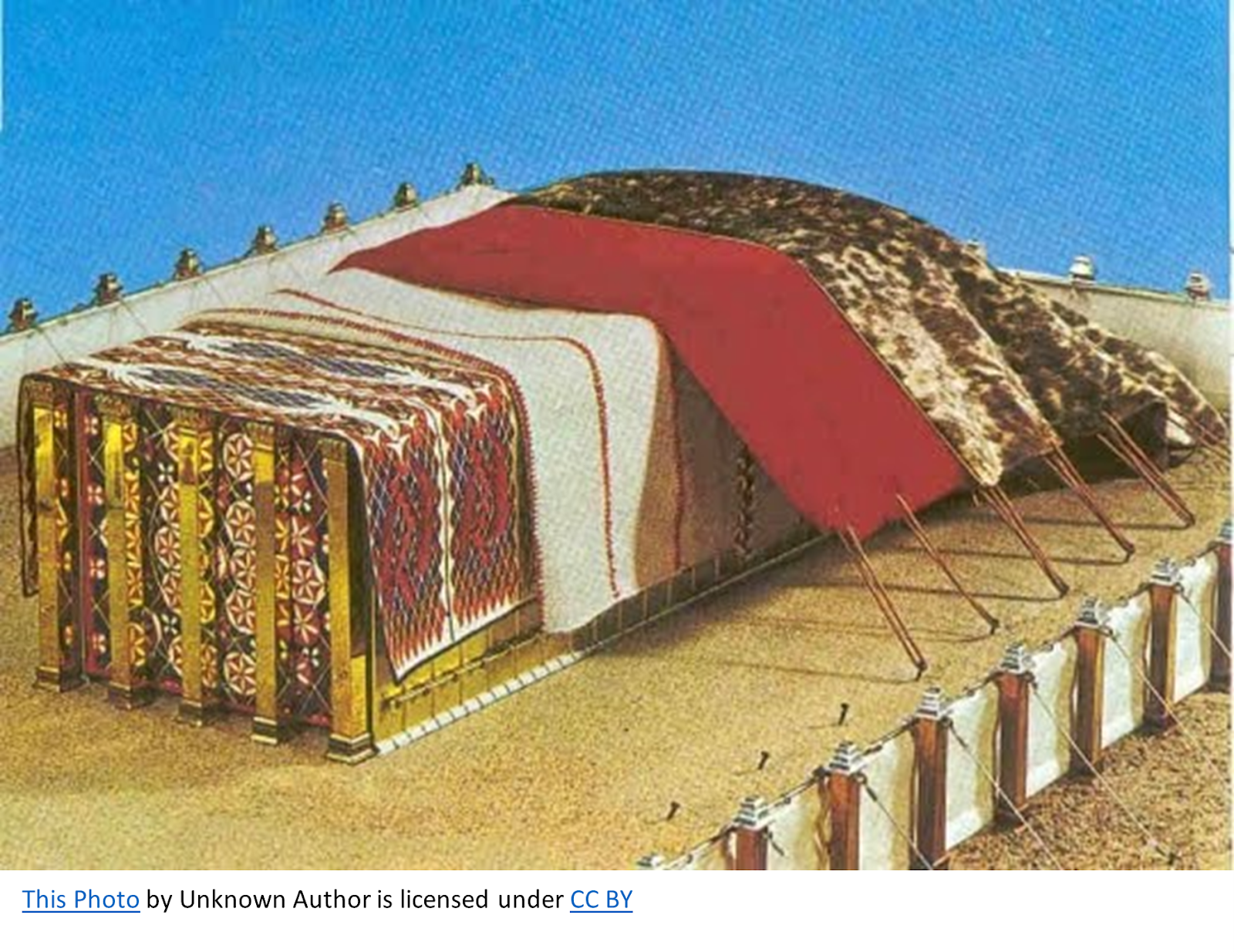
The word ‘tabernacled’
in John 1:14, that you may see as ‘dwelt’, in your Bible, has long fascinated
me because it seems such an odd choice of noun to turn into a verb. But at the
same time a super expressive one. What does it mean?
The Greek is eskenosen,
from the verb skenoo, (which is Semitic in origin – i.e. like Hebrew).
It means ‘to have a tent’ or ‘to pitch a tent’. Immediately, we see the temporary
angle, for tents are temporary dwellings. The Word became flesh to dwell with
us for a season.
That Word was also
holy, like the Tabernacle tent of worship the Children of Israel carried on
their desert wanderings. God told Moses, “Have them make a sanctuary for me, and I will dwell among them,” (Ex. 25:8).
The Hebrew b’tochem, translated here as ‘among’ can be both ‘in their
midst’ or ‘within them’.
Jesus, holy in our hearts
and spirits, came to dwell among us as flesh and blood for a season, but also
within us, for the duration.
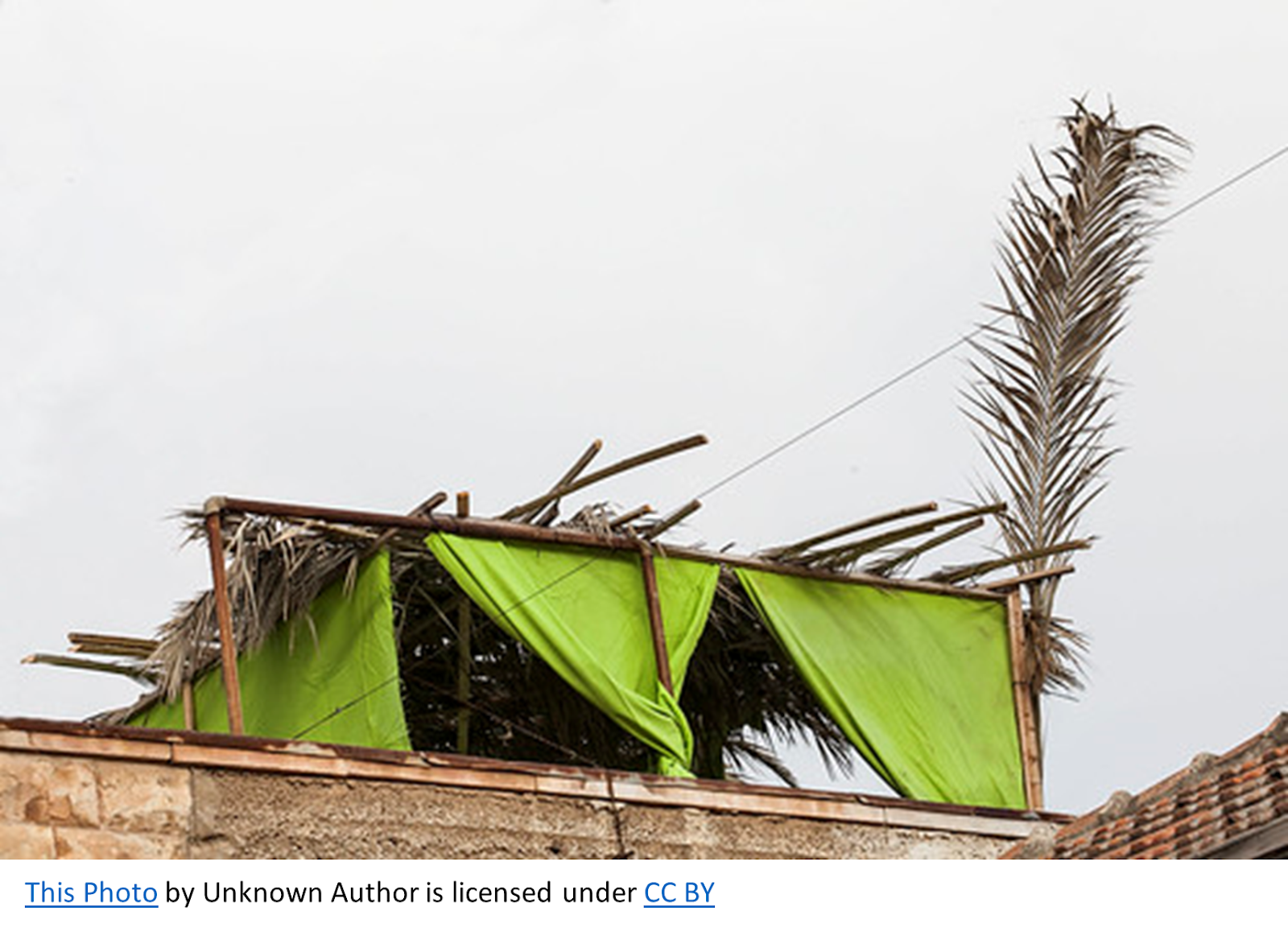
As a man, he became
like a sukkah, a temporary shelter for the Jewish festival of Sukkot
or Tabernacles. A sukkah is a vulnerable type of dwelling, with a roof, but you must be able to see the sky, and walls, but
not four of them. The Feast of Tabernacles has a dual purpose:
· to emphasize the fragility of life and our total
dependence on God
· to celebrate the harvest
An old hymn asks, “Who am I, that for my sake my Lord should take frail flesh and die?” Indeed, that is the question.
And the answer would seem to lie in his Hebrew name, Yeshua, which means ‘Salvation’.
As to celebrating the harvest.
Jesus’ coming was timely. “Lift
up your eyes and look at the fields,” he said, “for they are already white for
harvest!” (John 4:35 NKJV).
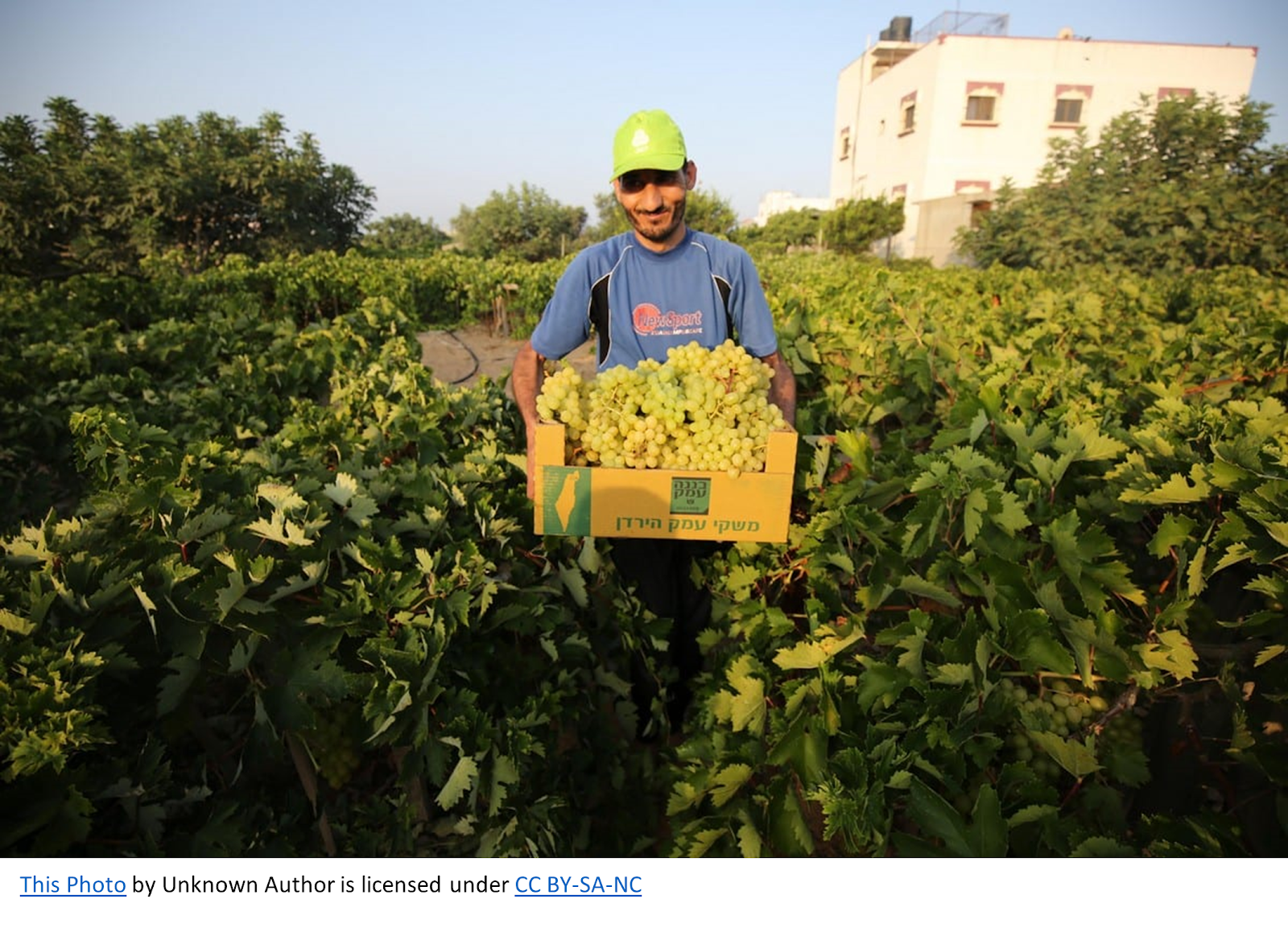
He showed us how to
reap that harvest by his actions and teachings while he tabernacled with us here
on earth.
A new cohort of Bobbie’s
BOOK COMPASS COURSE starts on Jan 10. There is also a self-paced option.
Coming soon – Book Compass Kickstart – a done for you bible of every aspect of your
book: content, time management, publication plan and marketing as you write.
You will know your ideal reader and how to approach them. This course will leave you ready to write with
ease. Contact bobbie@bobbieanncole.com.
“Your questions drew forth insights about who I am and why I
want to write the book.” Christine Cleave
“Bobbie is an excellent teacher with several books
under her belt. I would definitely recommend this course to anyone thinking of
putting pen to paper and authoring a book.” Esther Wintringham
“An extremely thorough ‘road map’ to the process
of preparing to write and publish a book. Bobbie encourages you to engage with
every step of the process from considering who your ideal reader is to how to
produce a considered outline and analysing similar titles in your genre, and
how to come up with a marketing strategy. The material is excellent and
thought-provoking, and her feedback highly encouraging.” Bess Twiston-Davies

