
 |
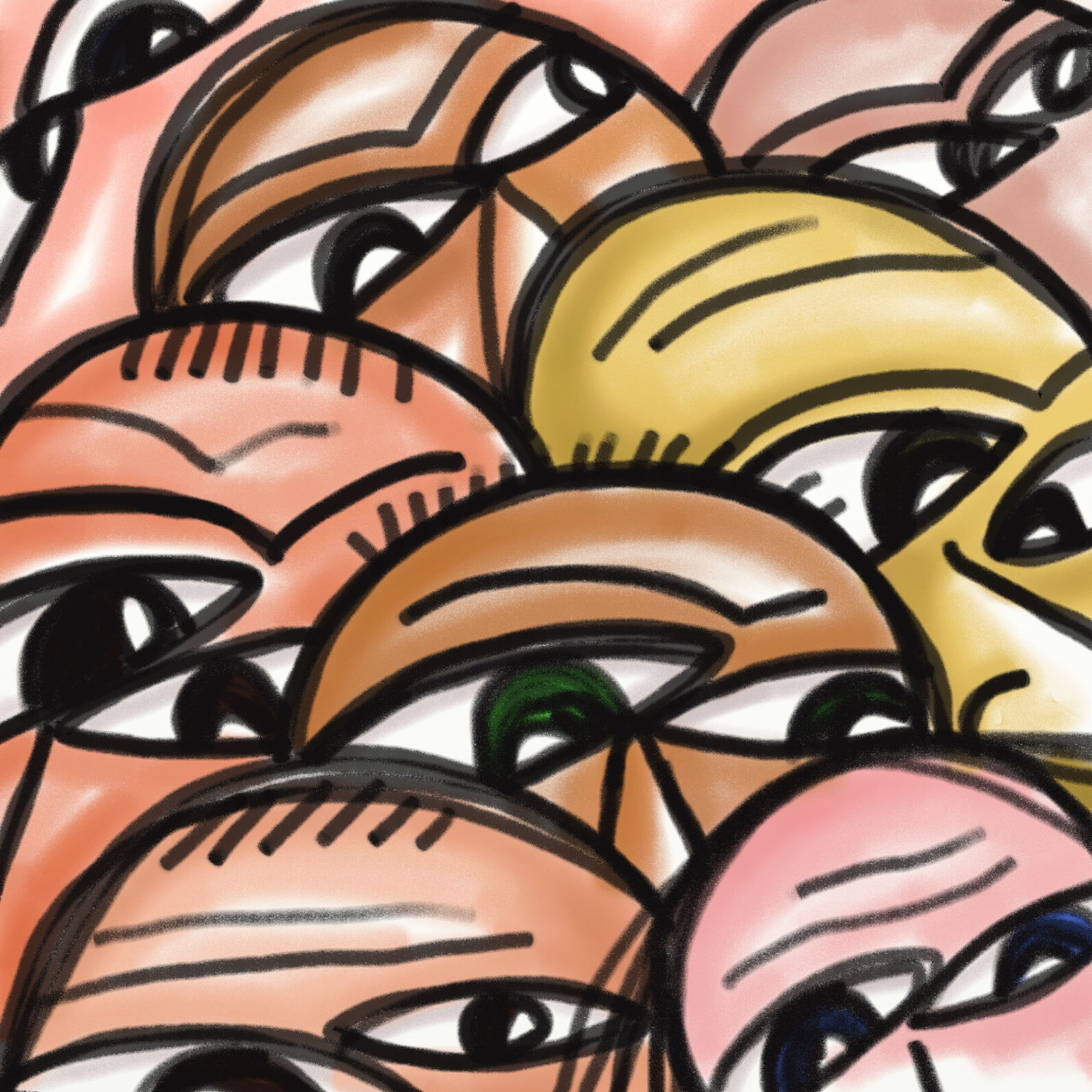
| prawny on freeimages |
What do you most enjoy about reading? The opportunity to learn about
a different time or place? To escape into a fictional world? The
satisfaction of a good thriller or crime story?
For me, part of the joy of reading is seeing myself in the pages of a
book. The moment when I have to pause my reading because it feels
like the author has reached inside my head and written down my exact
thoughts or feelings. And expressed them more coherently than I could
ever do. Maybe it’s a character who shares my deepest concerns, or
a relationship that sums up how I feel about a best friend or a
bully.
It’s such a powerful experience. I feel validated. Someone else has
felt like this, thought like this. I’m not alone.
It’s a regular experience in Bible reading, God often speaks to me
like this. I hope you find that too.
The characters that we relate to in the Bible are very different to
ourselves; living in a different time and culture. That doesn’t
stop God from using them to speak to our twentieth century world.
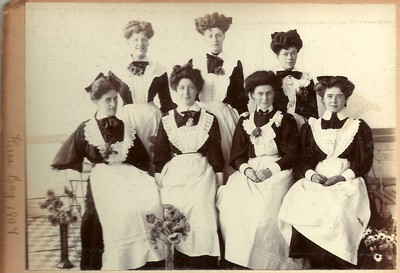
It’s the same in fiction. That experience of being ‘seen’ can
occur when reading about people like us, or people very different
from us. A good writer helps us to find the shared humanity in
characters wherever they live and whatever they look like; allowing
us to relate to hobbits or centaurs or even Martians from the year
3056. To an Edwardian servant or a medieval wise woman; an Ethiopian
businessman or an Indonesian schoolgirl.
The character you most relate to doesn’t need to be like you.
People who look like you may have very different personalities and
life experiences; they may feel as unrelatable as we’d imagine a
stone age woman or futuristic robot to be.
So why is it so important that fiction portrays a range of races,
religions, ages, disabilities, sexualities…?
Because we all need to see ourselves somewhere in what we read.
Seeing can mean feeling understood. But it also means looking alike,
or sharing experiences. In contemporary fiction, that means a
racially and culturally diverse cast. In other genres it might be
more subtle, but good fantasy or sci-fi will reflect the best and
worst of society: characters from the fringes being valued for what
they can contribute; mixed race relationships overcoming prejudice,
etc.
What do you think? Do you see yourself in the books you read? And can
others see themselves in what you write?


