
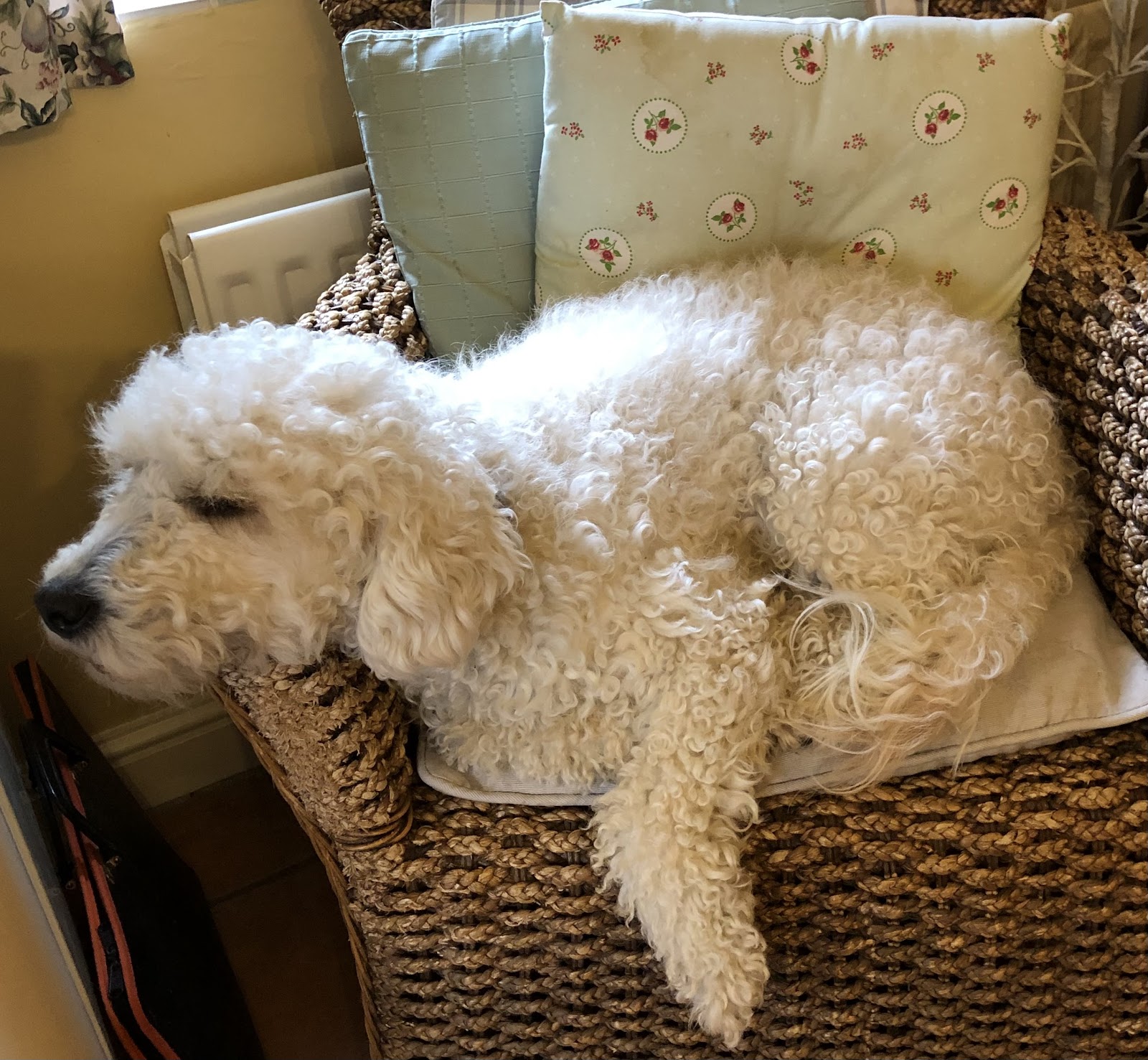
I am sitting in the little cafe in Waitrose, typing this, while Ken my husband does the shopping. This is something he loves and it used to be that he’d disappear off on an appointed day and return home with nearly all the essentials and few bargains he had found. A hunter gatherer in action. He didn’t usually go to Waitrose, but it’s very handy when he is also taking the dog to the groomers, as we did today.
I am now the driver as his eyes have deteriorated. This is a fairly recent change and because we live rurally and he has many health appointments, it takes a lot of time. Including writing time. I’m sure he will accept that he can use taxis at some point, but for now it is enough of a change to be driven rather than drive. So I am in the process of adjusting too – taking books to read while he waits for his appointments at the surgery or hospital and my iPad wherever there will be a quiet place to write. And doing plenty of writerly things in odd moments, rather than wasting them.
It has made me think about change and the way we write about it. Have we created characters that can be flexible? Or are they stubborn and refusing to change until there is a climax that forces them to behave differently?
And what about settings for our stories they can be changeable or rigid. Does all the action take place in one room, or street, or village, or country? How does the setting affect the character? And what about the weather – is our character happy in the sun and grumpy in the rain and cold or does he/she greet the day with joy on their heart whatever the weather.
Circumstances and life events bring about change in the settings or characters. We know that needs to be shown through our writing because we have experienced it ourselves. Someone we love may die and we know and often say ‘It will never be the same without her.’ The life event may be a catalyst for change, or indeed the turning point of our novel or memoir.
Some change may be subtle. In my latest (as yet unpublished) book, Em is studying English at A level. I have tried to make her language more complicated as she writes journal entries recorded over time. Studying good A level texts has made her writing change. Her sentences are longer, her language fuller. She has a much bigger change in her life too, so her thought patterns, feelings and spirit each change as she adapts.
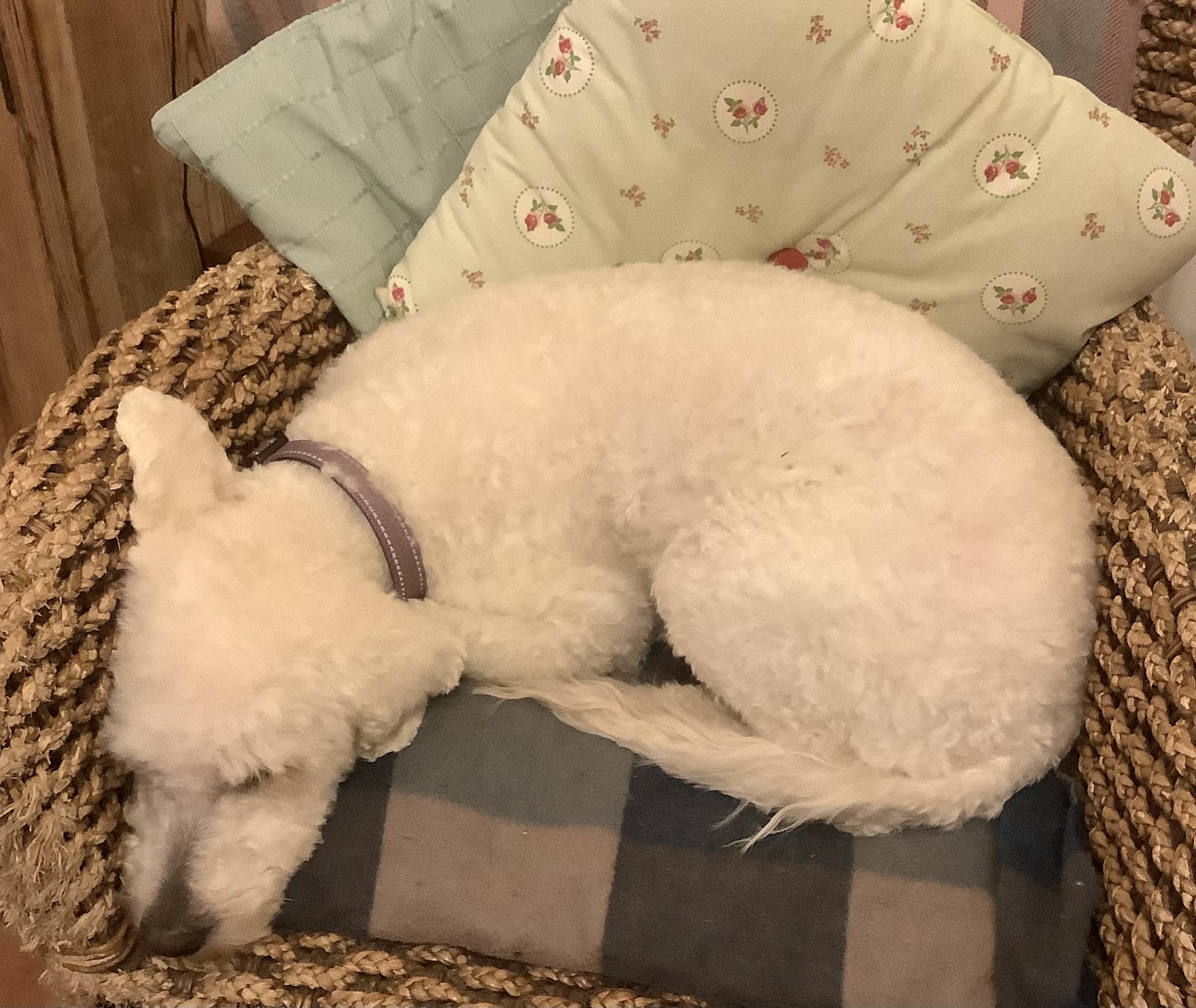
And now we have to get used to having a smartly groomed dog again. I’m pretty sure she doesn’t think much of this change because she is very eager to roll on the molehills in the garden! But I am very pleased to stop trying to keep her still while I brush through her long tangled coat.
This week we celebrate the biggest event in history when one man, God’s son, died for us all and rose again. How has this changed your life?
Annie Try is a Christian writer, church leader and encourager.. She writes contemporary stories for grown-ups and for young adults and has recently revived her website (with much help) Find her at annie-try.co.uk
.

