When I start writing, sentences bounce out of me muddled and disordered, but at least the mind is working and the ink is flowing. I chew over word choices, alternate sentence construction and reorder paragraphs. Yet, when my editors start to work, they immediately spot alternative meanings to the one I had in mind. Cheerily they snip and sew pieces of text together like happy tailors. I am not good at simplicity. They are. Detached from my pride, they work the words round in their minds, examining more critically how meaning is conveyed and challenging me to get to the nub of what I am trying to say. I am not always sure what it is I am saying! Albert Einstein said “If you can’t explain it simply, you don’t understand it well enough.”
Research suggests in 2025 the average person is skimming through 100,000 digital words a day, thus changing the nature of how we read, many are adept skimmers. Clarity of phrase, succinctness of words and economy of detail seem to be more essential than ever. The recent bestsellers I have read are a far cry from the Brontes, Dickens and Austen. My daughter recently introduced me to this cheery acronym, ‘TLDR’ or too long: didn’t read — chilling!
I would love your ideas on how you distilling your WIP.
A quick google search I did on how to simplify your text suggested several ways. Dumbing it down, though, this was not a great favourite. While it might make it more accessible, the nuance and integrity are compromised. Complication not complexity needs weeding out. Reductionism? But there is the danger of distorting the message when assumptions fill the gaps.
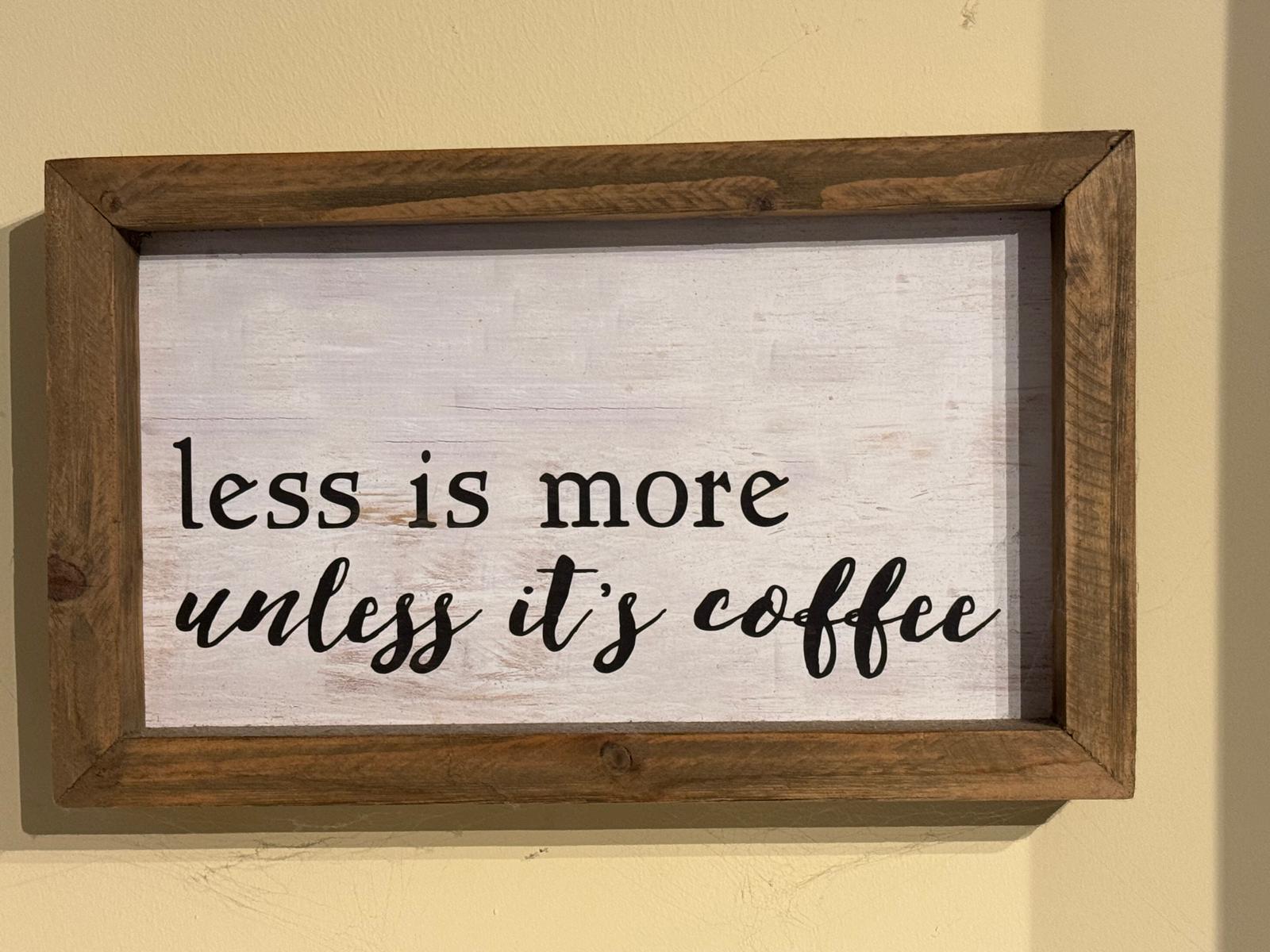
The minimalist writing style has the most appeal. Designed to cut the frills in favour of providing clues to follow, the reader is drawn into a more intimate relationship with the book. As the writer leaves space for the imagination to work, the reader participates more deepening the bond with the story.
When Steve Jobs died, ‘iSad’ was as a comment that popped up on Twitter (latterly known as X). Simple yet containing complexity. That’s what I want to be able to do in my writing.
I really enjoyed Martin Horton’s stimulus for us to write in his last blog. Sadly I don’t have three excellent words to use, but when I read Richard Osman’s ‘We Solve Murders’, I wondered if he had made a list of British traits and then spun a tale to incorporate them. So here are my suggestions if you need a break through with writing block today, how about a poem, short story or reflection using; cats, drinking tea and a visit to Greggs, or choose your own. Happy Writing.