
I wonder how you define ‘good’ writing? It’s a question that’s been on my mind as I put this together, my first offering for the More Than Writers blog. I’ve written in one form or another for years, but I’ve only been a member of ACW for a few months. Will my blogs be good enough? Can my words match up to other entries? What on earth have I taken on?!

What exactly is the benchmark for ‘good’ writing though? When I think back, it has varied hugely, depending on the context I’ve been in, and it’s seldom been measurable. I worked in academia for many years. Whenever new students or junior researchers started working with us, one of our first concerns was ‘can they write?’ There wasn’t really an objective way of assessing this. However, if they ‘couldn’t,’ this would inevitably mean more work for senior team members, because multiple drafts would be required before research papers were ready to submit to scientific journals. At the start of my career, it was hard not to view the number of tracked changes supervisors made to my documents as an implicit measure of their quality. When we had to write materials for members of the public who might take part in our research studies, ‘good’ was different again – had we avoided jargon? Were we being absolutely clear about what was involved? In further contrast, ‘good’ writing when preparing teaching materials for medical students explained difficult concepts in a deliberately technical, yet accessible way.
As a researcher, my worth depended almost entirely on my outputs. The volume of research papers I had published; the amount of grant income I brought in; the number of students I supervised and so on. It was a vicious cycle: if I couldn’t win grants, I couldn’t do research to turn into papers; if I didn’t publish, I wouldn’t be awarded grants. To misquote the Duke of Wellington, one had to ‘publish [or] be damned.’
It’s been a few years since I left that world, but it’s hard to shake off the mindset. I’m sure I’m not the only one, though, who has found themselves with a tinge of imposter syndrome, joining a community like ACW. How can my words sit alongside those of authors who have published multiple books? Wherever we are on the spectrum of writing experience, there is always a risk that we start to think along similar lines, comparing ourselves to those around us. We’re only human.
Thankfully, however, words don’t define my worth or yours. I need to keep reminding myself that it’s only because of grace that I am actually anywhere near ‘good enough.’ We also each have our own tasks, assigned to us and us alone. As I embark on this writing journey, I look forward to finding out what mine are and sharing them with you.
‘For it is by grace you have been saved, through faith—and this is not from yourselves, it is the gift of God – not by works, so that no one can boast. For we are God’s handiwork, created in Christ Jesus to do good works, which God prepared in advance for us to do.’ (Ephesians 2:8-10)
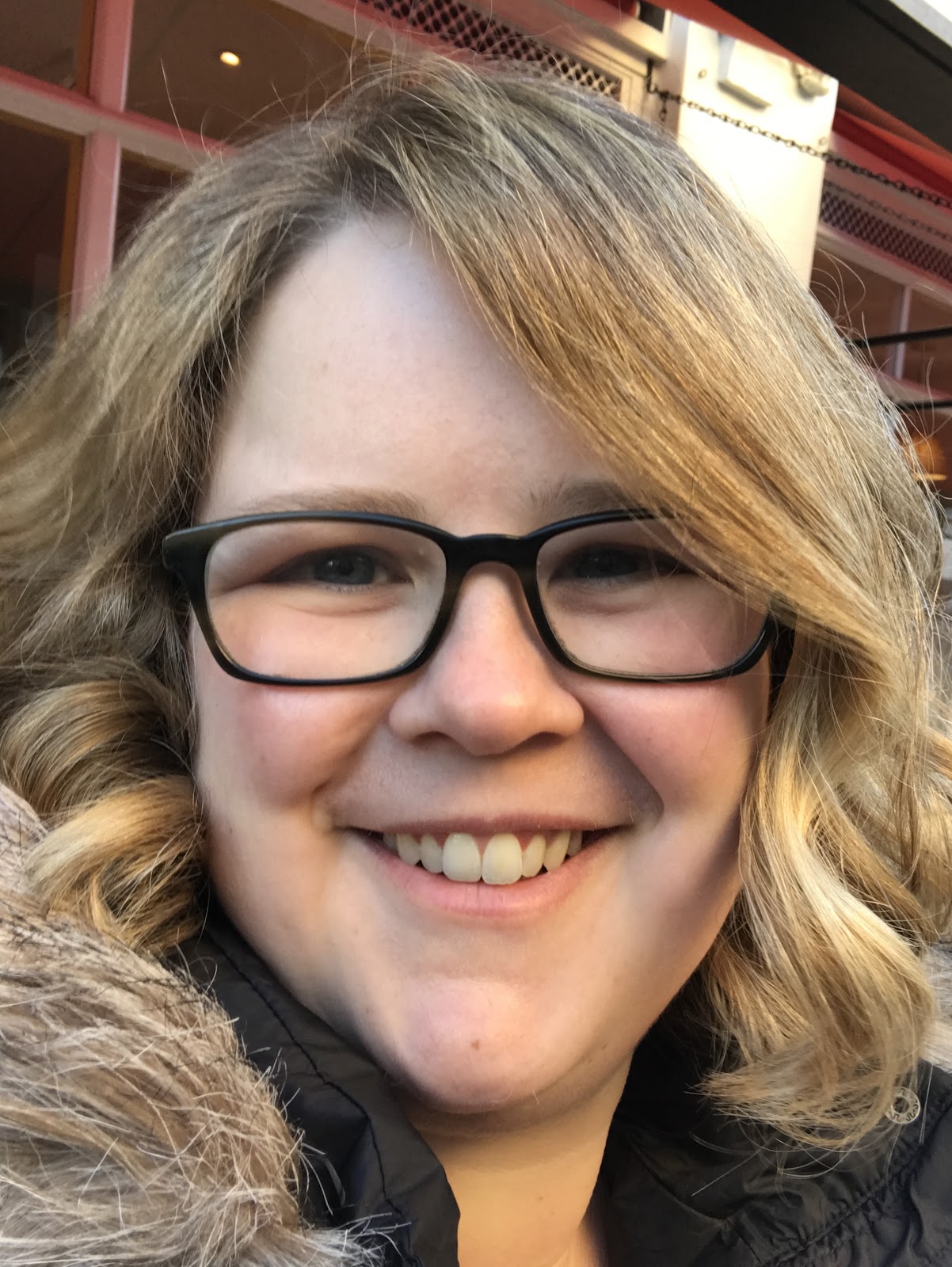
Helen Hewitt lives in southwest London with her husband and two young daughters. Formerly a public health doctor and clinical academic, she now runs a social enterprise which combines a microbakery and community gardening project (@nourishandgrow_food). Helen is a member of the Community of Hopeweavers.
By Helen Hewitt

