
Here’s my recollection of the first ACW event I attended.
I arrived earlier than most – a keen newie; put my solitary book on a table
in the vestibule and worked my way to a seat in the hall ready to listen to the morning’s speakers. At the break, we all shuffled out to see if anyone had shown an
interest in our book(s) and to look at other authors’ work.
To say I was shocked, surprised, and amused in equal measure
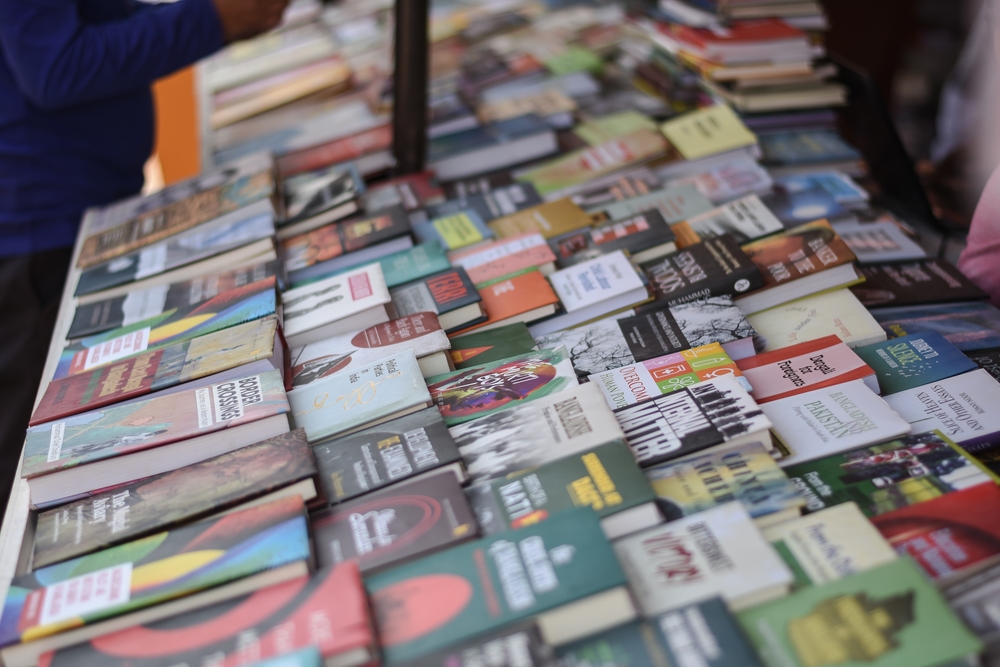
is about right. There was my non-fiction book on Israel surrounded by murder and
mayhem, a lot of blood, daggers, detectives, and…more blood. Curious. I don’t know quite what I expected – but this was an unforeseen baptism.
Mine was the only non-fiction, the vast majority of the
others were novels, with some devotional literature, and one collection of poems.
So…why write an ACW post on poetry?
To say ‘I am a poet’ risks receiving a quizzical look and inviting that gnawing sensation of the familiar imposter syndrome on steroids paying an uninvited visit. But partly, I suspect, because poetry, like opera, still suffers from a public image of
inaccessibility and/or tweeness – a little disconnected from the world. Rock bands
sell out to stadia, and plays draw thousands, but few poets attract more than 100
to a gig.
A second question – for Christian writers – is whether poetry can address the spiritual condition of people in 2025 and re-package the gospel
with a radical, appealing edge? Can a poet be a prophet?
As I write this blog, I wonder if God is calling you to pick up a pen and see if the paper catches fire?
Do you have the urge
to write poetry? Poems that are sometimes fiery, sometimes funny, or free-thinking poems exploring forgiveness, friendship, freedom, or the fallen state of man…or just men?
Poetry that wrestles with the human condition
– like the Psalms – and opens hearts to the love of God?

So, respect and power to your elbow if you’re a crime writer! You’ll often find me engrossed in an Ian Rankin Rebus novel. One way or another, whether in crime writing, historical novels, children’s literature, or devotional material, we want to impart the gospel to our readers…it’s vital
work…no more so if you are called to be a poet.
I’ll end by quoting the timeless first four lines of Holy
Sonnet XIV by John Donne, who later became Dean of St Paul’s, London, in
1615. Before you read it, I must issue a Health Warning…if you read this poem/prayer and say Amen in response, you may find yourself reaching for that poetry pen and parchment. Amen. So be it.
John Donne, 1610
Batter my heart, three person’d God; for you
As yet but knock, breathe, shine and seek to mend;
That I may rise, and stand, o’erthrow me, and bend
Your force to break, blow, burn and make me new

