
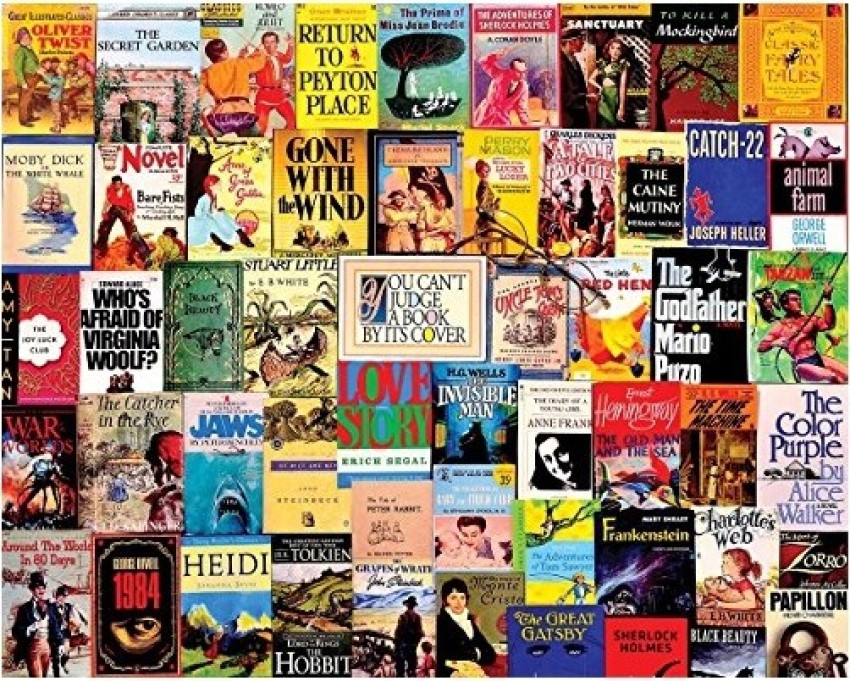
How often do you buy a book on the strength of its cover? I’m a
sucker for a line-cut image of the countryside, it will draw me to a
book, not quite despite its content, but it might come close. On the
other hand, give me a pink, chick-lit style cover and I will assume
the book isn’t for me.
My book club get our books from the library, usually from a list we
submit, but sometimes if none of these are available, then from their
recommendations. If the book I receive looks unappealing, not to my
taste, the opening chapter is going to have to be really good because
it’s starting with a massive disadvantage. Like starting a 100m
race 20m behind the blocks.
I’ve been researching the market recently, checking out what’s
new in my area of writing and searching for up-to-date comps. The
comparison titles that agents and publishers so love. They show that
you know where your story would be positioned, they act as a
shorthand for someone reading your pitch – they know what to
expect.
But choosing the right comps can be a tricky task. They need to be
relevant, recent, known but not so widely known that anyone could
claim them whether they know the sector or not. No matter how many
wizards there are in your story, don’t compare it to Harry Potter!
And much as a good bookshop browse can eliminate many options, others
need to be read. Carefully read. I’ve been caught out before,
rushing to choose a comp on the basis of the blurb and first couple
of chapters, only to discover that it takes a very different turn
midway through the story.

Hence the pile of teen/young adult (YA) books on my floor, waiting to
be read.
But can I rule out a possible comp on the basis of its cover?
A book cover is designed to represent the contents of the book; to
attract the sort of people who would enjoy the text itself. It’s a
shorthand, a clue to the book, in the same way as comps are. In fact,
covers often include comparison titles, or quotes from the authors of
similar books.
But I write YA stories, and to be honest YA books rarely have covers
that appeal to me. Why should they? I’m not the target audience. I
could imagine a designer producing a pink, diary-style cover for one
of my stories, and I could see it working as a calling-card for that
book, even though I would never pick up a book like that myself (and
I do like YA books, even the ones I write!).
So maybe I need to be a bit more open-minded about the books I
browse, less dismissive of the primary-coloured covers I usually
avoid. Which means I will have to spend even longer in the bookshop.
Not all bad then!
We know the inside matters more. The inside of a book, the inside of
a person. Those of us who self-publish take care to produce a cover
that entices and is a fair representation of the book itself.
What about ourselves? Does the way we dress, the care we take over
our appearance, the way we walk and talk and greet people, are those
things a fair representation of who we are? Of our personality and of
our God-trusting, forgiven souls?


